
United Launch Alliance's Vulcan Rocket Set for Return to Flight with Full Booster Load on November 13
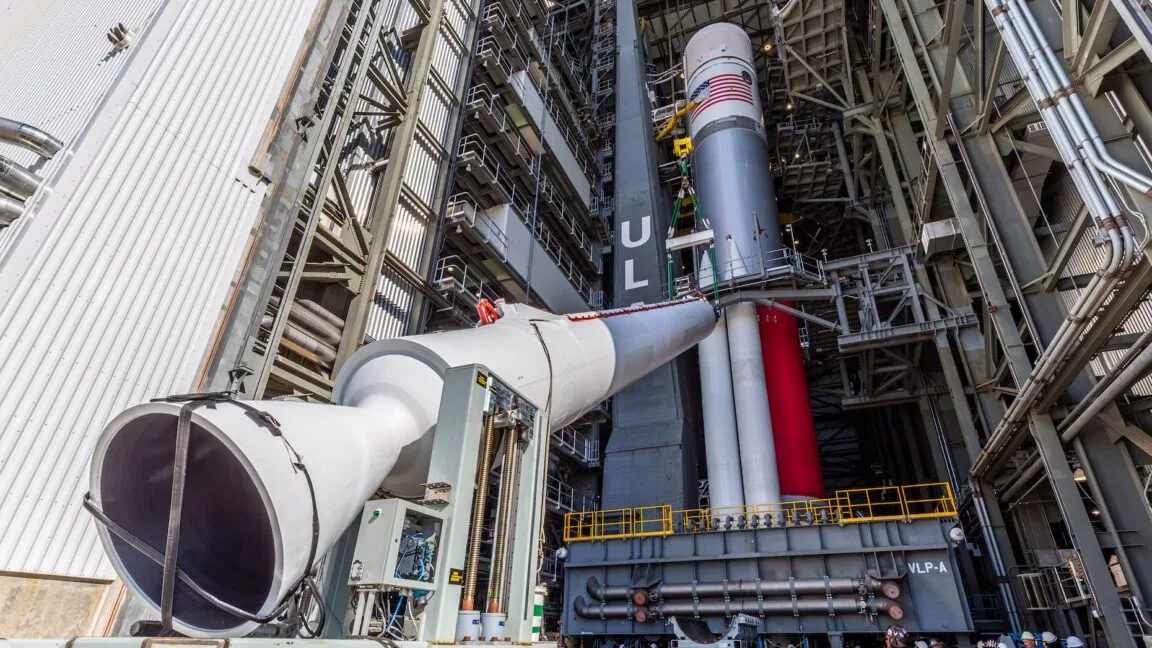
Image: Ars Technica · Source
After nine months grounded due to solid rocket booster issues, ULA's Vulcan rocket will relaunch on November 13 carrying 40 Amazon Leo satellites, marking the rocket's first flight with six solid rocket boosters.
United Launch Alliance (ULA) has announced plans to resume flights of its Vulcan launch vehicle on November 13, nine months after a solid rocket booster anomaly led to the rocket’s grounding and disrupted its 2026 launch schedule. This upcoming mission will carry 40 broadband satellites for Amazon's Leo constellation—the first of 38 launches Amazon has contracted with ULA for deploying the bulk of its network. The launch will take place from Cape Canaveral Space Force Station in Florida, pending final range approval.
The Vulcan rocket's return is crucial for ULA following two prior booster nozzle failures among its first four missions, most recently during a February launch. Although both incidents did not prevent the missions from completing successfully, confidence from the US Space Force, ULA’s primary customer, was shaken. The Space Force, which certified Vulcan for national security missions in 2025 and initially entrusted it with nearly half of its major launches through the early 2030s, is now closely monitoring the return-to-flight mission to ensure reliability.
Engineers have reportedly made significant progress in diagnosing the February anomaly. ULA stated that multiple potential contributors to the nozzle failure have been identified and mitigated through design enhancements and process improvements. This flight will employ the improved nozzle design, with ongoing testing and analysis continuing alongside the mission. ULA and Northrop Grumman, the solid rocket booster manufacturer, have yet to publicly disclose the root cause of the malfunction, although an investigation attributed the first incident in 2024 to a manufacturing defect in an insulative component protecting the nozzle from high-temperature exhaust.
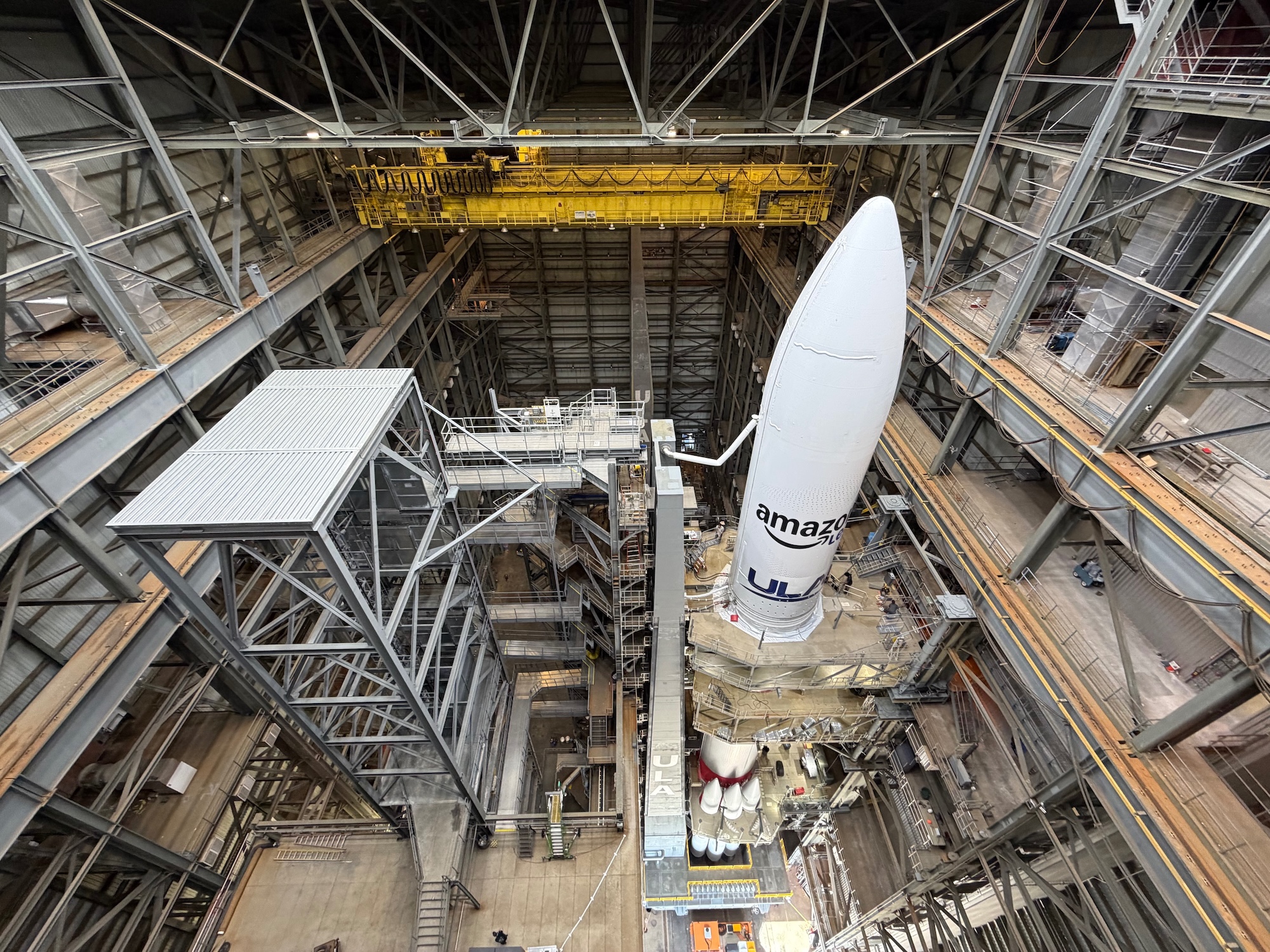
The November launch will also mark the inaugural use of the Vulcan rocket sporting a full set of six solid rocket boosters. Additionally, it will debut an extended payload fairing designed to accommodate Amazon’s satellite stacking requirements and a shortened Centaur upper stage optimized for low-Earth orbit deployments.
Due to delays with the Vulcan rocket, the US Space Force has reallocated several missions initially assigned to ULA onto SpaceX's Falcon 9 and Falcon Heavy rockets to maintain launch cadence. Conversely, ULA has taken on some missions originally slated for SpaceX, reflecting a cooperative flexibility between the two commercial providers. Despite these swaps, the overall number of military missions contracted to each provider remains unchanged.
Brigadier General Eric Zarybnisky, the Space Systems Command’s chief rocket acquisition official, emphasized that the military’s decision to fully reinstate Vulcan for national security launches will depend on data derived from commercial flights, including upcoming Amazon Leo missions. If successful, Vulcan is expected to resume its role as a key launch vehicle for both commercial and defense satellite deployments in the coming years.

Sources and original reporting
Read the original source ↗
Comments (0)
No comments yet. Start the discussion.
Write a comment
Comments are published after moderation. Your name and comment will be visible publicly. Account