
Pentagon Warns Against Insider Bets on Military Outcomes, Citing Security Risks
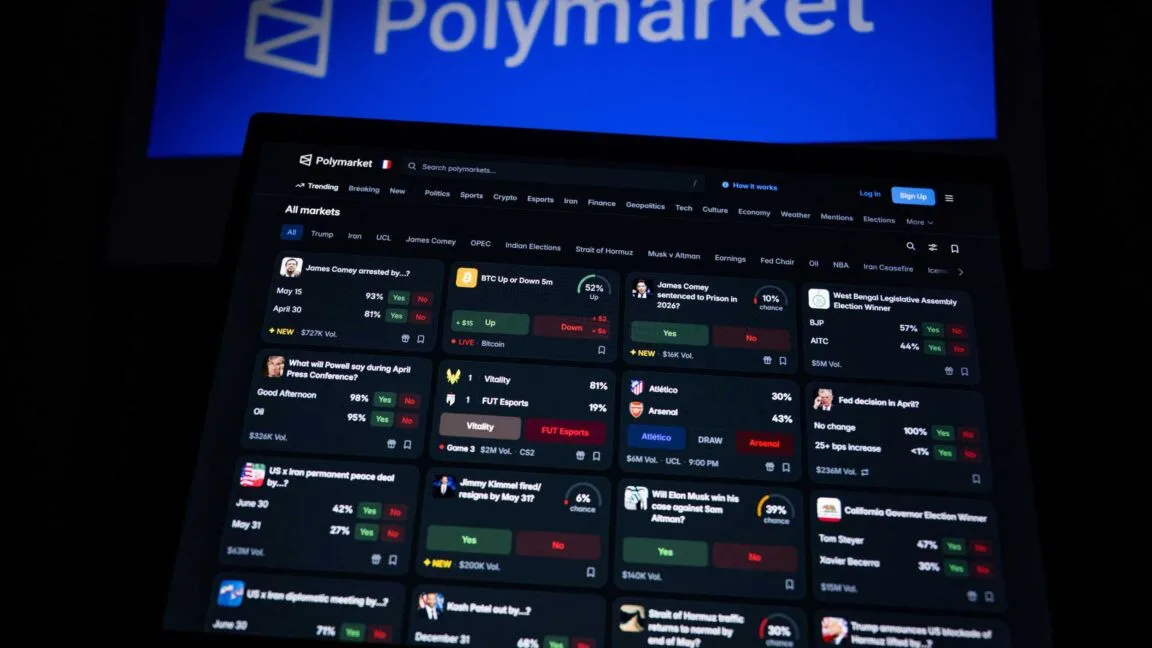
Image: Ars Technica · Source
Defense Secretary Pete Hegseth warns that using nonpublic information for prediction market bets endangers troops and enables hostile intelligence gathering.
The Pentagon has taken a strong stance against military and defense personnel using inside information for financial gain through prediction markets. Defense Secretary Pete Hegseth issued a memo on October 20, 2026, warning that such betting activities create signals that adversaries can exploit to anticipate U.S. military operations. The memo, addressed to senior Pentagon leadership and commanders, emphasizes that insider trading on military outcomes not only threatens operational security but also puts the lives of service members at risk.
According to Hegseth, financial transactions based on nonpublic, classified or unclassified information—whether conducted directly or through third parties—are strictly prohibited. Violations can lead to administrative, disciplinary, or criminal actions under military law or federal statutes. The memo also highlights that betting on military matters relevant to one's role might warp judgment, potentially affecting decisions and compromising mission integrity.
This directive comes in the wake of multiple incidents involving suspicious betting behavior. In April, a U.S. Army soldier was arrested for allegedly using confidential information to win approximately $410,000 on Polymarket bets predicting the capture date of Venezuelan President Nicolás Maduro. Separately, a report from the Anti-Corruption Data Collective identified 152 questionable wallets that collectively won about $8 million by placing longshot bets on military and defense-related prediction markets.
Policymakers also recall prior warnings issued during the Trump administration, such as when new accounts on Polymarket profited from well-timed bets on a U.S.-Iran ceasefire announcement. Additionally, a teleprompter aide reportedly earned $100,000 on Kalshi by betting on presidential remarks. Both Kalshi and Polymarket have rules against insider trading, but the Pentagon stresses that legal consequences present a stronger deterrent.
The emergence of prediction markets in defense contexts poses complex regulatory challenges. The Trump administration had favored a light regulatory touch, resisting state-level restrictions by leaning on Commodity Futures Trading Commission jurisdiction; however, states continue seeking authority to regulate these markets. With the stakes high in terms of national security and troop safety, the Pentagon’s message is unambiguous: protecting operational secrecy takes precedence over personal financial gain.

Sources and original reporting
Read the original source ↗
Comments (0)
No comments yet. Start the discussion.
Write a comment
Comments are published after moderation. Your name and comment will be visible publicly. Account