
Ukraine Adapts Military Tech to Reduce Reliance on Starlink Amid Service Disruptions
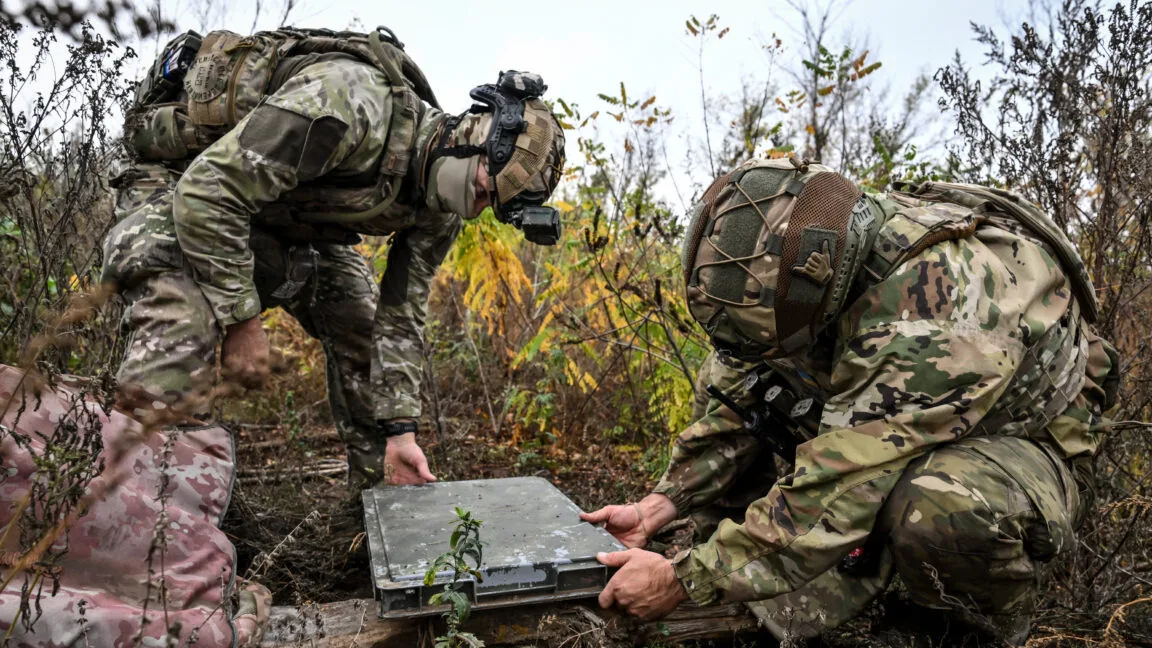
Image: Ars Technica · Source
Facing unpredictable Starlink satellite service throttling, Ukraine’s military and defense firms are developing alternatives and backup systems to maintain drone and battlefield communication capabilities.
Elon Musk’s Starlink satellite network has been a critical communications backbone for Ukraine’s military, supporting both civilian and combat operations since Russia’s full-scale invasion began. By providing high-speed internet access in conflict zones via compact terminals, Starlink has enabled remote control and guidance of drones and unmanned vehicles essential for reconnaissance and strikes against Russian forces. Supported by substantial funding from the US and European nations, thousands of Starlink terminals have been deployed across Ukraine, including integration with drones and ground robots operating even in contested areas like the Black Sea.
However, Starlink’s importance has been complicated by political and operational issues tied to SpaceX’s leadership. Since early 2023, there have been moves by SpaceX and Musk to restrict Starlink usage for certain military applications such as long-range drone strikes. The situation escalated in October 2026 when Starlink imposed speed-based throttling on terminals in Ukraine, reportedly at Musk’s direction. This severely limited service stability for military vehicles and drones moving faster than approximately 99 miles per hour, adversely impacting missions including frontline reconnaissance, supplies, mid-range attacks, and air defense against Russian drones. These disruptions coincided with intensified Russian attacks on Ukraine’s infrastructure.
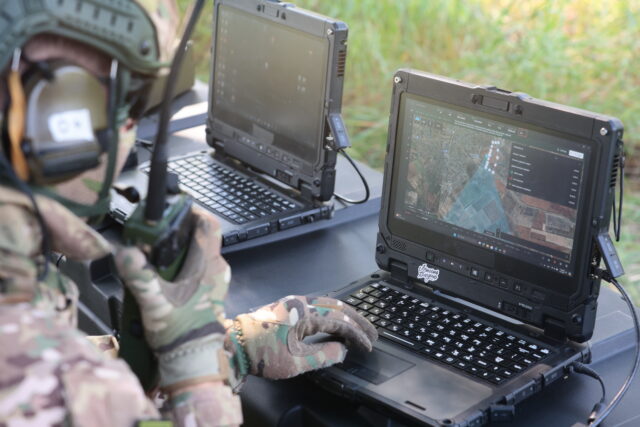
In response, Ukrainian defense companies like BlueBird Tech and Buntar Aerospace have accelerated efforts to reduce dependence on Starlink by developing systems that operate on alternative communications methods or maintain functionality without continuous satellite connectivity. BlueBird Tech integrates Starlink in some products but deliberately avoids reliance on it as a sole communications link due to risks of jamming and service cuts. They deploy physical tethered drones using fiber optics and explore LTE/5G wireless networks, laser communication, and radio mesh networks to maintain operations in contested environments.
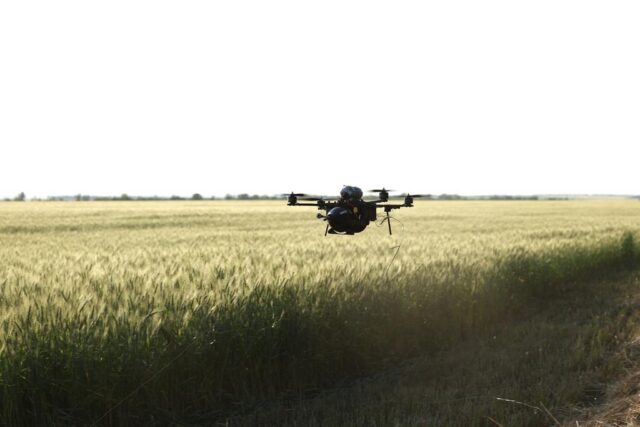
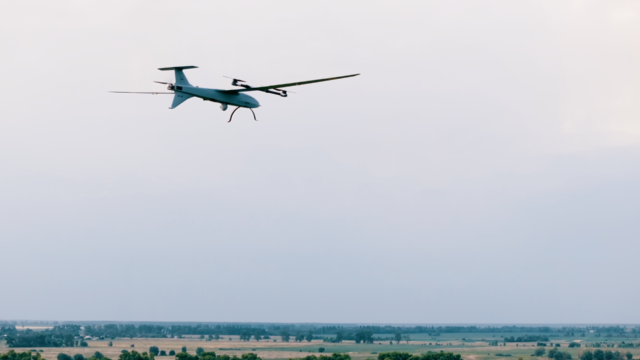
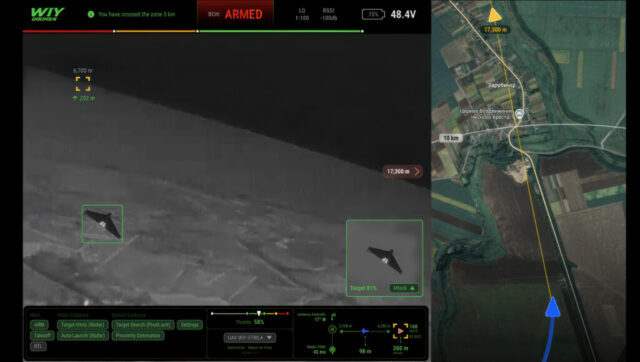
Buntar Aerospace uses AI-driven flight management in their fixed-wing reconnaissance drones, ensuring that interrupted satellite links do not halt missions. Their approach involves transmitting data over separate channels and integrating multiple communication pathways alongside Starlink terminals. Similarly, German firms like Quantum Systems have provided drones that communicate via encrypted radio links and incorporate AI and alternative navigation methods to operate despite GPS and electronic warfare challenges. The German government plans to supply tens of thousands of such interceptor drones to Ukraine.
While Starlink remains unparalleled in coverage, cost, and usability, European efforts are underway to establish sovereign satellite constellations like the EU’s IRIS² and Germany’s SATCOMBw 4 to provide regional alternatives. Countries including Finland have announced joint initiatives to build low Earth orbit networks from 2028 onward. Yet, these future systems face similar vulnerabilities to jamming and disruption.
The evolving situation underscores the need for communications resilience and diversification in modern warfare. Ukrainian forces continue to adapt by integrating redundant systems and reducing dependence on any single satellite service. This strategic shift aims to ensure operational autonomy despite the unpredictable political and technical challenges posed by relying heavily on commercial satellite networks like Starlink."

Sources and original reporting
Read the original source ↗
Comments (0)
No comments yet. Start the discussion.
Write a comment
Comments are published after moderation. Your name and comment will be visible publicly. Account