
Elon Musk Reportedly Ordered Starlink Speed Restrictions in Ukraine, Not Trump
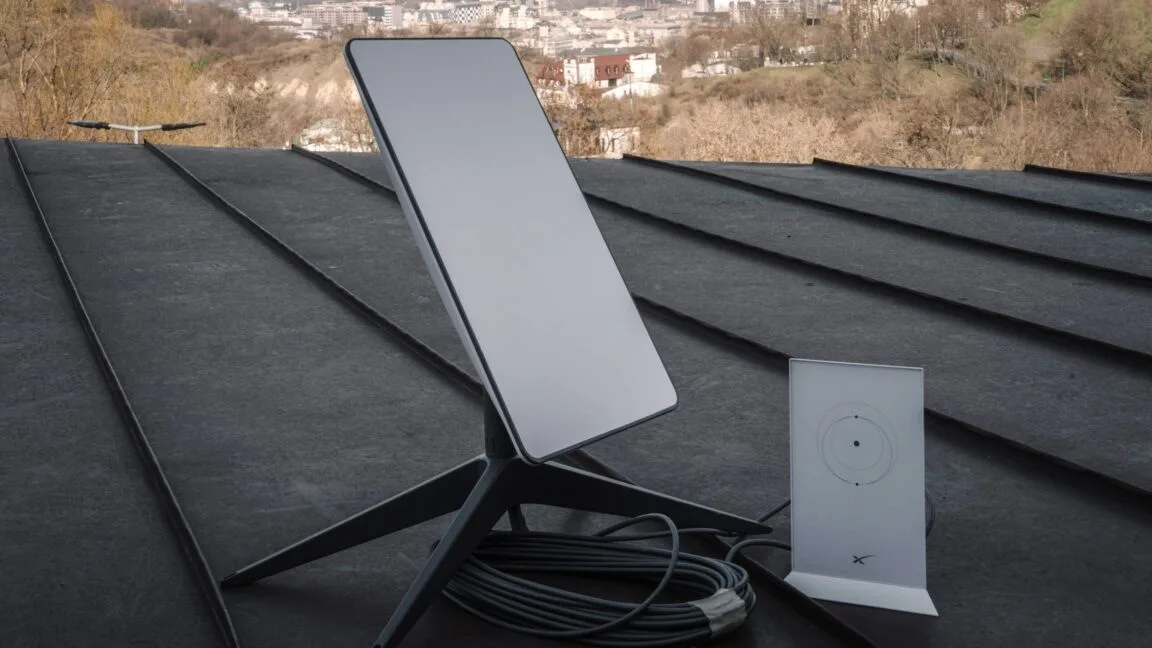
Image: Ars Technica · Source
According to a Wall Street Journal report, Elon Musk personally directed a slowdown of Starlink's military-grade Starshield service used by Ukraine, a move initially blamed on Donald Trump, who denies involvement.
Recent reports reveal that Elon Musk, CEO of SpaceX, ordered a reduction in the operating speed of Starlink's military-grade service, Starshield, used by Ukrainian forces. This speed cap notably affected drone operations, potentially compromising Ukraine's defensive and offensive capabilities. Initial confusion saw blame directed at former President Donald Trump, who has denied involvement, stating he learned of the restrictions through media reports.
According to the Wall Street Journal, Musk imposed a limit cutting off Internet data connections for Starshield terminals moving faster than 160 kilometers per hour (about 100 mph), a common speed for Ukrainian military drones. This limitation forced drones to fly slower and made them more vulnerable to Russian attacks, hampering Ukraine's air operations. The decision reportedly came after Musk and Trump criticized Ukraine's assaults on Russian fuel refineries, although Trump denied ordering any slowdown.
Although Musk claimed that Starshield systems are owned and controlled by the U.S. government and any usage limits are decided by the military and President Trump, multiple sources cited by the Wall Street Journal suggest Musk made the final call after discussions with senior administration officials. CBS News also reported Musk engaged in multiple talks with government representatives seeking clarity on presidential stances before the decision.
The situation created confusion and pushback from Ukrainian officials, who use both Starlink commercial and the Starshield military service. Ukraine expressed that the imposed restrictions affected Starshield capabilities. President Volodymyr Zelenskyy acknowledged ongoing limitations, stating that equipment stops functioning effectively at certain speeds along the front lines. His office noted ongoing discussions with U.S. officials, including Secretary of State Marco Rubio, to restore full Starlink/Starshield services.
U.S. government sources have attempted to distance presidential involvement from operational decisions, with Rubio emphasizing that Starlink and Starshield are private company services managed independently of presidential directives. The White House maintains that it did not slow down Starlink services.
SpaceX first shipped Starlink terminals to Ukraine in early 2022 to help maintain broadband connectivity disrupted by the Russian invasion. While SpaceX blocked the use of Starlink commercial services for offensive drone operations previously, it later secured Pentagon contracts to expand Ukraine's access to its military-focused Starshield network in 2024. Despite this, official public details about Starshield's operational status and usage in Ukraine remain limited.
This incident highlights the complex dynamics involved in the control and use of private-sector satellite communication technology in international conflict zones, raising questions about oversight, coordination between private companies and governments, and the impact of such controls on military operations in Ukraine.


Sources and original reporting
Read the original source ↗
Comments (0)
No comments yet. Start the discussion.
Write a comment
Comments are published after moderation. Your name and comment will be visible publicly. Account