
Endurance Energy Demonstrates First Underwater Geothermal Power Plant Near Deep Pacific Volcano
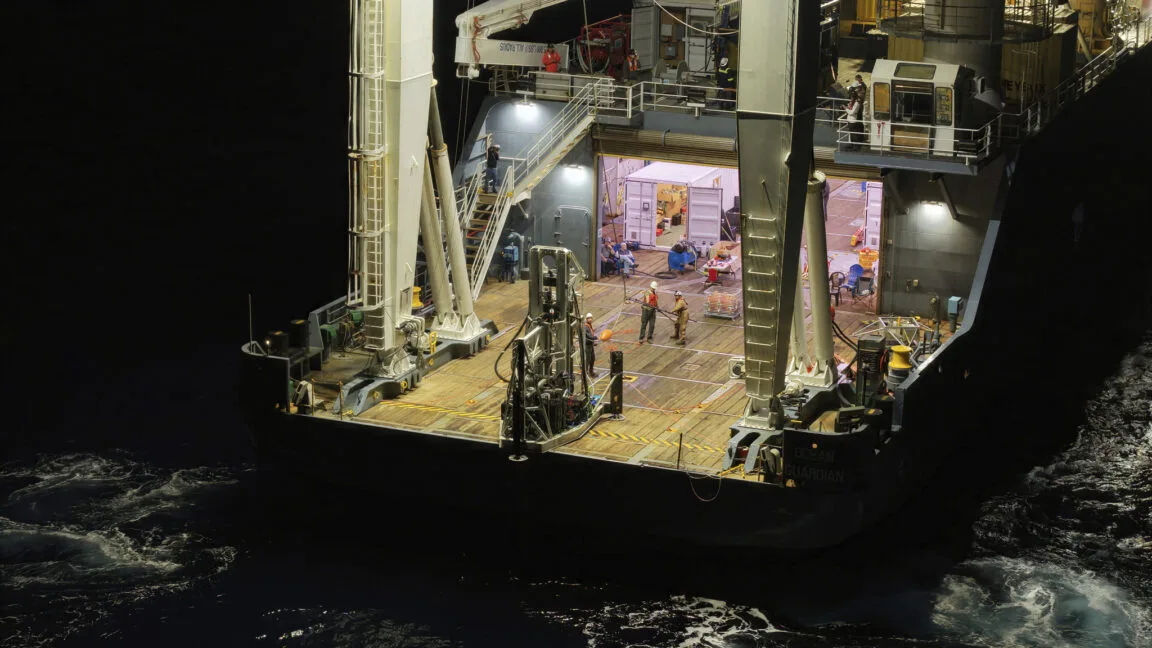
Image: Ars Technica · Source
Seattle startup Endurance Energy completed the world's inaugural subsea geothermal power plant test near the Axial Seamount underwater volcano, achieving a brief net-positive electricity output and proving technical feasibility for future renewable energy in Pacific island nations.
In a pioneering achievement for renewable energy, Endurance Energy, a Seattle-based startup, conducted the first-ever demonstration of a subsea geothermal power plant near an active underwater volcano nearly a mile beneath the Pacific Ocean's surface. The three-week test in September 2026 at the Axial Seamount in the northeast Pacific generated net-positive electricity for a brief period, marking a key proof-of-concept for tapping geothermal resources underwater.
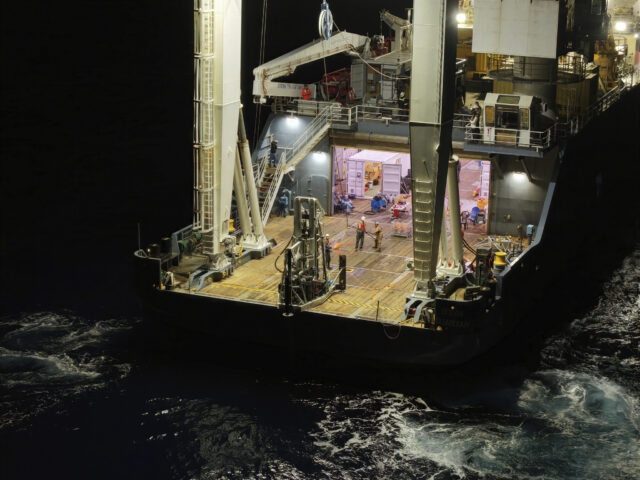
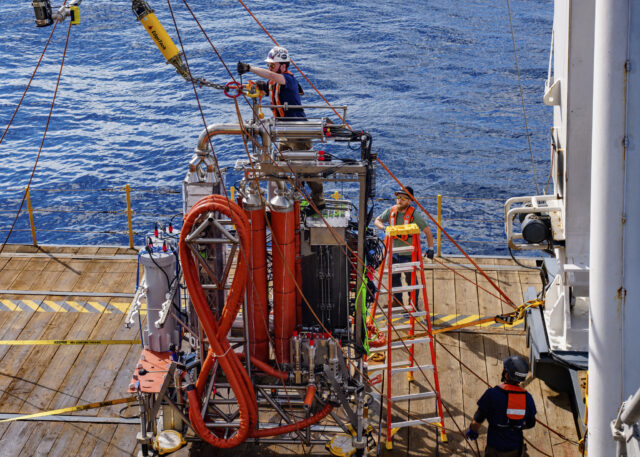
The prototype power plant, named Adélie, weighed three tons and was deployed to depths of approximately 5,000 feet (1,524 meters). It operated by vaporizing hot hydrothermal fluid drawn from drilled wells in the seafloor to drive a turbine and generate electricity. Despite the power plant producing net power for just under 9 seconds—surpassing the energy needed to operate itself—the team considers this a crucial milestone demonstrating subsea geothermal viability.
Drilling two narrow wells approximately 52 feet (16 meters) deep in the seafloor presented significant challenges, including limited fluid flow insufficient for steady power production. Endurance Energy plans to address this by drilling deeper wells up to 260 feet (80 meters) to increase hydrothermal fluid volume. The company used remotely operated submersible vehicles and connected Adélie to the Regional Cabled Array, a 900-kilometer undersea fiber-optic and power network, enabling real-time monitoring and control from its Seattle command center.
Technical issues, including a software-triggered shutdown linked to battery module readings and a seawater-induced cable short circuit, curtailed power generation efforts during the test. However, these problems provided valuable insights for improving subsea equipment reliability and cable construction.
Respecting environmental concerns, Endurance Energy conducted the operation at a minimally disruptive site and continuously monitored local marine ecosystems, confirming negligible impacts on tubeworms, snails, crabs, and bacterial mats. Independent scientific analyses corroborated these findings.
Looking ahead, the company plans a winter 2026–2027 trial featuring an upgraded version of the power plant, dubbed Gentoo, with aims for sustained, higher power output. Endurance Energy is also developing a 2-megawatt commercial generator about the size of a shipping container, targeting deployment of up to six units offshore Tonga in 2027. The Kingdom of Tonga currently relies heavily on imported diesel fuel, which has become prohibitively expensive, making subsea geothermal energy an attractive alternative.
While subsea geothermal power currently involves higher costs than onshore geothermal, Endurance Energy aims to demonstrate cost competitiveness over time, especially for island nations and regions with abundant offshore geothermal resources such as the Pacific Northwest, Alaska, Taiwan, and Japan. The ability to deliver consistent, weather-independent power could make this approach a valuable addition to the renewable energy mix.
Endurance Energy CEO Andrew Redd emphasized that the deep ocean offers unlimited cold seawater for efficient cooling and natural pressure advantages, enabling more compact power plants. This project opens a new frontier in renewable energy research and could significantly impact energy independence for Pacific Rim nations and other remote regions reliant on imported fossil fuels.

Sources and original reporting
Read the original source ↗
Comments (0)
No comments yet. Start the discussion.
Write a comment
Comments are published after moderation. Your name and comment will be visible publicly. Account