
FBI Arrests OpenAI Engineer for Alleged Espionage Using Hidden Recording Device
Image: Ars Technica · Source
An OpenAI engineer was arrested for allegedly planting a concealed recording device in a secure executive meeting room, aiming to spy on sensitive company discussions and threaten national security, according to the FBI.
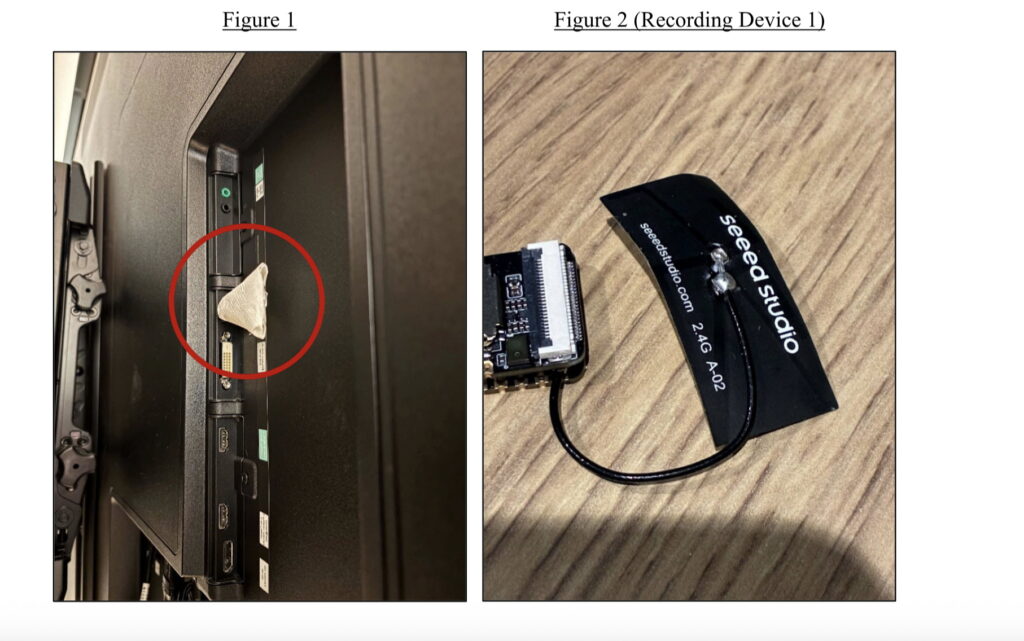
OpenAI recently discovered a concealed recording device disguised within toilet paper inside a restricted executive conference room, prompting a federal investigation that led to the arrest of an engineer accused of espionage. The device was found in a room designated for confidential leadership meetings addressing technical advancements, government relations, and commercial partnerships, accessible only to personnel with special clearance.
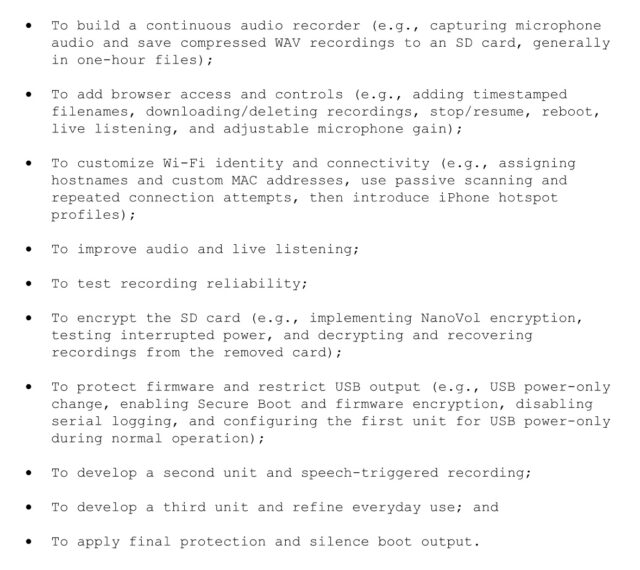
The FBI identified Abdulrahman Alfozan, a 35-year-old Saudi-born engineer and permanent U.S. resident since 2020, as the suspect. He had been employed by OpenAI for more than a year. The bureau alleged that Alfozan planted the device – a customized Chinese-made Seeed XIAO ESP32-S3 Sense USB unit wrapped in toilet paper and plugged into a conference room television – on September 28. OpenAI discovered it two days later and found its contents encrypted.
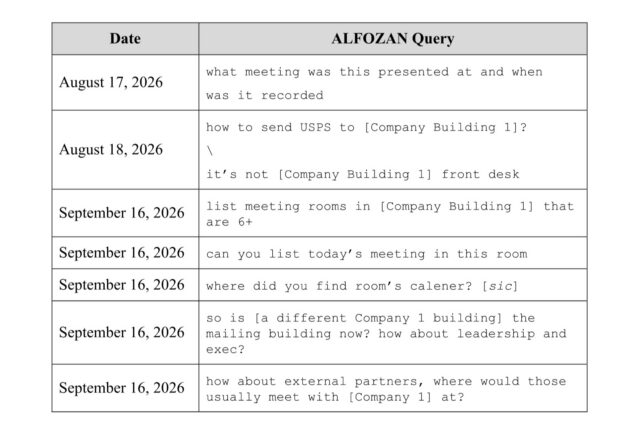
Additional inquiries revealed Alfozan’s suspicious activities prior to discovery. In August, he reportedly used an internal productivity AI agent to pinpoint the timing and locations of sensitive meetings. FBI analysis found that Alfozan and an associated AI chatbot account linked to his spouse conducted extensive research on configuring the recording device for continuous, speech-activated audio capture, encryption, and remote access.
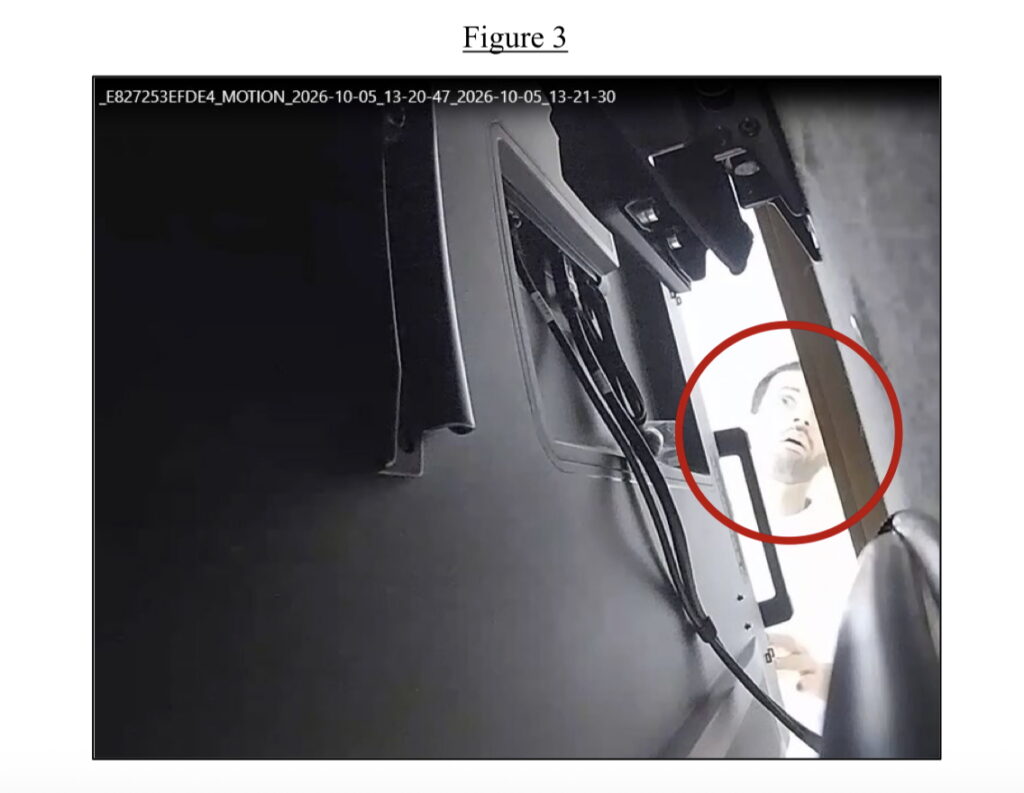
On October 5, after OpenAI installed CCTV in the conference room, footage captured Alfozan attempting to retrieve the device. Furthermore, a second similar recording device was found in a bag Alfozan reported lost in a printer room. Despite complaints about missing items from this bag, the second device was not mentioned by him.
OpenAI cooperated with the FBI throughout the investigation, gradually restricting Alfozan’s access until his termination coincided with his arrest. If convicted of unlawful recording and related charges, Alfozan faces up to five years in prison and fines up to $250,000.
FBI Director Kash Patel emphasized the priority of safeguarding America’s technological edge in AI as part of national security efforts. Meanwhile, U.S. Attorney Craig Missakian pledged continued vigilance in protecting Silicon Valley’s innovation hub from similar threats.
This incident underscores the vulnerabilities tech firms face in protecting sensitive AI developments and the critical role of counterintelligence in the rapidly evolving artificial intelligence sector.

Sources and original reporting
Read the original source ↗
Comments (0)
No comments yet. Start the discussion.
Write a comment
Comments are published after moderation. Your name and comment will be visible publicly. Account