
New Study Reveals Structured Brain Activity Under Psilocybin Amid 'Chaotic' Psychedelic Effects
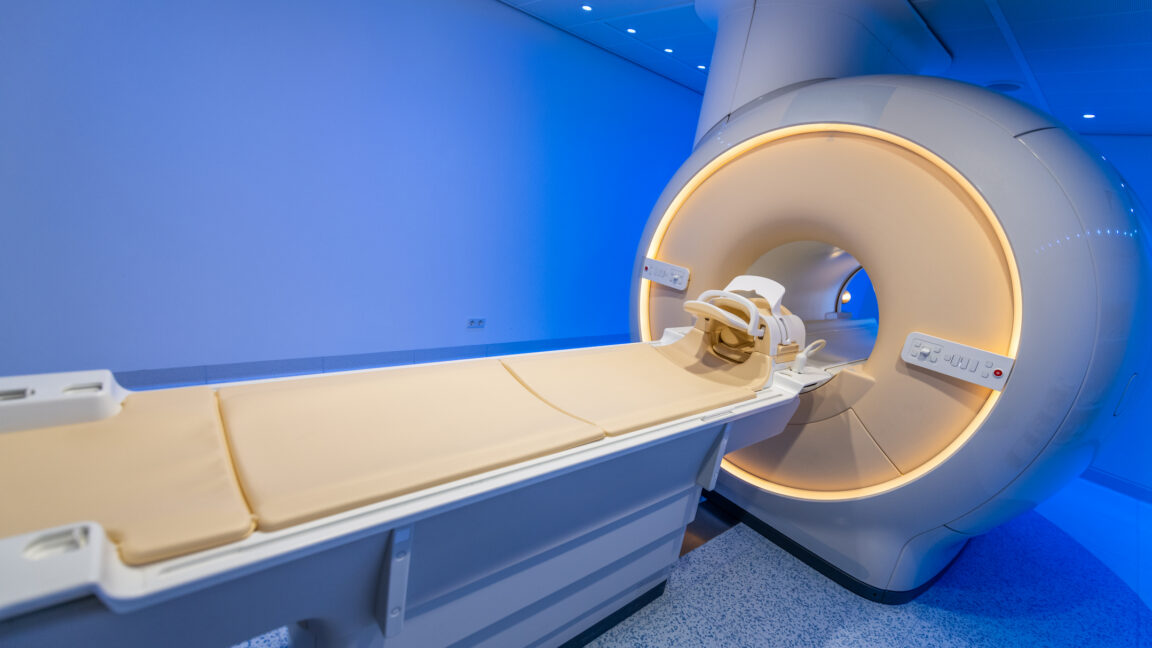
Image: Ars Technica · Source
Research involving psilocybin reveals the brain’s apparent chaotic activity during psychedelic experiences actually follows organized patterns linked to meaningful psychological effects.
For years, the dominant view in neuroscience has been that psychedelics cause chaotic brain activity, disrupting usual networks responsible for vision, attention, and self-perception. However, a recent study led by neuroscientist Devon Stoliker from Monash University offers a surprising revision to this understanding. Published in Nature, the research shows that beneath the apparent chaos induced by psilocybin—a psychedelic compound found in certain mushrooms—there exists a hidden, orderly structure in brain activity that corresponds closely with participants’ profound subjective experiences.
The study involved 62 participants who had never used psychedelics before. Each underwent two sessions inside an MRI scanner: once sober and once about 80 minutes after taking 19 milligrams of psilocybin. The researchers employed a four-part experimental sequence—resting, guided meditation, curated music listening, and watching video of clouds—to explore how brain activity varied across different contexts in a naturalistic, uninterrupted psychedelic state. EEG recordings were taken later to corroborate findings.
Consistent with prior research, the team observed a breakdown of the brain's typical modular structure: connectivity within specialized networks weakened while connections between networks increased. Intriguingly, sensory and associative brain regions reshuffled dominance, suggesting imagination and internal associations gained influence over processing sensory inputs. This potentially explains why participants reported vivid, meaningful imagery and mystical-type experiences.
Crucially, the researchers avoided standard averaging methods over time and across participants, which can obscure transient ordered patterns. Instead, they applied an AI tool called CEBRA to analyze moment-by-moment brain activity individually. This revealed distinct trajectories that matched the experimental contexts during the psychedelic state, indicating organized neural activity rather than random chaos.
Moreover, reduced differentiation between brain activity with eyes open versus closed under psilocybin suggested a blurring boundary between internal experiences and external reality, linking to participants’ accounts of feeling “one with the world.” The default mode network, associated with self-referential thought, and the visual network were key contributors to this effect.
Participants rated many positive psychological changes the day after the session, including enhanced connection to self and others, peace, and creativity. The brain activity patterns corresponded with the intensity of these changes, offering potential neural markers for therapeutic outcomes.
While these findings highlight a sophisticated brain reorganization during psychedelics that supports meaningful experiences, the study focused on healthy volunteers. Future work is needed to understand how to optimize environmental factors like music and setting to enhance treatment efficacy in clinical populations. Nonetheless, the discovery of hidden order beneath psychedelic brain activity challenges prior assumptions and opens new avenues for therapy development.

Sources and original reporting
Read the original source ↗
Comments (0)
No comments yet. Start the discussion.
Write a comment
Comments are published after moderation. Your name and comment will be visible publicly. Account