
Texas City Demands $2.3 Million Fee for Public Records on Police Use of Flock Surveillance Cameras
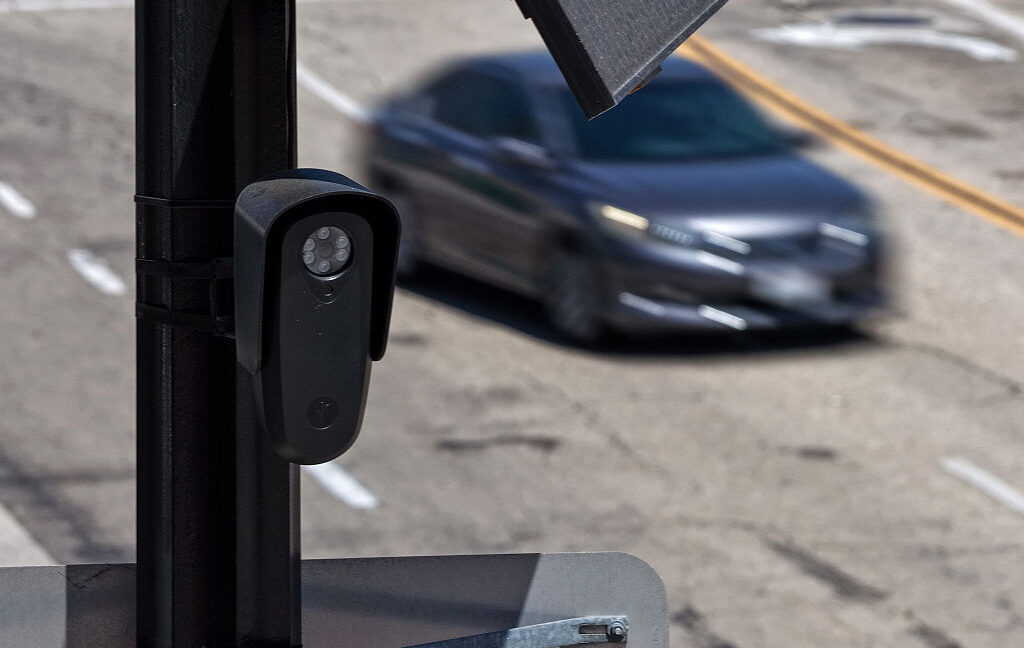
Image: Ars Technica · Source
A Texas suburb's $2.3 million fee demand for Flock surveillance data highlights growing backlash over police use of AI-based license plate readers and transparency barriers.
In North Richland Hills, a suburb of Fort Worth, Texas, officials have set a staggering $2.3 million fee to fulfill a public records request concerning local law enforcement’s use of Flock Safety’s automated license plate readers (ALPRs). The request, filed by privacy advocacy group the Texas Privacy Coalition using a pseudonym, focused on communications related to errors, misuse, and the effectiveness of Flock camera systems. City officials justified the high charge by citing the need for roughly 14 years of labor at $15 per hour to search approximately one terabyte of relevant data.
This exorbitant fee is part of a wider trend across the United States, where jurisdictions appear to be raising costs or outright denying access to records on Flock and similar surveillance technology. While some cities have provided thousands of pages of Flock-related documents for free, others have demanded thousands or even over $100,000, with this Texas example setting a record price.
Transparency advocates argue these high fees and refusals hinder public understanding of police surveillance practices. Misuse of Flock cameras by officers—ranging from stalking individuals illegally to triggering wrongful arrests—has fueled demands for increased oversight. Notably, an ex-Texas officer pled guilty to felony charges linked to abusing Flock data, a case that also prompted the state’s governor to halt funding and permits for Flock systems.
Legal scrutiny is intensifying as well. A recent federal court ruling in Oklahoma declared unconstitutional a warrantless search of a Flock database, describing the system as a mass surveillance network that should require warrants. This ruling, while not precedent-setting, challenges prior court decisions that permitted warrantless access to Flock data.
Flock Safety markets its ALPR systems as public safety tools and offers law enforcement agencies optional transparency portals that publish statistics like camera counts and usage data. However, these portals are underutilized; in Texas, only a fraction of agencies using Flock opt into public data sharing.
Privacy experts caution that without stronger legal and policy safeguards, Flock’s expanding network of AI-enhanced license plate readers risks perpetuating privacy violations. The lack of consistent transparency means the public remains largely unaware of who is accessing surveillance data, how often, and for what purposes. As AI advances, concerns grow that these systems may increasingly automate intrusive tracking and profiling, potentially enabling law enforcement to act on arbitrary or biased alerts.
The North Richland Hills fee demand exemplifies the challenges facing journalists and advocates striving to hold surveillance technologies accountable amid growing resistance from public agencies. The episode underscores the ongoing tension between public interest in transparency and governmental control over surveillance information.

Sources and original reporting
Read the original source ↗
Comments (0)
No comments yet. Start the discussion.
Write a comment
Comments are published after moderation. Your name and comment will be visible publicly. Account