
NVIDIA-Backed AI Startups Innovate Breast Cancer Screening and Treatment

Several startups in NVIDIA's Inception program are leveraging AI to improve breast cancer care, from faster, standardized imaging to treatment outcome prediction and 3D tumor modeling, addressing critical gaps in screening access, diagnosis, and therapy planning.
Breast cancer remains the most diagnosed cancer among American women, yet significant obstacles exist in delivering timely and effective care. Many women over 40 forgo recommended annual screenings; meanwhile, a shortage of radiologists strains the system's capacity to interpret the approximately 40 million U.S. mammograms conducted yearly. Furthermore, genomic tests that guide treatment can take weeks to process, delaying critical decisions. To help close these gaps, startups in NVIDIA's Inception program are developing AI-driven solutions targeting multiple stages of breast cancer care, from imaging and risk assessment to treatment planning.
iSono Health has created the FDA-cleared ATUSA platform, a wearable automated 3D ultrasound device that captures breast scans in about two minutes per breast—significantly faster than traditional handheld ultrasounds which may take up to 45 minutes. The platform’s AI, trained on millions of ultrasound frames and powered by NVIDIA GPUs, provides standardized imaging that is 28% more sensitive than conventional methods. By generating consistent scans, it enables clinicians to track tissue changes over time while reducing operator variability. ATUSA is currently available through partner clinics in several U.S. states, with ongoing clinical studies at institutions like UC Davis and Vanderbilt University Medical Center to further validate its effectiveness.
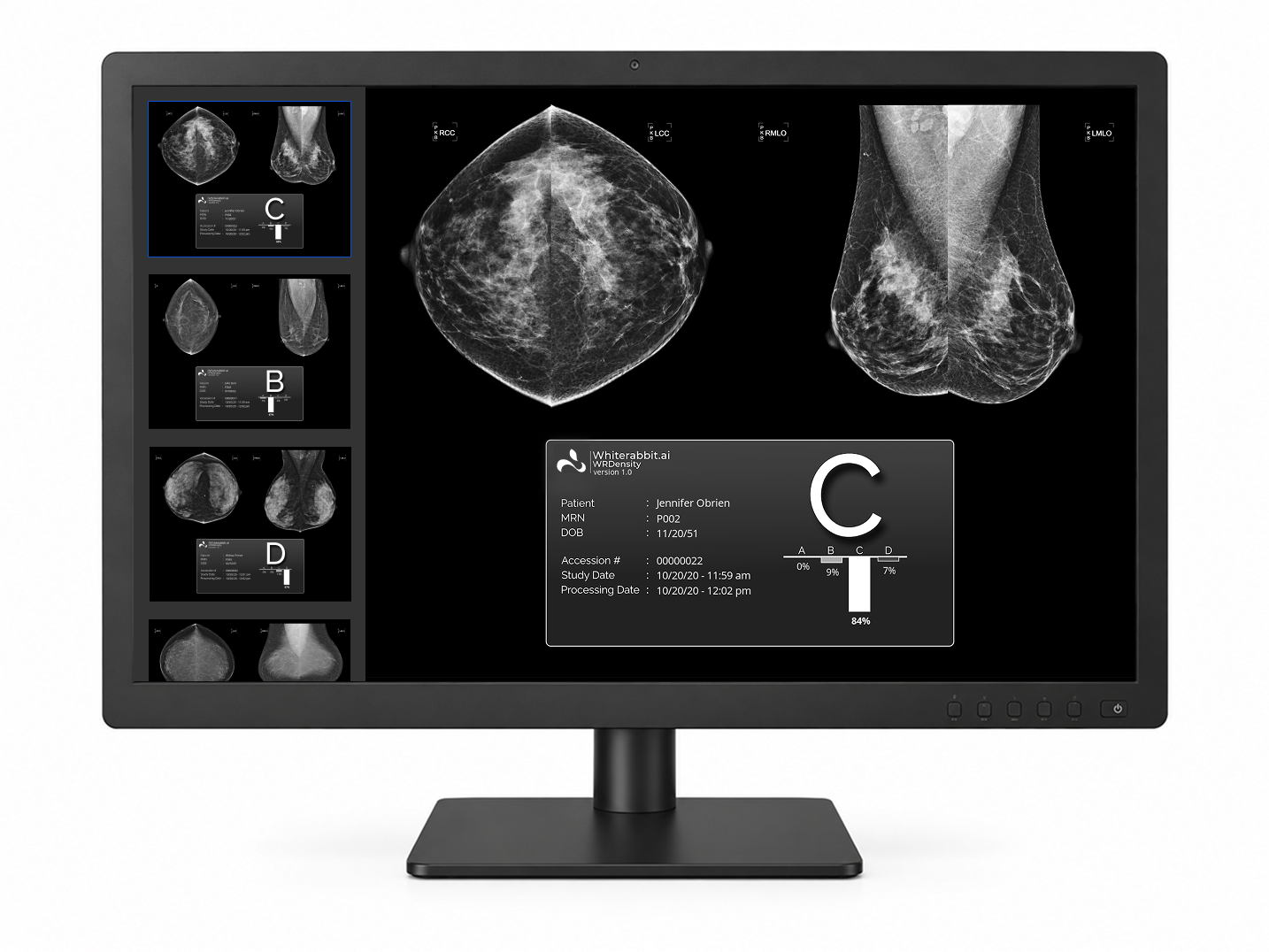
Whiterabbit.ai offers AI tools including the FDA-cleared WRDensity software to automatically assess breast density from mammograms and WRRisk to estimate long-term breast cancer risk. The company is developing AI models to help radiologists detect cancers more accurately and automate screening of negative mammograms, aiming to reduce clinical workloads, speed up results, and minimize patient callbacks. Their AI runs on NVIDIA GPUs both locally in clinics and remotely, leveraging cloud capacity.
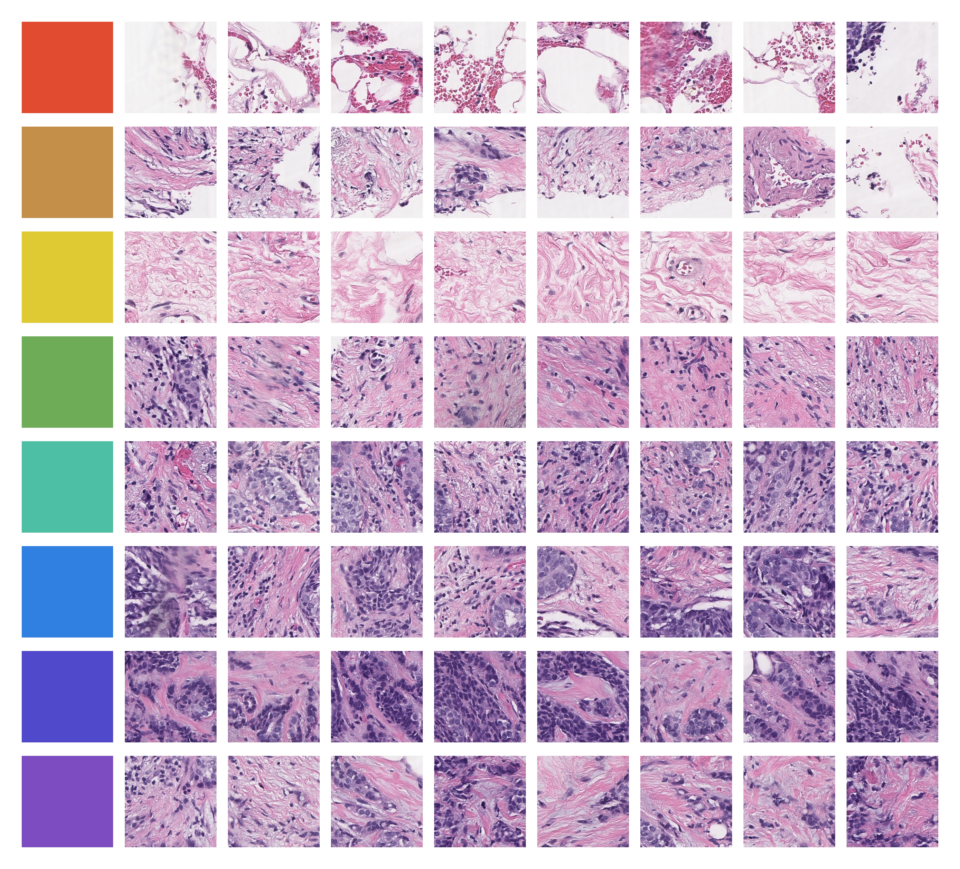
For treatment predictions, Ataraxis AI employs AI models that analyze digital pathology slides combined with standard clinical data to forecast patient outcomes and therapy responses. Their models estimate whether presurgical chemotherapy will be effective and assess five-year recurrence risk to assist in post-surgical treatment decisions. Validated across multiple institutions and clinical trials, these models run on NVIDIA GPU-powered infrastructure using PyTorch with CUDA acceleration.
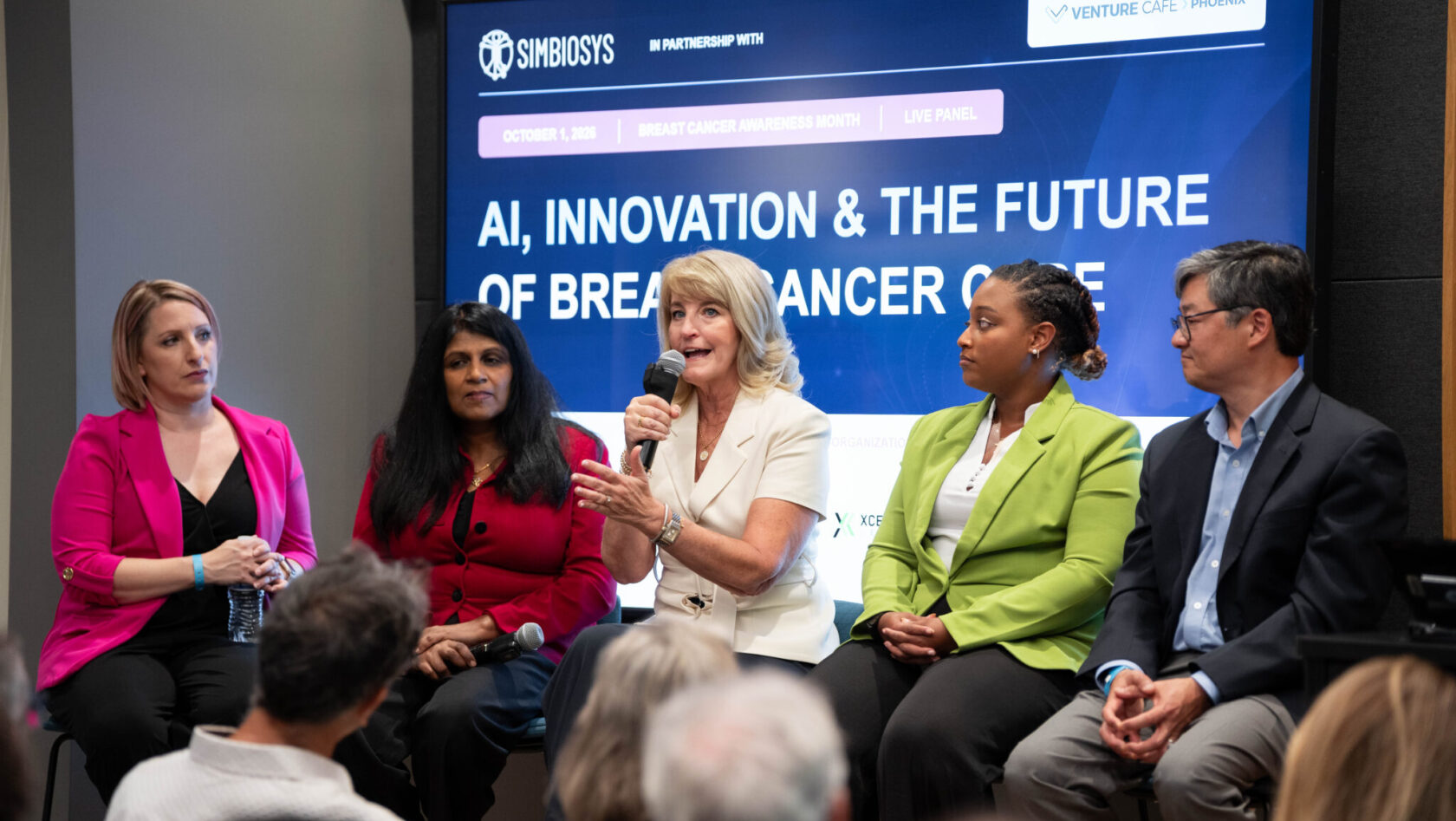
SimBioSys uses AI to create precise 3D reconstructions of breast tumors and surrounding tissues, aiding surgical planning and treatment evaluation. Their technology integrates multimodal data—including imaging, pathology, and genomic information—to provide comprehensive patient insights. Powered by NVIDIA MONAI and CUDA-X libraries in cloud environments, SimBioSys enables rapid analysis of extensive imaging data, shortening wait times for crucial clinical information.
Collectively, these NVIDIA Inception startups exemplify how AI-enabled technologies can address breast cancer’s deadliest care gaps, enhancing screening accessibility, diagnostic precision, and personalized treatment strategies. While some of these innovations have FDA clearance for screening support, others remain investigational. Nonetheless, the integration of advanced AI and NVIDIA’s computational power offers promising strides toward improved outcomes for breast cancer patients.
Sources and original reporting
Read the original source ↗
Comments (0)
No comments yet. Start the discussion.
Write a comment
Comments are published after moderation. Your name and comment will be visible publicly. Account