
NVIDIA Unveils Rubin HPC GPU to Boost Scientific and Engineering Simulations
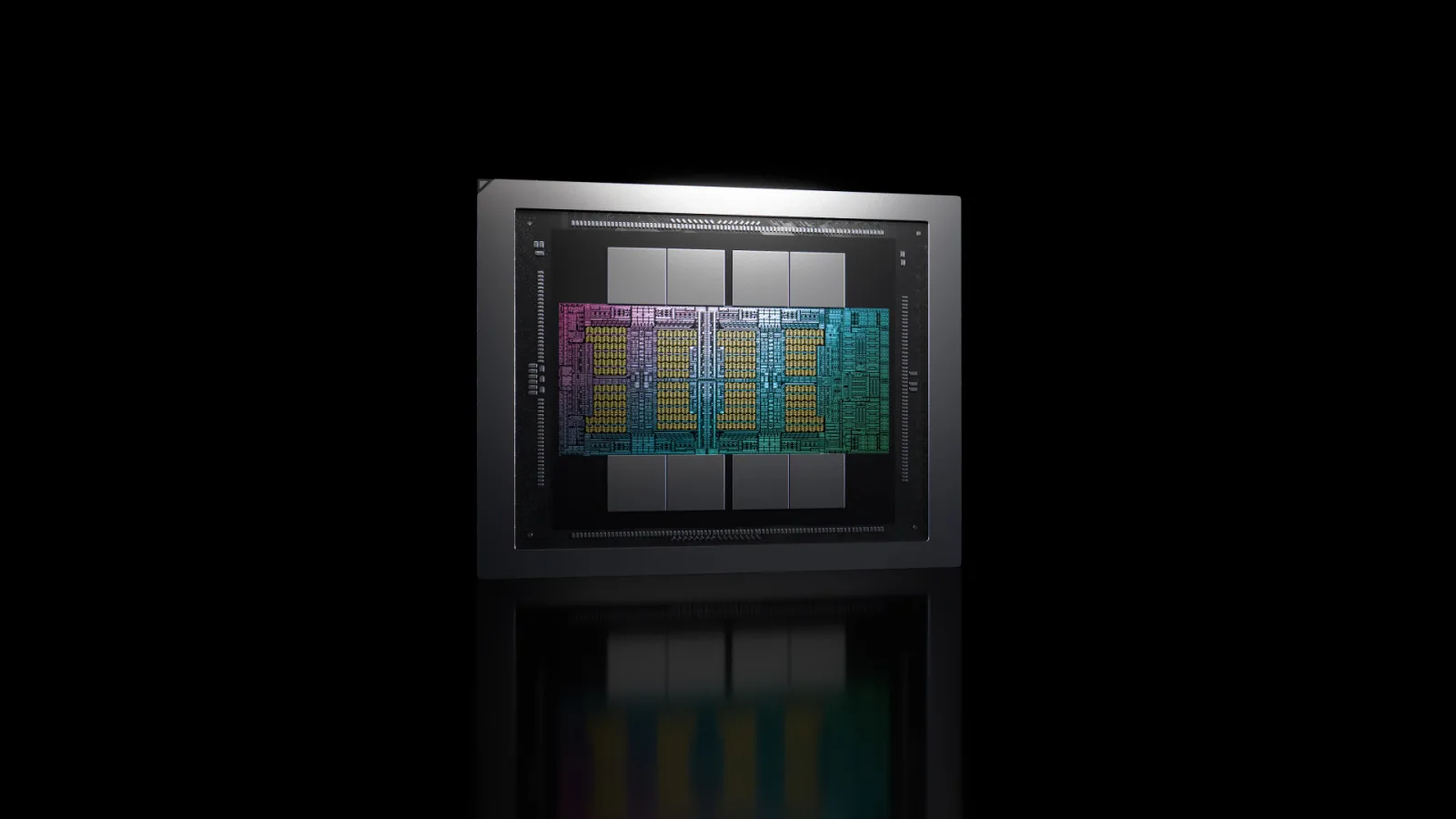
Image: NVIDIA · Source
NVIDIA announced the Rubin HPC GPU as part of its Vera Rubin platform, aiming to accelerate simulations and data processing for science, engineering, and analytics. Featuring over 50,000 CUDA cores and advanced connectivity, Rubin HPC is designed for faster discovery by scientific agents and engineers.
At the SC26 conference, NVIDIA revealed its latest computing innovation: the Rubin HPC GPU, integrated into the Vera Rubin platform. This new GPU is tailored to accelerate simulation and data processing workloads fundamental to scientific research, engineering tasks, and complex analytics.
Simulations are critical for scientists and engineers as they evaluate new materials, molecules, or designs before investing in experiments or prototypes. The Rubin HPC GPU intends to speed these simulations, allowing agents to explore more possibilities and drive discoveries faster.
Rubin HPC boasts a record-breaking number of CUDA cores—exceeding 50,000 in a single GPU. It incorporates sparse data acceleration to efficiently feed these cores, along with seventh-generation NVIDIA NVLink technology to enhance data transfer between GPUs. This balanced approach between data movement and compute power ensures the GPU cores spend more time processing and less time waiting for data.
NVIDIA highlights that scientific computing workloads, ranging from climate modeling and genomics to engineering simulations and financial risk analyses, follow common patterns in data access and computation. Rubin HPC is optimized for these recurring operations such as sparse matrix manipulations, stencil computations, sorting, and reductions.
Complementing the hardware, NVIDIA’s CUDA-X libraries provide optimized implementations of complex algorithms critical for simulation and analytics workflows. When paired with Rubin HPC, these libraries accelerate computational reasoning, enabling faster iterative simulation cycles.
Ian Buck, NVIDIA’s vice president of hyperscale and high-performance computing, emphasized the impact: “Rubin HPC accelerates the simulations agents use to test ideas and guide their next steps, helping scientists and engineers explore more possibilities and bring breakthroughs closer.”
NVIDIA plans to release Rubin HPC in 2028, aiming to significantly shorten the time from hypothesis to discovery across diverse scientific and industrial domains by enabling rapid, large-scale simulation and data processing.
Sources and original reporting
Read the original source ↗
Comments (0)
No comments yet. Start the discussion.
Write a comment
Comments are published after moderation. Your name and comment will be visible publicly. Account