
IEA Highlights Growing Alignment of Cost, Security, and Cleanliness in Global Electrification Push
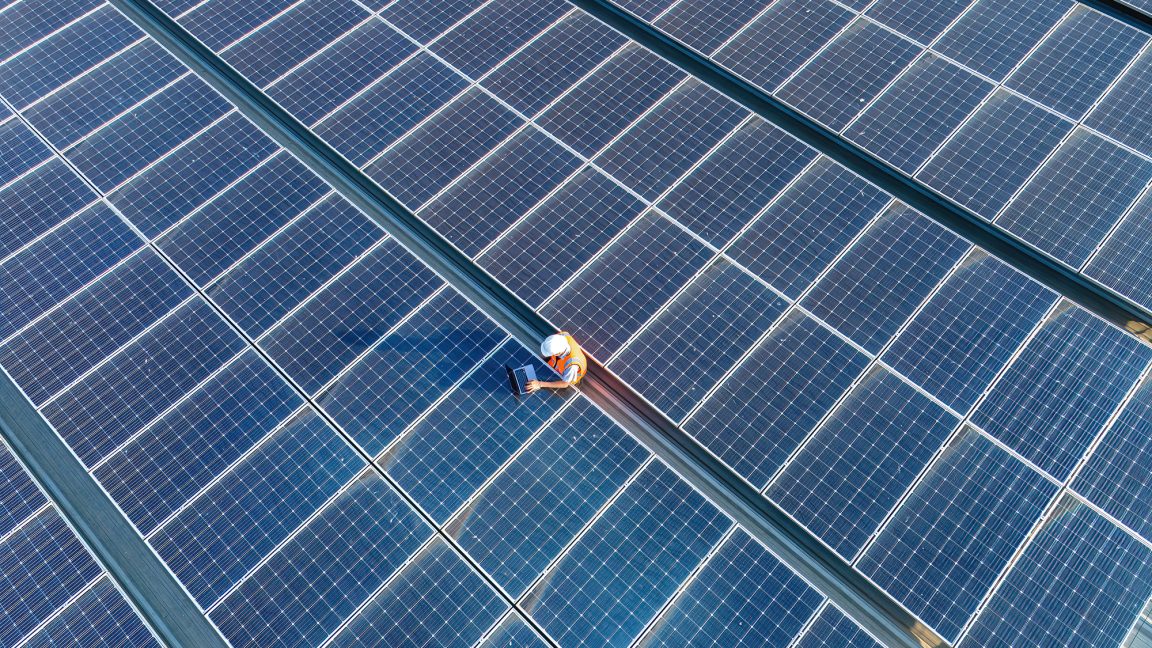
Image: Ars Technica · Source
The International Energy Agency reports increased economic and environmental incentives for electrification but notes persistent challenges in politics, infrastructure costs, and sector-specific hurdles.
The International Energy Agency (IEA) released a new report emphasizing a critical moment in the global energy landscape where economic viability, energy security, and environmental benefits are increasingly converging to support the shift toward electrification. Fatih Birol, the IEA executive director, highlighted this alignment in an address at the United Nations, framing it as a unique opportunity for accelerating the energy transition.
The concept of the "energy trilemma," balancing cost, security, and environmental impact, has historically posed difficult trade-offs for policymakers and industry leaders. However, Birol pointed out that recent dynamics, including the aftermath of the Iran war and resultant fuel price spikes, have brought these priorities into closer harmony, making electrification economically advantageous and strategically sound from a security standpoint.
Quantitative data from the IEA report illustrate this shift: electric vehicles offer nearly three times the mileage for the same dollar spent on energy compared to gasoline-powered cars, and heat pumps provide approximately 40% longer heating duration than gas boilers for equivalent costs. The global share of electricity in final energy consumption rose from 16.7% in 2000 to 23.4% in 2025, with China showing significant growth, indicating strong adoption of renewable energy and electric technologies.
Despite this optimism, experts caution that the electrification transition faces multifaceted challenges. David Victor, a public policy scholar, underscored that sectors such as heavy trucking, maritime shipping, and aviation may not electrify rapidly due to technological and economic barriers. He also raised concerns about trade frictions potentially impeding access to critical components like solar panels.
Political factors contribute substantially to the pace of change. Emily Grubert of the University of Notre Dame noted that vested interests linked to fossil fuel industries often resist the transition, prioritizing economic profits over environmental considerations, which slows policy implementation in some regions.
Kenneth Medlock of Rice University highlighted the importance of factoring in upfront infrastructure costs that can impede the adoption of low-carbon technologies despite their lower operational expenses. This economic complexity is further pronounced in developing countries; Chuks Okereke from the University of Bristol pointed out that in nations like Nigeria, short-term economic drivers favor fossil fuels unless substantial international assistance is provided to support green energy infrastructure.
Looking ahead, the IEA and climate negotiators aim to establish a target of achieving 35% electrification of final energy by 2035, a goal expected to be discussed at the upcoming COP31 conference. If adopted, this target would send a clear global signal endorsing electrification as a pathway to decarbonization.
While recognizing the significant hurdles remaining, Birol's message is one of cautious optimism. The realignment of economic, security, and environmental incentives offers a stronger foundation for accelerating the energy transition, though concerted efforts and policy coherence remain crucial to overcome political, infrastructural, and sectoral challenges. Electrification is positioned as a linchpin in the broader move toward decarbonization, requiring widespread adaptation across power generation and energy consumption sectors.
Sources and original reporting
Read the original source ↗
Comments (0)
No comments yet. Start the discussion.
Write a comment
Comments are published after moderation. Your name and comment will be visible publicly. Account