
Bipartisan U.S. Bill Aims to Accelerate Energy Projects but Raises Environmental Oversight Concerns
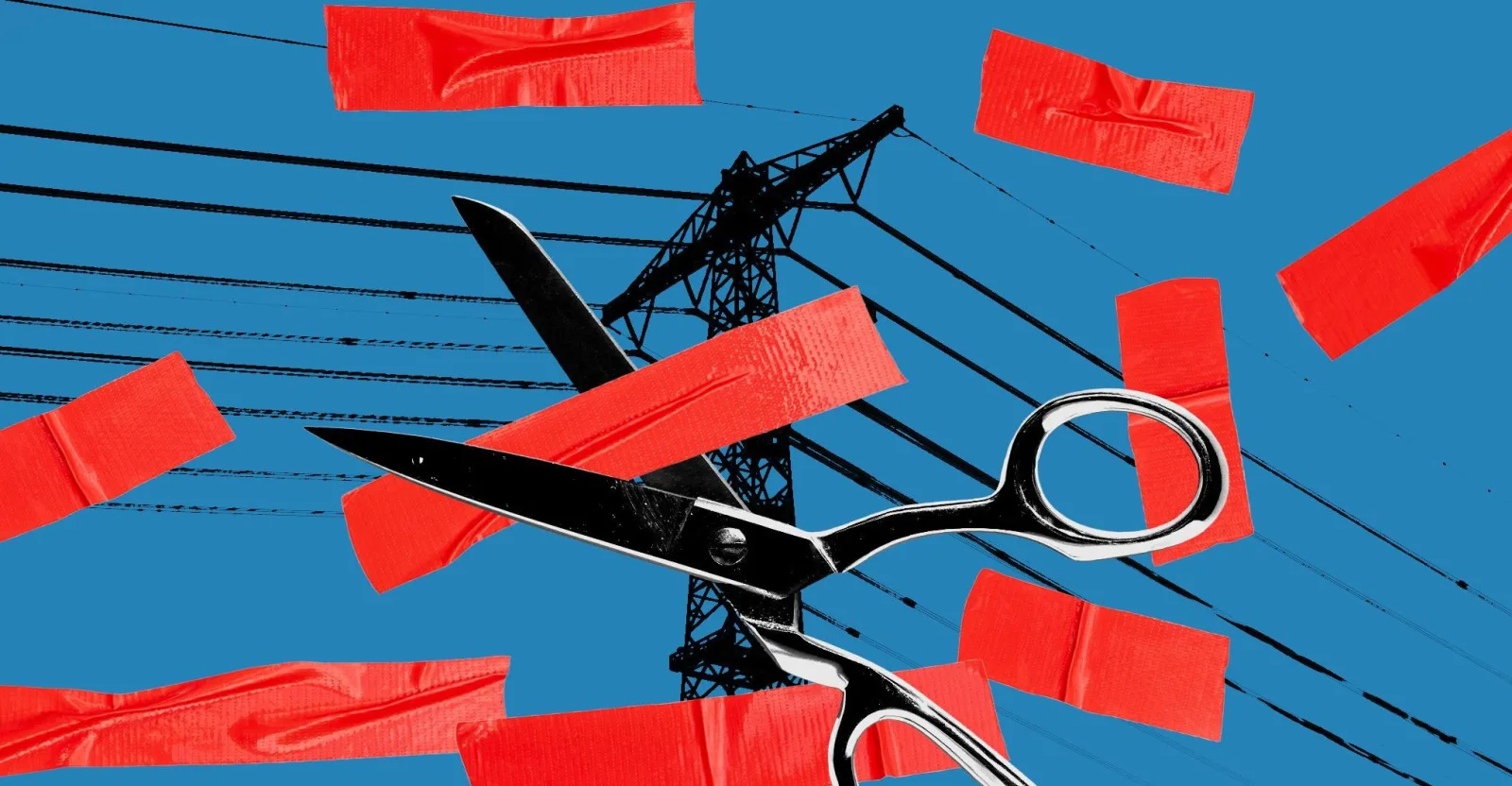
Image: Lame-duck Congress might actually do something: speed up energy projects · Source
A new bipartisan bill advancing in Congress seeks to expedite energy project permitting, potentially lowering utility bills and enhancing grid infrastructure. However, critics warn it might weaken environmental protections and limit community involvement, especially affecting data center developments.
The Bipartisan American Affordability and Jobs Act (BAAJA), introduced by four senators across party lines, is progressing toward a potential vote in the current congressional session. The legislation is designed to streamline and accelerate the permitting process for energy infrastructure projects, which have often been delayed for years due to complex environmental reviews and prolonged litigation.
Supporters, including the Bipartisan Policy Center and some environmental groups, emphasize that the bill could cut the time to build critical transmission lines roughly in half, from around a decade to five or six years. This acceleration is expected to facilitate greater integration of renewable energy sources like wind and solar into the national grid and reduce overall energy costs. Modeling studies predict a decrease in greenhouse gas emissions and lower electricity bills—estimates suggest households could save between $50 and $251 annually by 2040 if the bill is enacted.
However, BAAJA imposes tighter limits on environmental reviews under laws such as the National Environmental Policy Act (NEPA), the Clean Water Act, and the Endangered Species Act. It sets deadlines for agency decisions and curtails the public's opportunity to challenge or halt projects in court. Environmental advocates, including the Natural Resources Defense Council and Earthjustice Action, express concern that the bill prioritizes speed over environmental stewardship and community input.
One significant point of contention involves data centers, which require substantial electricity and water resources. The bill aims to charge data centers more fairly for transmission costs, as current regulations often shift expenses from these large consumers to other utility customers. Yet environmentalists worry the legislation could enable faster approvals for fossil fuel infrastructure supporting data centers, undermining climate goals.
Additionally, BAAJA seeks to prevent federal agencies from revoking or suspending permits once approved and allows developers to sue agencies for inconsistent treatment, potentially leading to costly litigation funded by taxpayers. Despite these concerns, some environmental groups remain cautiously optimistic that amendments during legislative negotiations could strengthen protections.
Overall, the bill represents a significant attempt by Congress to address long-standing energy infrastructure bottlenecks, balancing the urgent need for modernized, affordable power with the protection of environmental and community interests. Its passage could mark a notable bipartisan achievement amid an otherwise polarized political environment, though debates over its scope and safeguards are expected to continue as it moves forward.


Sources and original reporting
Read the original source ↗
Comments (0)
No comments yet. Start the discussion.
Write a comment
Comments are published after moderation. Your name and comment will be visible publicly. Account