
FCC Chair Brendan Carr Warns Broadcasters Against Airing 'Fake Polls' Amid Media Tensions
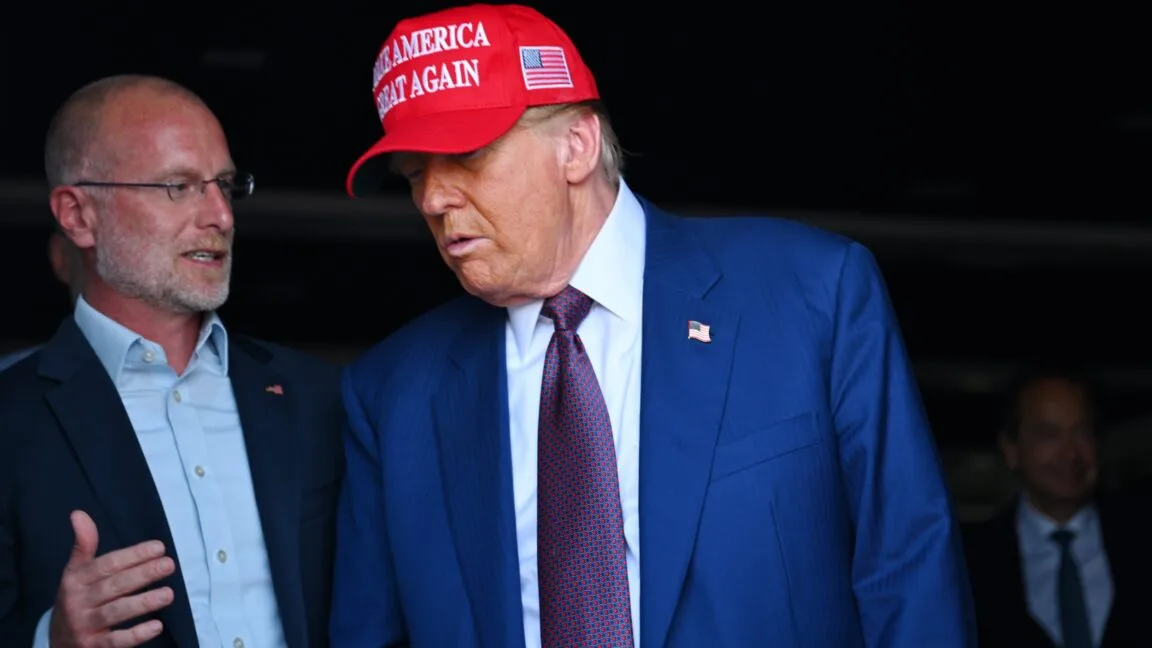
Image: Ars Technica · Source
FCC Chair Brendan Carr cautions broadcasters to avoid airing unverified political polls, echoing President Trump's criticisms. Former FCC officials warn this may push broadcasters toward self-censorship.
In October 2026, Federal Communications Commission (FCC) Chairman Brendan Carr issued a cautionary statement urging broadcasters to refrain from airing “fake polls” lacking scientific or factual basis. Carr emphasized that many journalists and broadcasters have been disseminating such polls without adhering to journalistic ethics or informing the public of their dubious validity. He advised broadcasters to provide contextual information surrounding polls they cover to comply with regulatory obligations tied to their licenses.
While Carr did not specify particular polls or media outlets, his admonition aligns with previous complaints from President Trump, who has criticized the media’s use of certain polls as misleading. In August, Trump had called on the FCC to act against journalists and media organizations he accused of relying on “fake polls.”
This move has drawn criticism from former FCC chairs and officials across the political spectrum. Notably, ex-chairs Tom Wheeler and Mark Fowler, along with other former commissioners, argued that Carr’s warnings are an attempt to intimidate broadcasters into self-censorship, infringing on editorial independence. They underscored that good-faith reporting on public polls, even those later revealed to be fabricated, does not violate FCC rules on news distortion or hoaxes. Democratic FCC Commissioner Anna Gomez also stated that while pollsters deliberately misleading the public should be accountable, broadcasters reporting publicly available polling data must not be penalized for inadvertently citing inaccurate polls.
The issue gained further complexity when Wedgewood Polls, a previously little-known polling entity, admitted to fabricating data as a test of media vetting processes. Despite lacking credible credentials or historical data, Wedgewood polls were included by several major polling aggregators, including The New York Times, FiftyPlusOne, and VoteHub. These aggregators had implemented some level of vetting, with VoteHub assigning Wedgewood a low quality grade (D) upon inquiry. The New York Times clarified that while it incorporated some Wedgewood polls for state and congressional races, it excluded them from key trackers, such as those measuring President Trump’s approval ratings or congressional control preferences.
This incident echoes an earlier episode in 2026, when Median Strategies acknowledged creating fake polls as a social experiment, which also slipped into some media analyses.
Carr’s focus remains limited to broadcasters licensed by the FCC, differentiating from online media or aggregators without such regulatory oversight. His directive urges licensees to uphold public interest obligations and avoid “news distortions” or “broadcast hoaxes,” though critics point out this could suppress robust political reporting.
The controversy highlights ongoing tensions between the FCC leadership under Carr and media organizations, amidst concerns over misinformation, media credibility, and regulatory overreach. How broadcasters will balance compliance with journalistic independence and regulatory expectations remains uncertain as the political climate intensifies approaching the 2026 midterm elections.

Sources and original reporting
Read the original source ↗
Comments (0)
No comments yet. Start the discussion.
Write a comment
Comments are published after moderation. Your name and comment will be visible publicly. Account