
SpaceX Urges Better Orbital Coordination Following Close Calls with Starlink Satellites
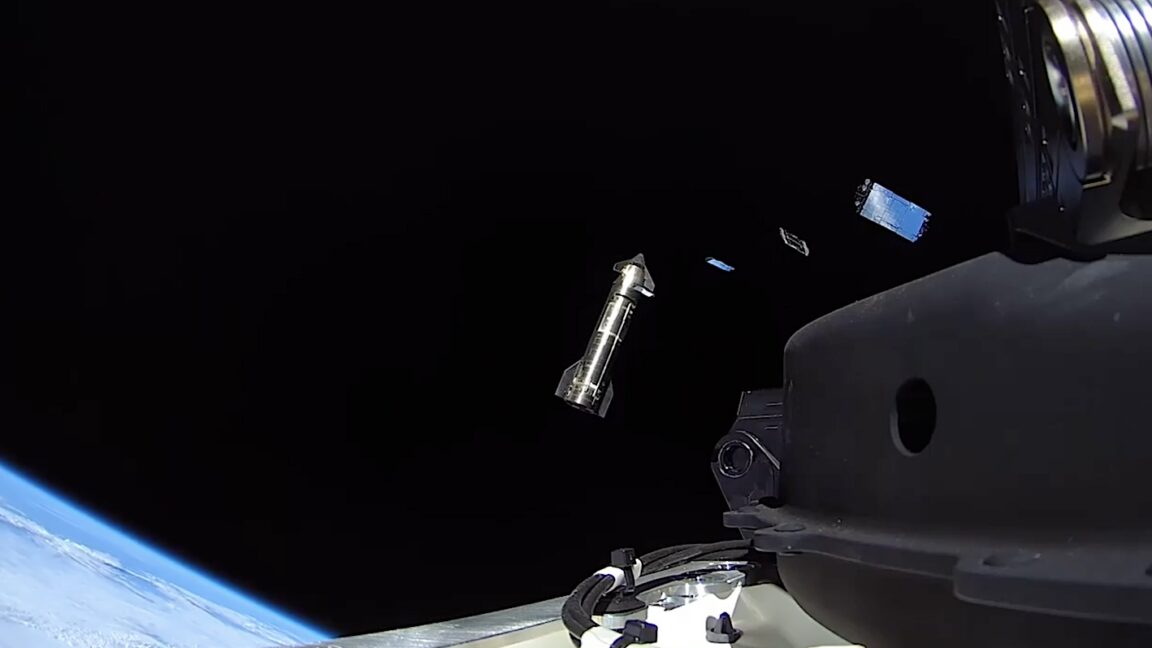
Image: Ars Technica · Source
SpaceX highlights risks of satellite collisions in low-Earth orbit due to limited data sharing among operators, calling for improved global cooperation to ensure safe navigation amid growing megaconstellations.
SpaceX has issued a strong call for enhanced coordination and data sharing among satellite operators to prevent near-collision incidents in low-Earth orbit, where its Starlink satellites operate. The appeal comes amid rapid growth in satellite megaconstellations, increasing the complexity of space traffic management.
Michael Nicolls, SpaceX’s vice president of Starlink and president of its AI spin-off xAI, presented details at the International Astronautical Congress in Turkey. He emphasized that while low-Earth orbit remains spacious enough for more satellites, safety hinges on transparent communication regarding satellite positions and maneuvers.
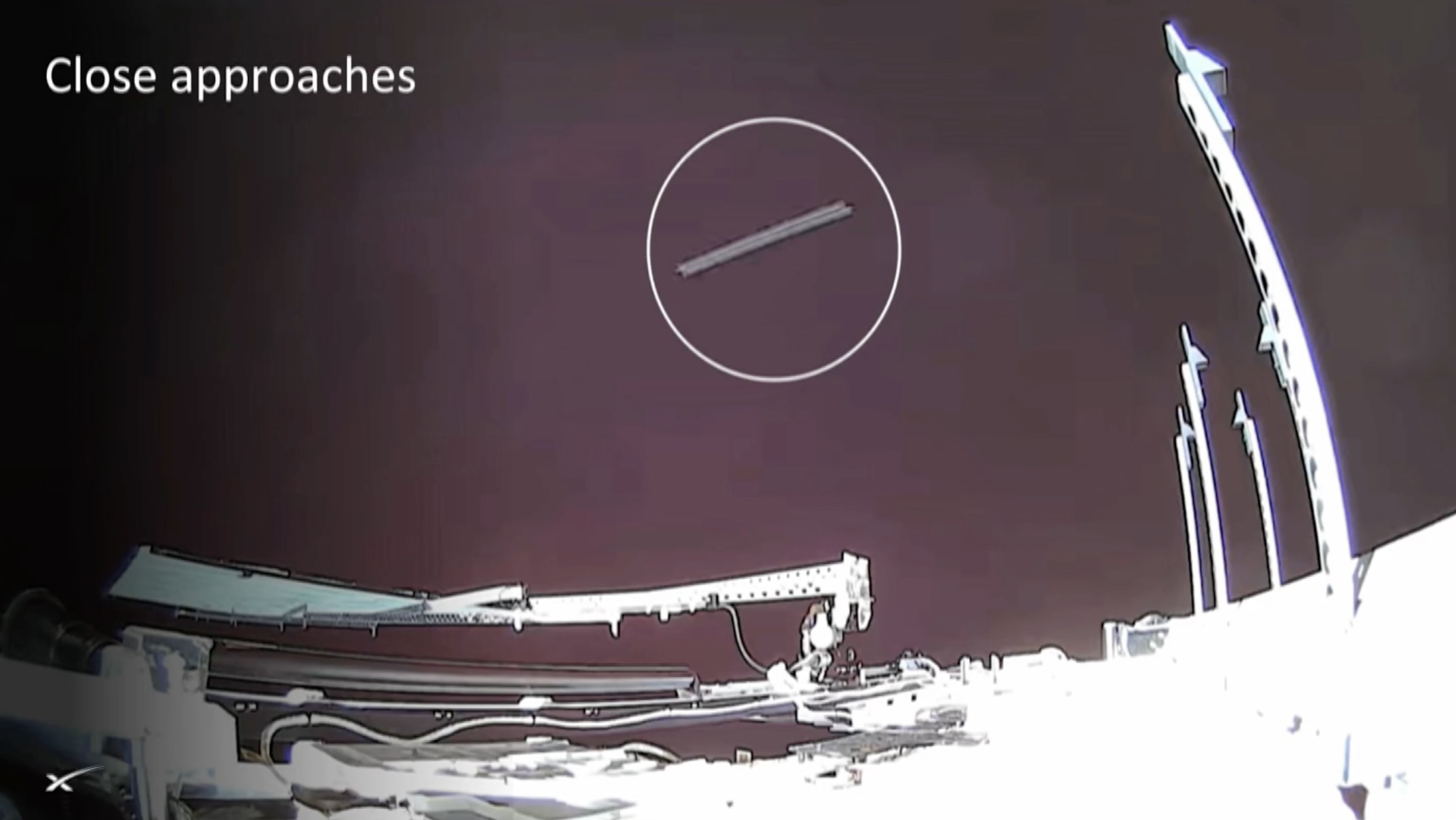
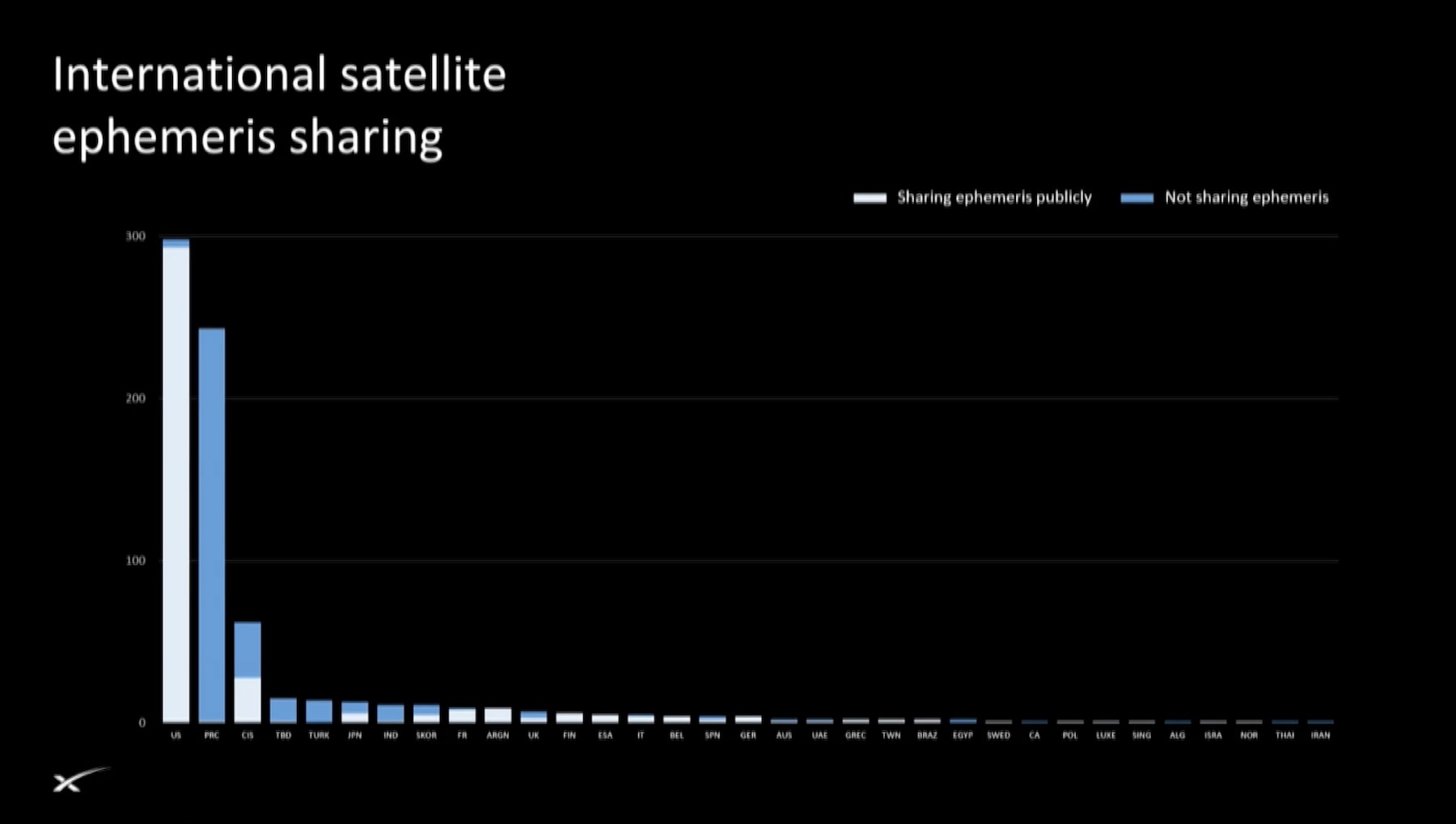
Starlink, with over 11,000 satellites comprising around two-thirds of active spacecraft in low-Earth orbit, faces multiple close approach events — with satellites from other operators passing within tens to hundreds of meters. Nicolls clarified these were not hostile but resulted from other satellites maneuvering without informing SpaceX or sharing ephemeris data, which outlines location and trajectory. Such secrecy or lack of coordination greatly increases collision risks.
SpaceX has taken steps to mitigate debris, lowering its active Starlink satellites below 500 kilometers altitude to reduce conjunction risks and aid quicker deorbiting if failures occur. Newer Starlink V3 satellites launched on Starship will orbit even lower at about 350 kilometers. The company also shares its satellites’ ephemeris data publicly and developed onboard navigation cameras called Stargaze that track about 90% of intersecting maneuvering satellites.
Despite these efforts, Starlink carries out roughly a thousand collision-avoidance operations per day, including repelling around 650 encounters with other active satellites recently—only half of which belong to operators who share orbital data with SpaceX. Nicolls acknowledged that cooperation with international operators, particularly Chinese and Russian satellite providers, remains limited, complicating comprehensive space traffic management.
Confirming SpaceX’s concerns, Amazon’s Leo satellite broadband project leader Rajeev Badyal stated that Amazon coordinates closely with SpaceX and other operators, sharing launch and orbit-raising plans to ensure safety. Amazon’s constellation currently holds nearly 400 satellites with plans for thousands more, underscoring the need for international standards.
Nicolls stressed the critical need for establishing global norms and mechanisms for real-time satellite position sharing to sustain safe operations as satellite deployments accelerate. Without improved cooperation, the risk of collision-induced space debris proliferation could threaten satellite infrastructure critical for telecommunications, internet access, and scientific research.
This message from one of space’s largest satellite operators underscores the growing urgency for the space industry and governments worldwide to advance space traffic management frameworks that can accommodate burgeoning megaconstellations safely and sustainably.



Sources and original reporting
Read the original source ↗
Comments (0)
No comments yet. Start the discussion.
Write a comment
Comments are published after moderation. Your name and comment will be visible publicly. Account