
Why Political Text Messages Flooding Your Phone Aren't Going Away Yet
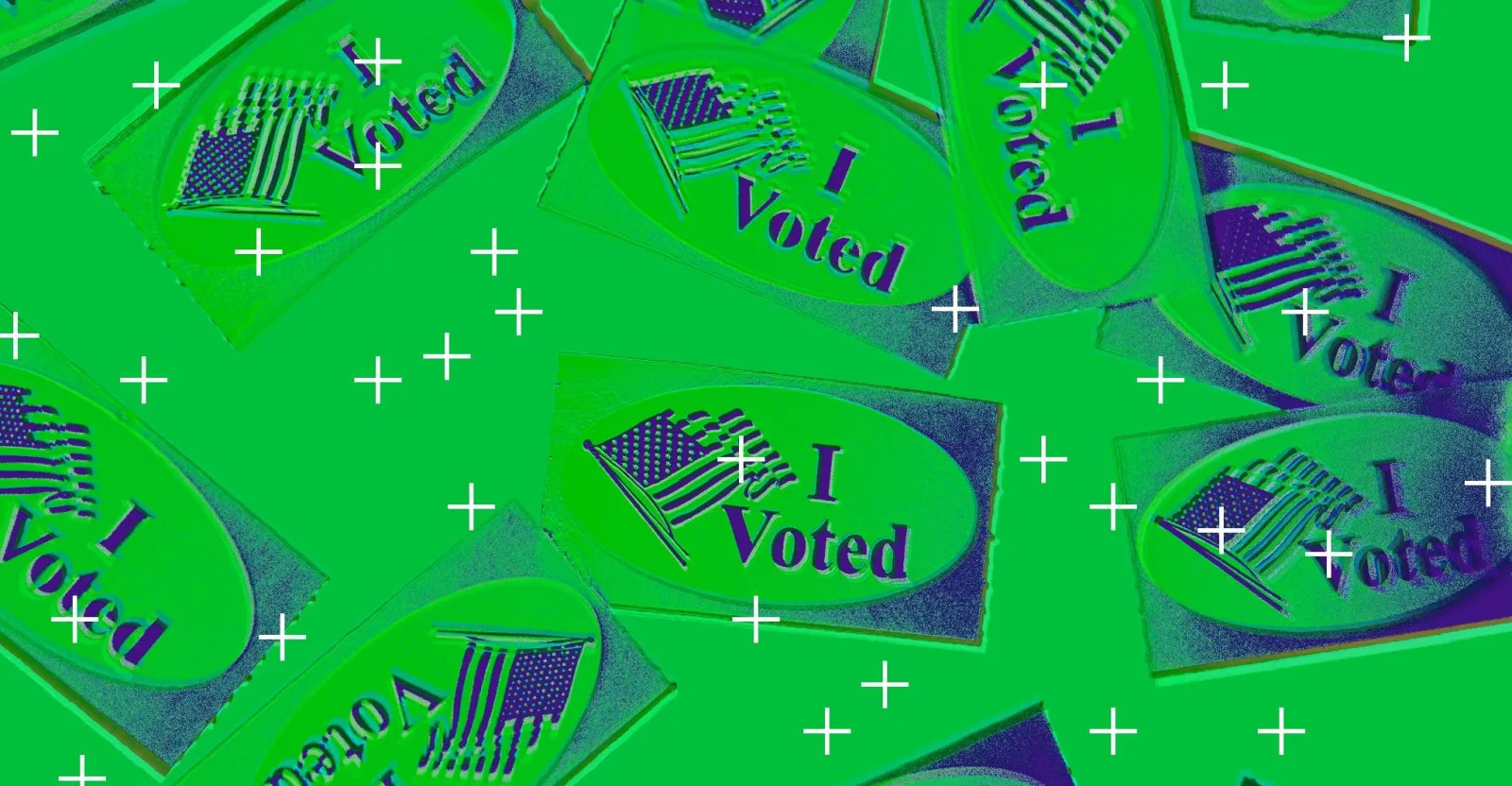
Image: Here’s why you can’t shake those unhinged political texts · Source
In the lead-up to US midterm elections, billions of political texts inundate phones due to legal exemptions and data broker usage. Blocking is limited, with long-term fixes likely requiring regulation.
As the US midterm elections approach, many voters find their phones overwhelmed by relentless political text messages. These messages, often urgent and emotive, come from various campaigns and issue groups, making it nearly impossible to escape them. Estimates from spam blocking firms illustrate the scale: the company Robokiller identified 15 billion political texts sent during the 2022 cycle, while YouMail CEO Alex Quilici estimates 25 to 30 billion texts this year alone—roughly the same or slightly higher volume than recorded for the 2024 elections.
A key reason for this surge is a 2021 Supreme Court decision that eased restrictions on sending mass calls and texts without prior consent, exempting political messages from the usual "do-not-call" protections. As Teresa Murray, director of the consumer watchdog PIRG, explains, these messages are legally permitted even if unwanted, though the flood should subside soon after Election Day.
Campaigns obtain phone numbers through various channels, including data brokers who aggregate information from public voter rolls, online tracking, and loyalty programs. This data helps infer voters' likely preferences and donation potential, but it often results in errors and outdated contact information, causing people to receive messages meant for others or different locales. Sara Geoghegan of the Electronic Privacy Information Center highlights the unregulated nature of this data ecosystem and its potential to cause privacy issues and reduce civic engagement.
Voters seeking relief can try replying "stop" to opt out or block and report spam messages to their service providers, though this usually has limited immediate effect. Filing complaints with the Federal Communications Commission or state officials is possible if autodialing laws are violated, but political messages often operate within legal loopholes. Importantly, recipients are advised not to click on unknown links to avoid scams that may be embedded among genuine calls for donations.
Long-term mitigation includes minimizing the sharing of personal phone numbers online and using alternative numbers such as VoIP services like Google Voice to segment political messages away from primary contact lines. However, Murray notes that previously shared numbers may still circulate in campaign lists for years.
Ultimately, industry experts agree that systemic solutions require legislative and regulatory action. Increased enforcement of telecommunication laws and new policies targeting political message spam may offer meaningful relief beyond individual user efforts. Until then, voters may have to endure the barrage as part of the political process.


Sources and original reporting
Read the original source ↗
Comments (0)
No comments yet. Start the discussion.
Write a comment
Comments are published after moderation. Your name and comment will be visible publicly. Account