
Major US Carriers Oppose FCC Rules Favoring Satellite Competitors
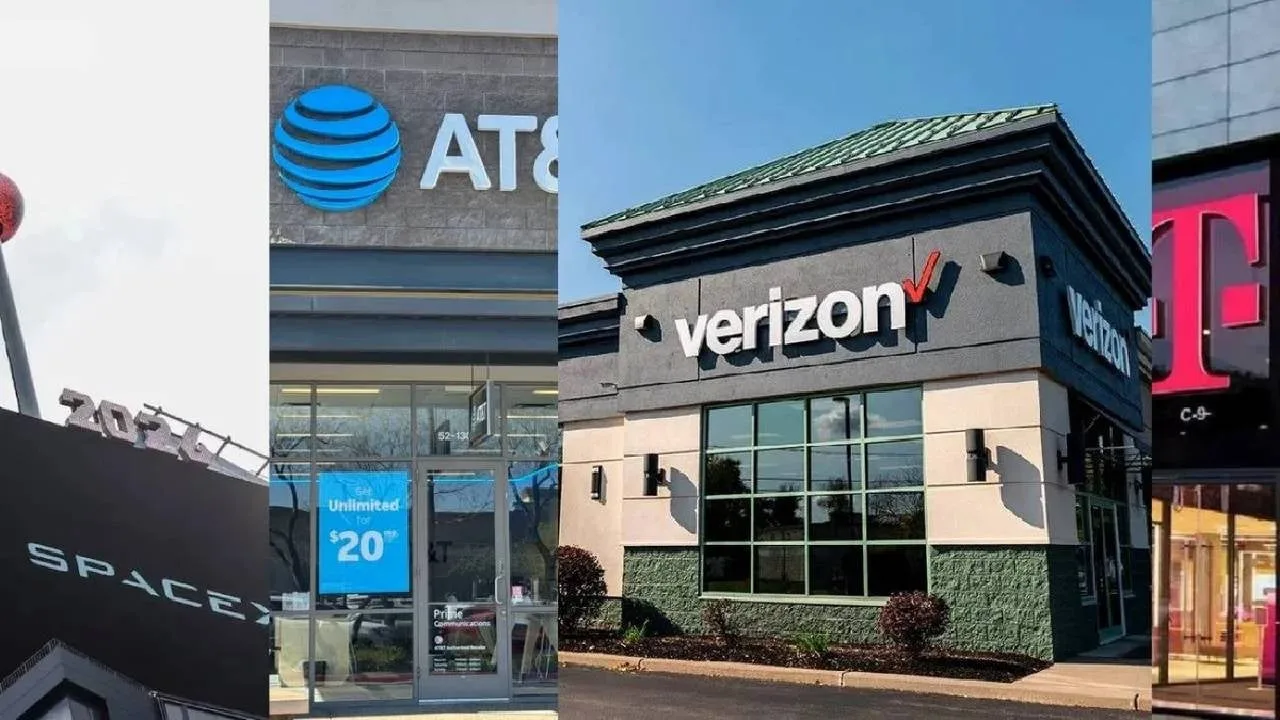
Image: PhoneArena · Source
AT&T, T-Mobile, and Verizon have expressed strong opposition to new FCC regulations that aim to support emerging satellite-based telecom services, citing concerns over potential impacts on their operations.
In a recent development within the U.S. telecommunications sector, the country's three dominant carriers—AT&T, T-Mobile, and Verizon—have formally voiced opposition to newly proposed regulations by the Federal Communications Commission (FCC). These rules are designed to bolster the entry and growth of satellite companies competing in the telecom space.
The Big Three carriers argue that favoring satellite operators through regulatory changes could disrupt the competitive balance and potentially hinder the established networks' ability to maintain service quality and operational efficiency. They warn that increased competition from satellite services, enabled by these FCC provisions, may challenge their extensive terrestrial infrastructure and market dominance.
Satellite telecom companies have been gaining ground in recent years, offering expanded coverage and new connectivity options, especially in underserved or remote regions. Recognizing this potential, the FCC has sought to encourage satellite service providers by implementing supportive policies aimed at market diversification and technological advancement in telecommunications.
However, the carriers' resistance underscores the tension between traditional mobile network operators and emerging players leveraging space-based technologies. The dispute highlights the evolving landscape of telecommunications, where innovation intersects with regulatory frameworks and business interests.
At this time, the FCC's regulatory measures remain under review, and it is unclear how the agency will reconcile the competing perspectives of established carriers and satellite entrants. Stakeholders and industry observers will be watching closely as these dynamics unfold, as the outcome could significantly influence the future of U.S. telecom services and competition.
No additional details about specific regulatory provisions or the formal responses of involved companies have been published as of now.
Read the original source ↗
Comments (0)
No comments yet. Start the discussion.
Write a comment
Comments are published after moderation. Your name and comment will be visible publicly. Account