
SpaceX's Dominance Raises Concerns Over Control of Access to Outer Space
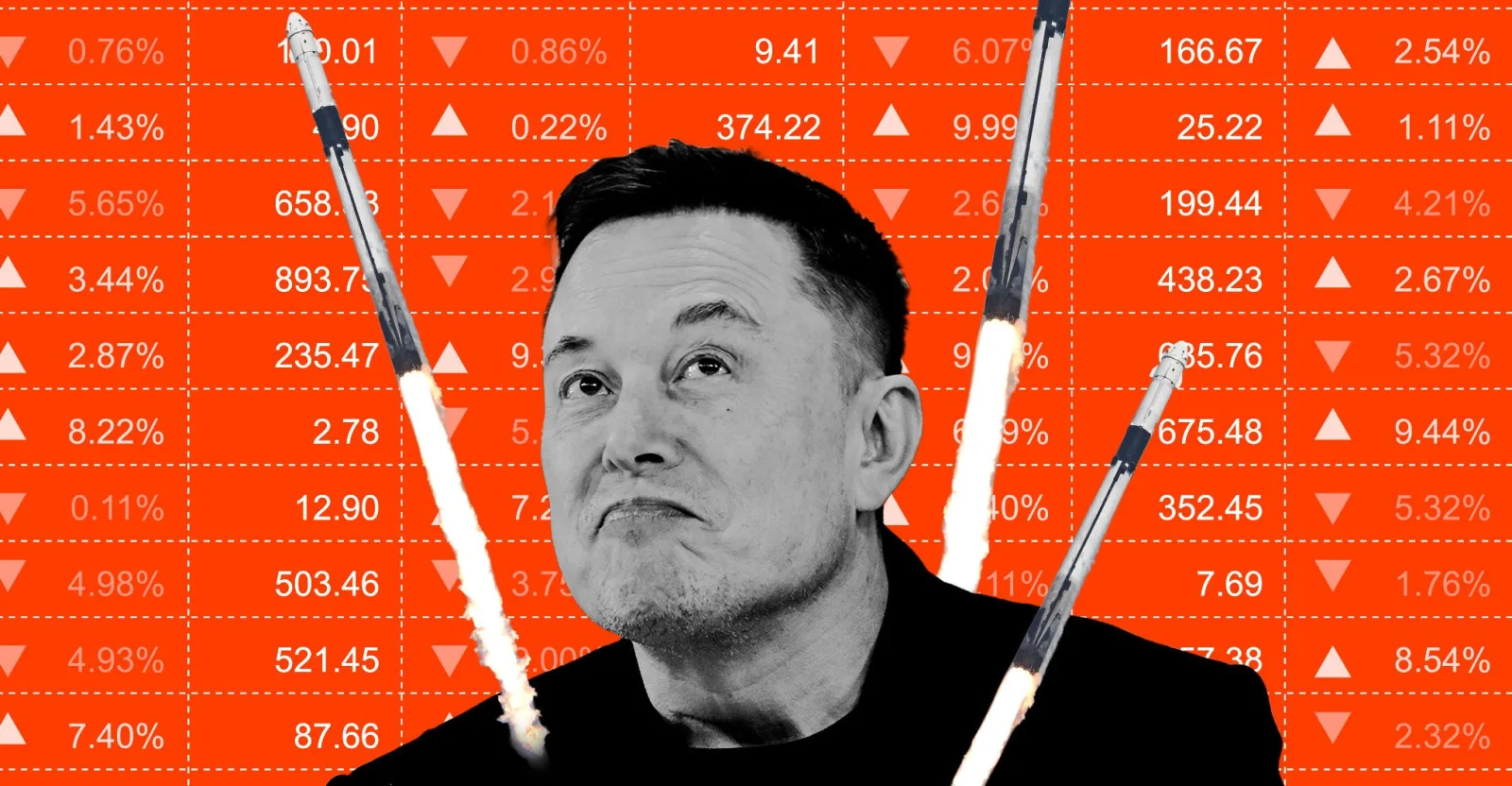
Image: Elon Musk’s dangerous grip on outer space · Source
SpaceX's near-monopoly on space launches and satellite internet service, exemplified by controlling Ukraine's Starshield network access, highlights risks of concentrated power in space technology, with geopolitical and security implications globally.
SpaceX, led by Elon Musk, has grown into a dominant force in the space industry, holding a practical monopoly over rocket launches and satellite internet services. This concentration of power was exposed recently when Starshield—a militarized version of SpaceX's Starlink internet used by Ukraine—was abruptly throttled to block terminals moving above certain speeds. This disruption reportedly disabled Ukrainian interceptors countering Russian drone attacks, leading to casualties and widespread criticism from Ukrainian officials and the international community.
The incident sparked debate over who authorized the restrictions. SpaceX claimed the U.S. military controls Starshield decisions, while conflicting reports implicated Musk himself in ordering the speed restrictions. Ukrainian President Volodymyr Zelenskyy suggested the action was intertwined with U.S. political tensions. Regardless, Ukraine remains dependent on Starlink technologies for defense against ongoing Russian aggression, underscoring the geopolitical leverage a single company possesses.
SpaceX’s Falcon 9 rocket currently leads the industry in launch frequency, cost efficiency, and scale, effectively sidelining competitors like United Launch Alliance, Blue Origin, and Rocket Lab. This dominance extends to satellite internet, where SpaceX relies on its proprietary rockets to deploy the Starlink constellation, now numbering over 10,000 satellites in low Earth orbit. Experts describe this dominance as an antitrust concern since SpaceX prioritizes launching its own satellites, potentially limiting access for other international actors.
Beyond commercial concerns, the dependency on one launch provider poses strategic risks. NASA and the U.S. Space Force face uncertainties as SpaceX plans to retire the Falcon 9 by 2028, with no clear successors. Past events, like the 2003 Columbia shuttle disaster leading to a near-decade hiatus in U.S. crewed missions, demonstrate the dangers of single-provider reliance. Efforts to develop alternatives such as Boeing’s Starliner capsule and missions with providers like Rocket Lab and Blue Origin aim to mitigate these challenges but have yet to match SpaceX’s scale.
Space infrastructure underpins vital services including GPS navigation, financial transactions, and emergency response, meaning the implications of concentrated control extend far beyond space itself. Analysts warn that giving one individual or company such expansive influence, particularly over strategic defense capabilities, poses substantial risks to global security and future technological autonomy.
The situation in Ukraine serves as a cautionary example of the geopolitical power an unelected tech entrepreneur wields in outer space. While SpaceX’s achievements have lowered launch costs and expanded access to space technology, the resultant concentration of industry capabilities demands increased competition and oversight to ensure resilient and equitable access to the final frontier in the years ahead.


Sources and original reporting
Read the original source ↗
Comments (0)
No comments yet. Start the discussion.
Write a comment
Comments are published after moderation. Your name and comment will be visible publicly. Account