
Universal Connectivity in APAC Could Yield $230 Billion Economic Boost by 2030
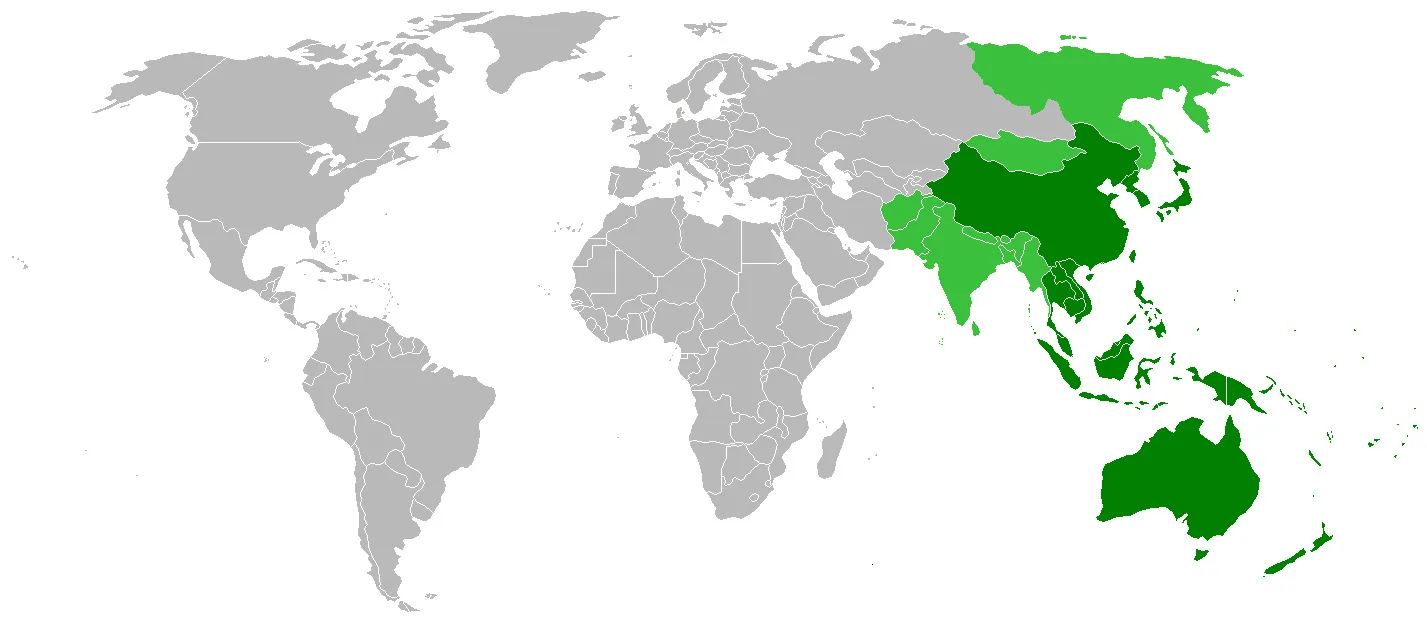
Image: Illustrative image · ASDFGH · Public domain · Source
A new study shows Asia Pacific's connectivity gap is now about usage barriers, not coverage, with device costs and digital literacy key. Closing this gap could add $230 billion to the economy and accelerate social progress.
For many years, extending mobile network coverage was seen as the primary solution for bridging the digital divide in Asia Pacific (APAC). However, a recent joint study by GSMA Intelligence and the Asian Development Bank (ADB) reveals a shift in this paradigm.
Developing APAC, home to 4.3 billion people or over half the global population, now has 71% mobile internet usage, equating to around 3.1 billion users. Notably, 1.1 billion people live within 4G network areas but remain offline, whereas only 100 million lack mobile broadband coverage entirely. This indicates that connectivity gaps arise less from infrastructure scarcity and more from obstacles preventing meaningful internet use.
The study identifies affordability of internet-enabled devices and digital skills or literacy as the primary barriers to mobile internet adoption. Entry-level devices cost more than 60% of the monthly income for the poorest 40%—over three times what is considered affordable. Issues of trust and safety, including concerns over scams and fraud, further hinder adoption, underscoring the need for secure and locally accessible digital services. Additionally, disparities persist; women are 12% less likely than men to use mobile internet, and rural residents lag 25% behind urban users in adoption, with these gaps even more pronounced in parts of South Asia and the Pacific Islands.
These barriers have direct social and economic implications. Each offline individual experiences limited access to essential services and economic opportunities. The report projects that closing the mobile connectivity gap by 2030 could add approximately $230 billion to the developing APAC economy. Beyond GDP gains, universal connectivity is expected to advance poverty reduction, education, healthcare access, financial inclusion, disaster resilience, and environmental sustainability.
Addressing this digital divide requires coordinated policy reforms and investments exceeding $316 billion, with the private sector poised to contribute $132 billion and a remaining $184 billion investment gap primarily needed for improving device affordability and digital skills development. This suggests that non-infrastructure factors such as financing mechanisms, tax reforms, universal service fund adjustments, and digital literacy programs are crucial next steps. Such measures not only target adoption barriers directly but also encourage additional private investment.
Looking ahead, governments in developing APAC are prioritizing digital transformation strategies emphasizing AI and digital public infrastructure. However, these advances depend fundamentally on affordable, trusted, inclusive connectivity. Having reached 98% 4G coverage, the region stands on a strong foundation for digital inclusion. The emerging challenge is to ensure everyone can meaningfully access and benefit from this infrastructure.
In summary, closing the usage gap—not just expanding coverage—will be the defining digital inclusion challenge for APAC in the coming decade. Successfully tackling issues of affordability, skills, trust, and relevance has the potential to unlock vast economic and societal benefits while preventing widening inequalities as new technologies emerge.
Sources and original reporting
Read the original source ↗
Comments (0)
No comments yet. Start the discussion.
Write a comment
Comments are published after moderation. Your name and comment will be visible publicly. Account