
Spanish Museum Builds Cray-1 Supercomputer Replica Using 30 Obsolete Mac Minis
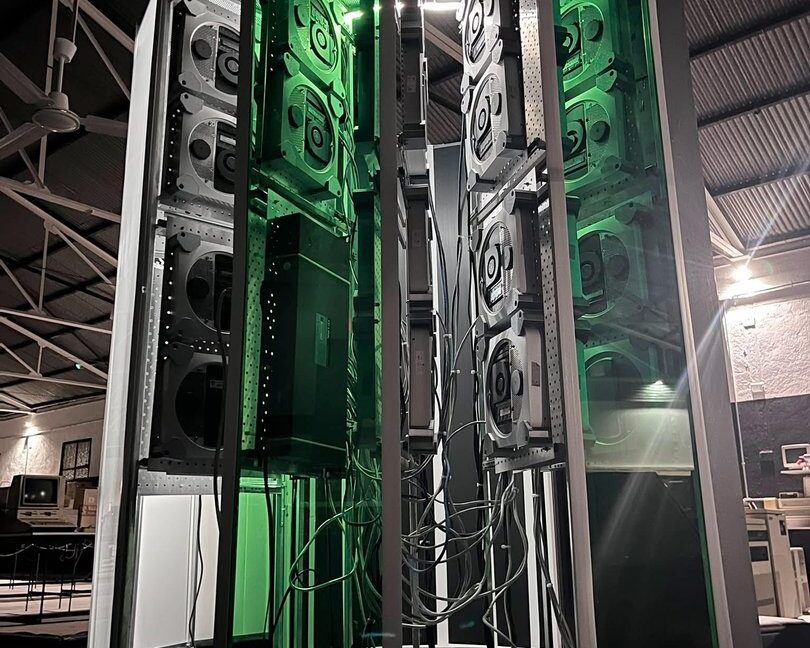
Image: Ars Technica · Source
Spain’s Museo de Historia de la Computación created a 1:1 scale Cray-1 supercomputer replica powered by 30 networked Mac Minis from 2012, achieving over 1 teraflop performance and showcasing advances in computing.
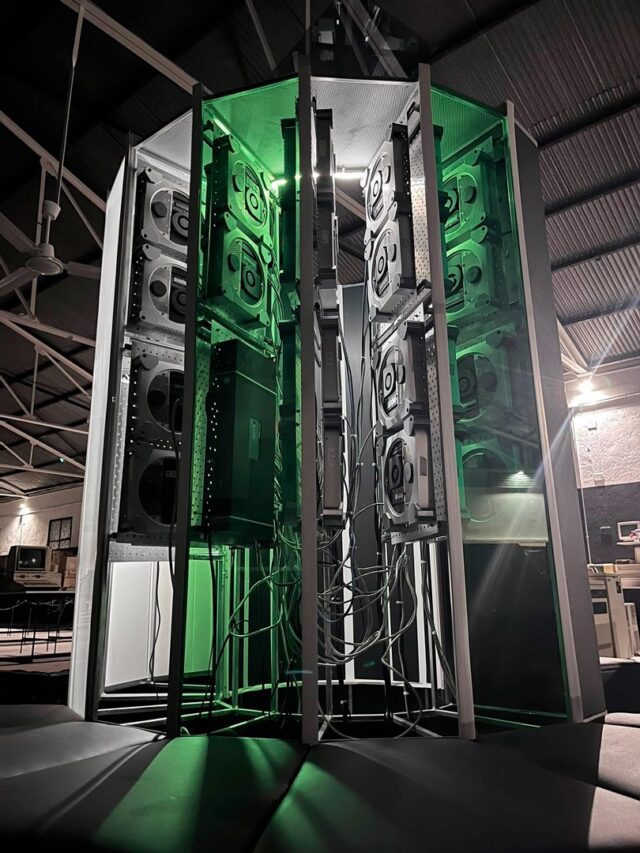
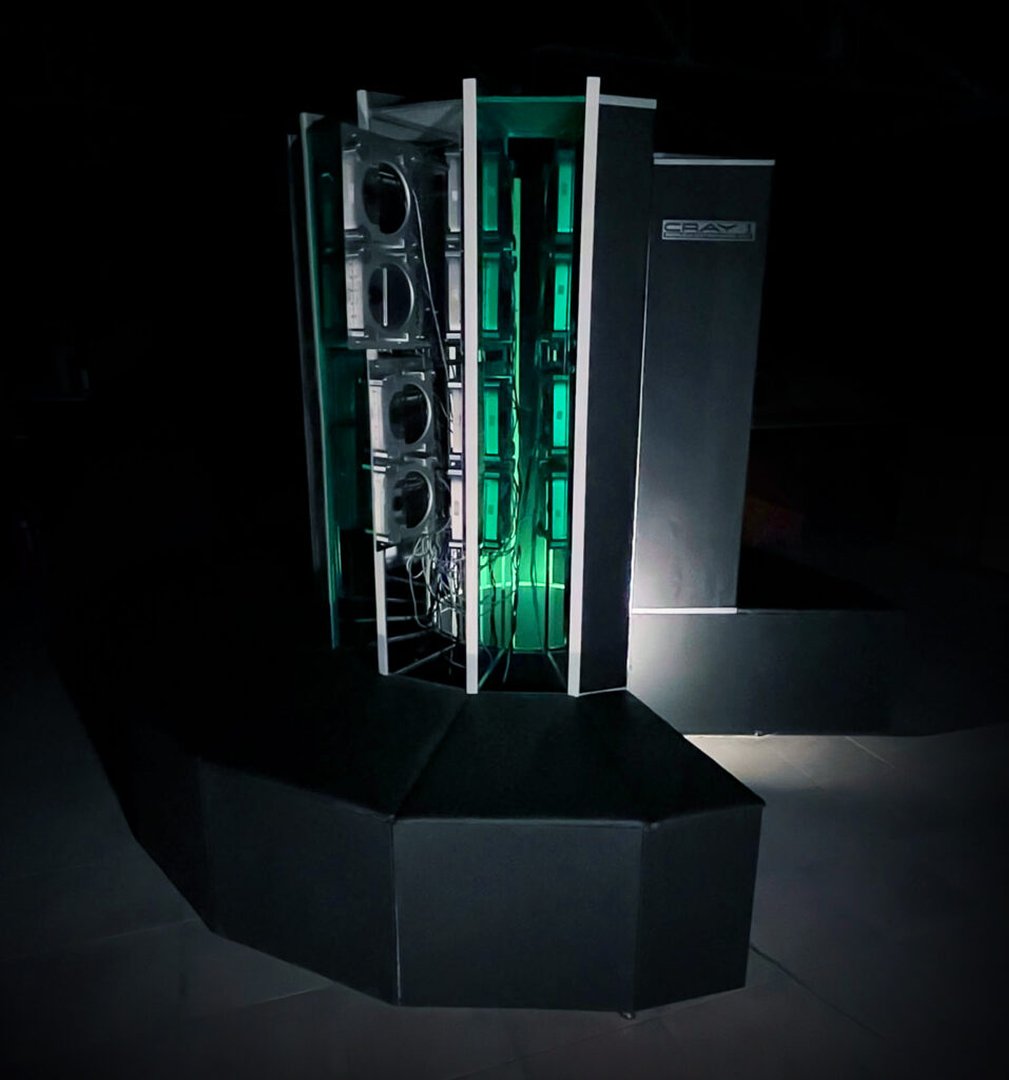
The Museo de Historia de la Computación in Spain has unveiled a full-scale visual and functional replica of the iconic 1976 Cray-1 supercomputer, leveraging thirty Mac Mini computers from around 2012. Developed over 18 months, this innovative project commemorates the 50th anniversaries of the Cray-1 and Apple.
While the original Cray-1 used specialized vector processing hardware capable of about 160 megaflops, the replica's cluster of 30 networked Mac Minis—with a combined 64 active cores—exceeds 1.3 teraflops performance in recent benchmarks. The system runs on macOS Mojave, chosen for its integrated support of MPI (Message Passing Interface), which enables the distributed processors to communicate and execute parallel tasks effectively. Benchmark tests involved matrix multiplication via custom Python scripts.
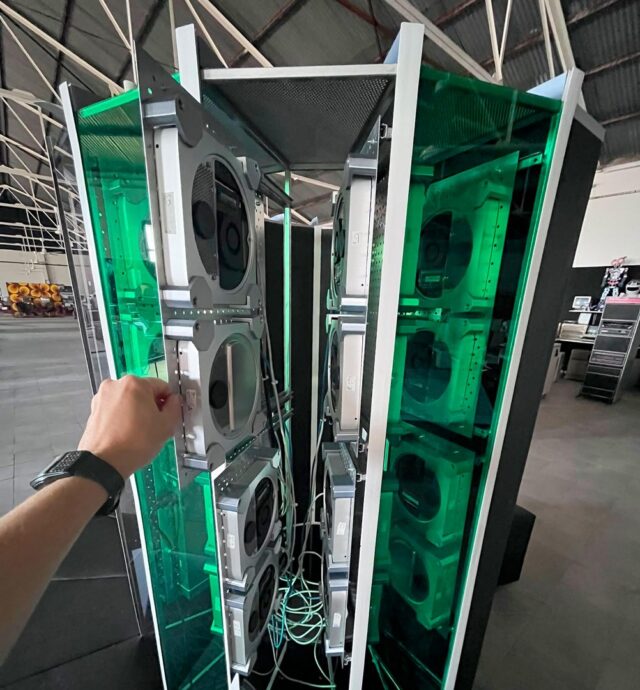
The Mac Minis consist mostly of 2012 dual-core i5 and a few quad-core i7 units, integrated into a steel rack that uses passive convection cooling. By mounting the Minis vertically with aluminum trays, the system achieves near-silent operation without fans, with only minor noise from network switches. This cooling design contrasts sharply with the loud fan arrays typical in modern data centers.
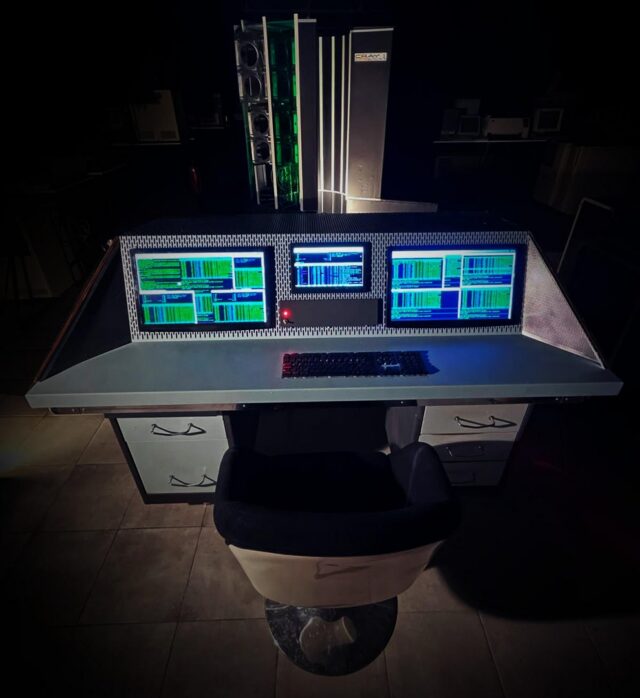
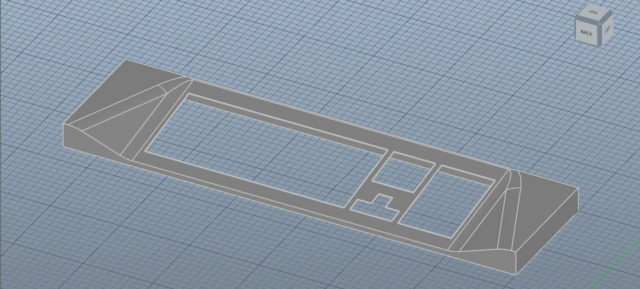
Museum visitors can watch the replica execute matrix algorithms in real time, illustrating computing performance scaling from a single core up to the entire cluster. A custom-built terminal styled after vintage 1970s computer consoles manages the setup, using one Mac Mini as a master node to control the cluster. Although initial plans included CRT displays, the team opted for modern flat panels for practical connectivity.
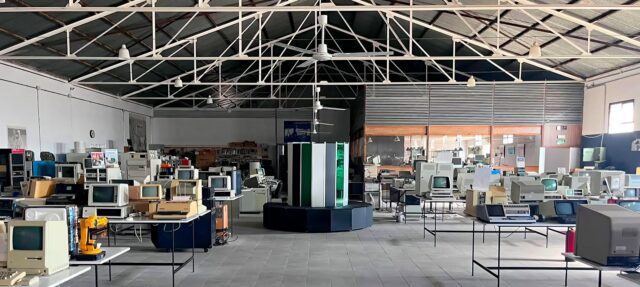
Looking ahead, the project team aims to crowdfund to expand the cluster with an additional 70–80 Mac Minis, potentially enabling the replica to achieve TOP500 supercomputer rankings. Currently, the replica is displayed alongside genuine Cray CX1 systems and is accessible on guided tours. This upcycling initiative offers a compelling historical and technical perspective on computing progress over the past five decades, from pioneering vector processors to distributed parallel clusters built from consumer hardware.

Sources and original reporting
Read the original source ↗
Comments (0)
No comments yet. Start the discussion.
Write a comment
Comments are published after moderation. Your name and comment will be visible publicly. Account