
Molten Industries Launches US Factory to Challenge China's Graphite Monopoly for EV Batteries
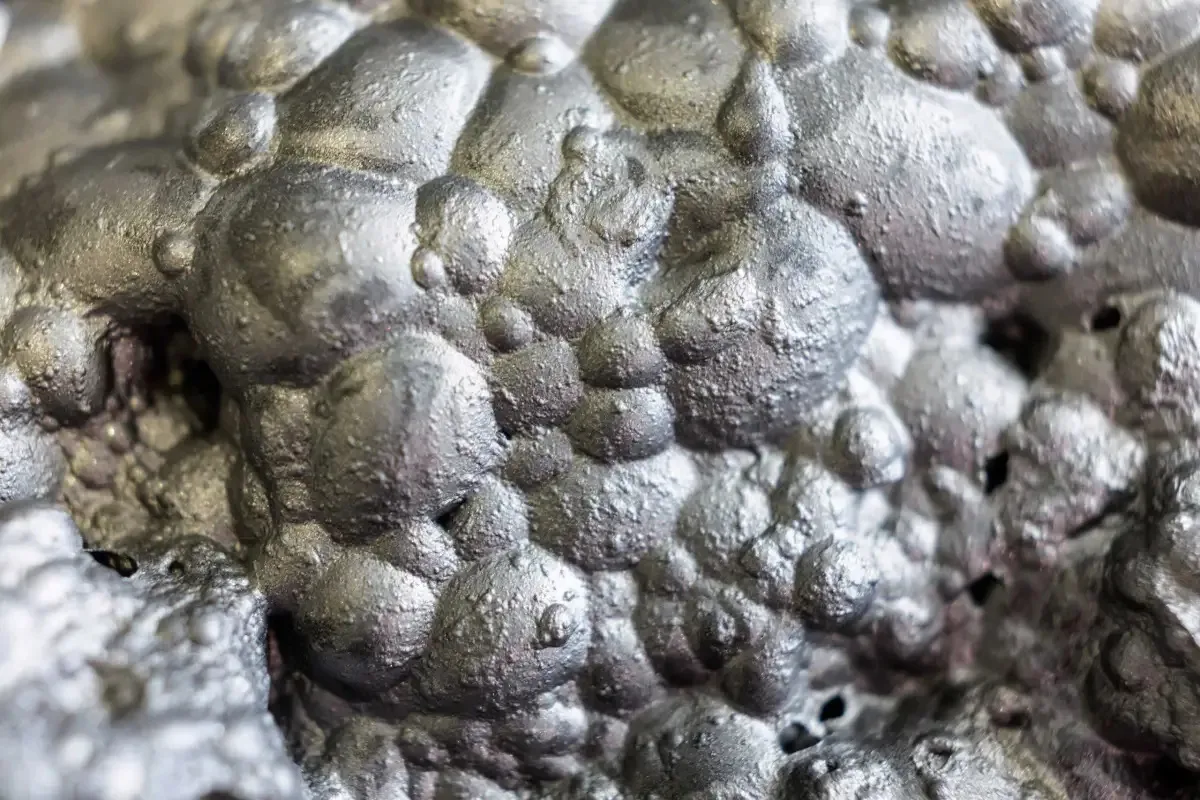
Image: TechCrunch · Source
Molten Industries has opened a demonstration plant in Oakland to produce battery-grade graphite domestically, aiming to weaken Chinese dominance in the graphite anode supply chain for lithium-ion batteries.
China currently dominates the global graphite market, particularly for lithium-ion battery anodes, controlling approximately 75% of the graphite anode supply chain and 97% of synthetic graphite production. This dominance poses a strategic challenge as demand for electric vehicle (EV) batteries grows rapidly worldwide. A U.S.-based startup, Molten Industries, has begun operating a demonstration factory in Oakland, California, to manufacture battery-grade graphite domestically. This move aims to disrupt China's near-monopoly and establish a competitive U.S. supply chain for EV battery materials.
Molten Industries' Oakland plant can produce around 300 metric tons of graphite annually, sufficient for approximately 4,300 EV batteries. The company strives to offer graphite at cost parity with Chinese imports, including tariffs, and anticipates that future facilities will achieve competitive costs even without such trade measures. The current plant output is being tested by undisclosed battery manufacturers.
The startup's proprietary technology involves electrical resistive heating to decompose methane into pure carbon and hydrogen. This process, likened metaphorically to a "massive toaster," claims to use three times less electricity than standard production methods and capitalizes on abundant and inexpensive U.S. natural gas. Methane molecules (CH4) split into carbon atoms for graphite production and hydrogen gas (H2), which Molten sells separately.
Both founders, Stanford PhDs Caleb Boyd (CTO) and Kevin Bush (CEO), initially aimed to produce clean hydrogen from natural gas with minimal pollution. However, during development, they discovered their process also yielded high-quality battery-grade graphite. This realization shifted the company's focus toward supplying graphite for batteries while continuing to market the hydrogen byproduct.
The company projects that supplying the U.S. battery market could also provide about one-third of the country's hydrogen demand. Furthermore, high-quality graphite could support additional applications, such as thermal batteries for energy storage.
Molten Industries views the Oakland facility as a pivotal milestone not only for their business but for the broader global battery supply chain landscape. Plans are underway to expand production by replicating this facility's design at larger scales, potentially breaking the longstanding Chinese grip on critical battery materials and enhancing U.S. industrial self-reliance in clean energy technologies.
Sources and original reporting
Read the original source ↗
Comments (0)
No comments yet. Start the discussion.
Write a comment
Comments are published after moderation. Your name and comment will be visible publicly. Account