
Google Awards $13 Million to Support 148 New PhD Fellows Advancing AI and Computer Science Research
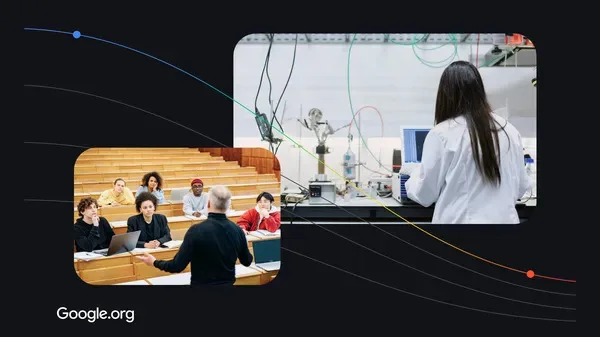
Image: Google · Source
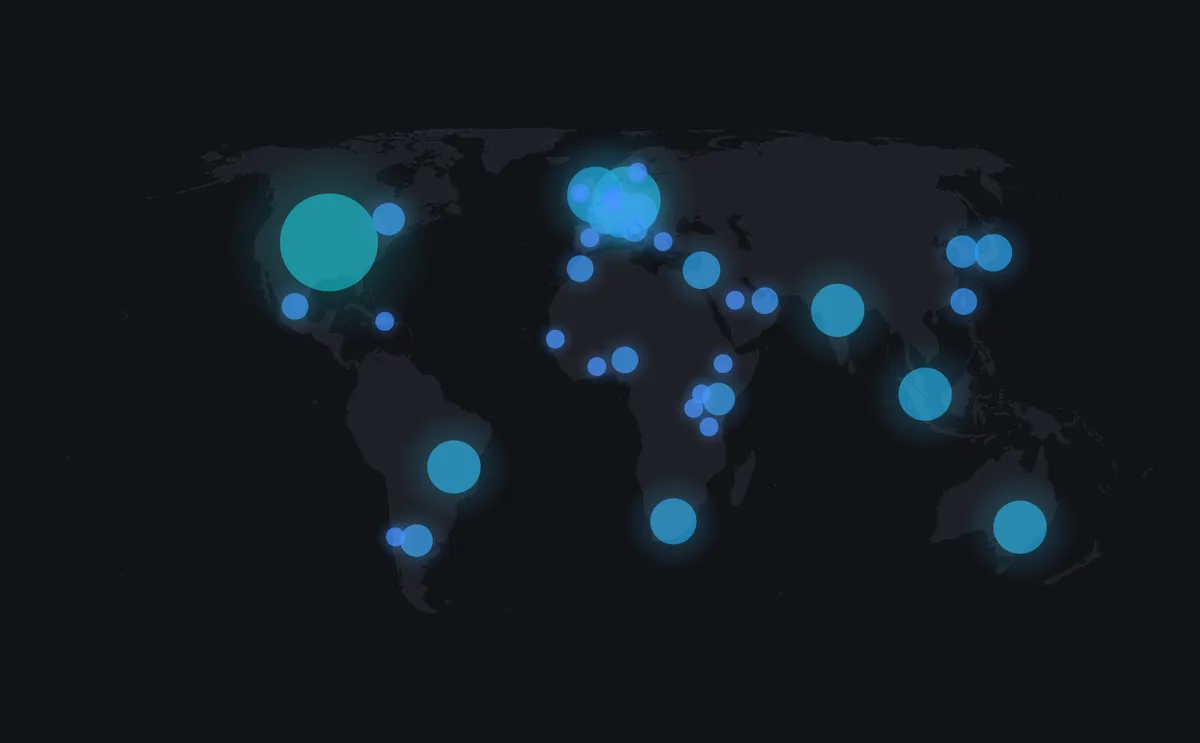
Google.org commits $13 million to back 148 early-career PhD researchers across 38 countries, focusing on health, accessibility, and hardware advances in AI and computer science.
Google.org has announced the 2026 cohort of its Google PhD Fellowship Program, awarding $13 million in funding to support 148 new PhD fellows from 38 countries. This initiative reflects Google's dedication to nurturing exceptional early-career scientists as they address foundational questions in AI and computer science that can lead to meaningful global breakthroughs.
The fellows’ research spans several impactful domains: advancing health and life sciences through projects such as representation-learning frameworks for genetic data in Brazil and enhancing interpretability of medical imaging neural networks in South Africa; building inclusive and resilient systems like natural language processing for Nigerian languages and accessible security tools for deaf communities in Germany; and pushing AI and hardware frontiers including the design of faster microchips in Taiwan, step-by-step reasoning algorithms for language models, and experimental quantum theory studies.
Each recipient receives direct funding, access to Google’s computational resources, and opportunities to engage with Google’s research community. This support enables early-career researchers to pursue ambitious, high-risk ideas and fosters collaboration within a global scientific peer network.
Since its inception in 2009, the Google PhD Fellowship Program has supported more than 1,100 graduate students worldwide, with alumni becoming leaders in academia, startups, open-source projects, and technology companies, including Google itself.
By investing in emerging scientists and foundational AI research, Google.org aims to cultivate a more representative and capable global scientific community, driving innovation that benefits people worldwide. The full list of 2026 fellowship recipients and details about their projects are available on Google’s official website.
Sources and original reporting
Read the original source ↗
Comments (0)
No comments yet. Start the discussion.
Write a comment
Comments are published after moderation. Your name and comment will be visible publicly. Account