
Tesla Launches Robotaxi Service in San Antonio, Expanding Texas Presence
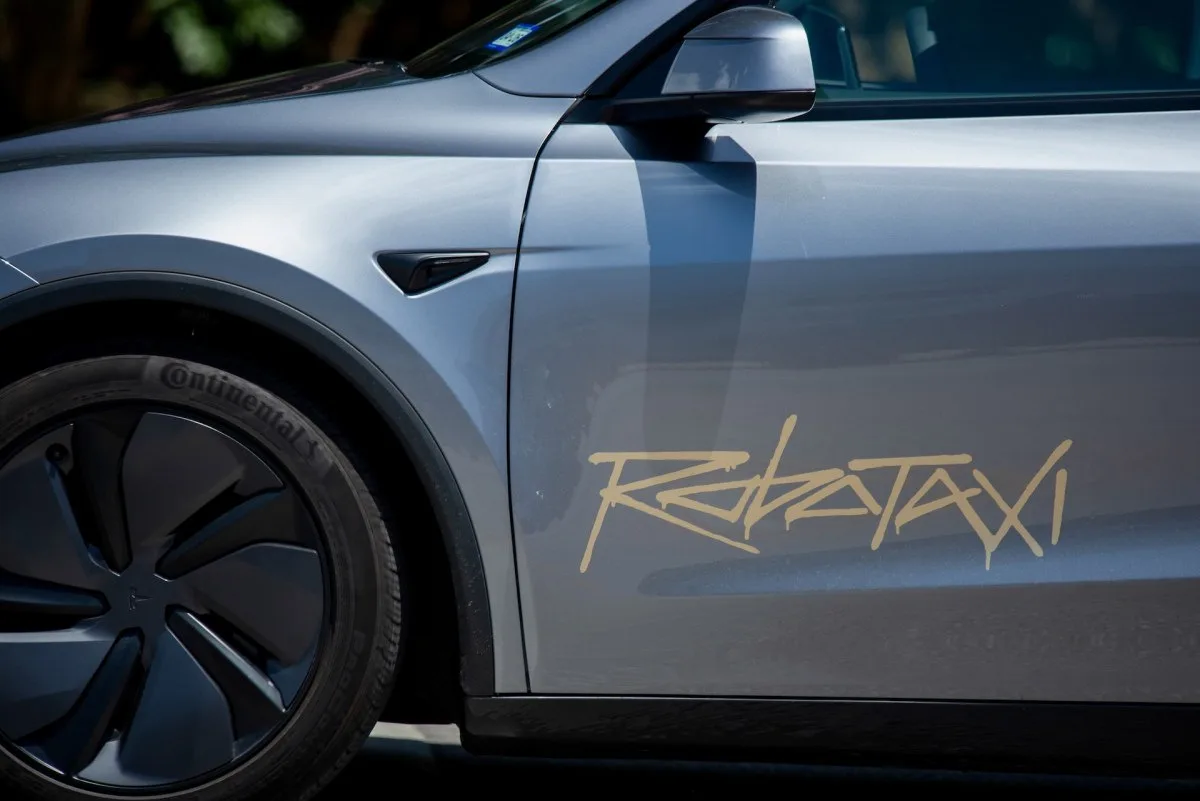
Image: TechCrunch · Source
Tesla has started its robotaxi operations in San Antonio, marking the company’s fourth Texas city with the service and continuing its expansion of autonomous vehicle offerings.
Tesla has extended its robotaxi service to San Antonio, Texas, becoming the fourth city in the state where the company operates this autonomous ride-hailing option. According to an announcement on Tesla’s social media platform X, the service began operating at 5 a.m. local time on Monday, signaling a continued push into the robotaxi market originally initiated in Austin in June 2025.
The company did not disclose detailed operational specifics such as the service’s hours, the types of vehicles deployed—including whether they feature the gold two-seater Cybercab or modified Model Y models—or if human safety drivers are present. Previous service launches by Tesla have typically started with a limited fleet operating within confined geographic zones before gradually expanding.
Tesla CEO Elon Musk has long championed a vision of fully autonomous vehicles. The initial rollout in Austin included safety drivers onboard, but in January 2026, Tesla transitioned to a fully driverless model in that city, marking an important step for the company's AI-driven approach reliant primarily on cameras and end-to-end artificial intelligence.
Beyond Austin, Tesla’s robotaxi operations have broadened to additional Texan cities such as Dallas, Fort Worth, and Houston as well as to Florida cities Miami and Orlando. However, the fleet sizes in these locations vary widely. Data from Texas vehicle registration records and the Robotaxi Tracker website indicate Tesla’s Austin fleet comprises over 400 autonomous vehicles, while other cities have notably smaller fleets—ranging from about two dozen vehicles in Fort Worth to just five in Miami.
Tesla’s expansion in San Antonio positions it in direct competition with Waymo, Alphabet’s autonomous vehicle subsidiary, which also operates robotaxis there. Waymo’s services in San Antonio had been temporarily suspended due to issues involving vehicles getting stranded in flooded areas but recently resumed operations.
Tesla additionally maintains a ride-hailing service in the San Francisco Bay Area operating under a transportation charter permit. Unlike its Texas robotaxi services, this operation involves human drivers and lacks the regulatory approval to run fully driverless robotaxis in California.
Despite this aggressive expansion, Tesla’s own data released in mid-2026 indicated a decline in miles driven with paying customers in its robotaxi network during the second quarter compared to the first, suggesting that usage growth has encountered challenges even as geographic availability increases.
Sources and original reporting
Read the original source ↗
Comments (0)
No comments yet. Start the discussion.
Write a comment
Comments are published after moderation. Your name and comment will be visible publicly. Account