
AI Spending Growth Stalls Despite Increased Usage as Anthropic Nears IPO
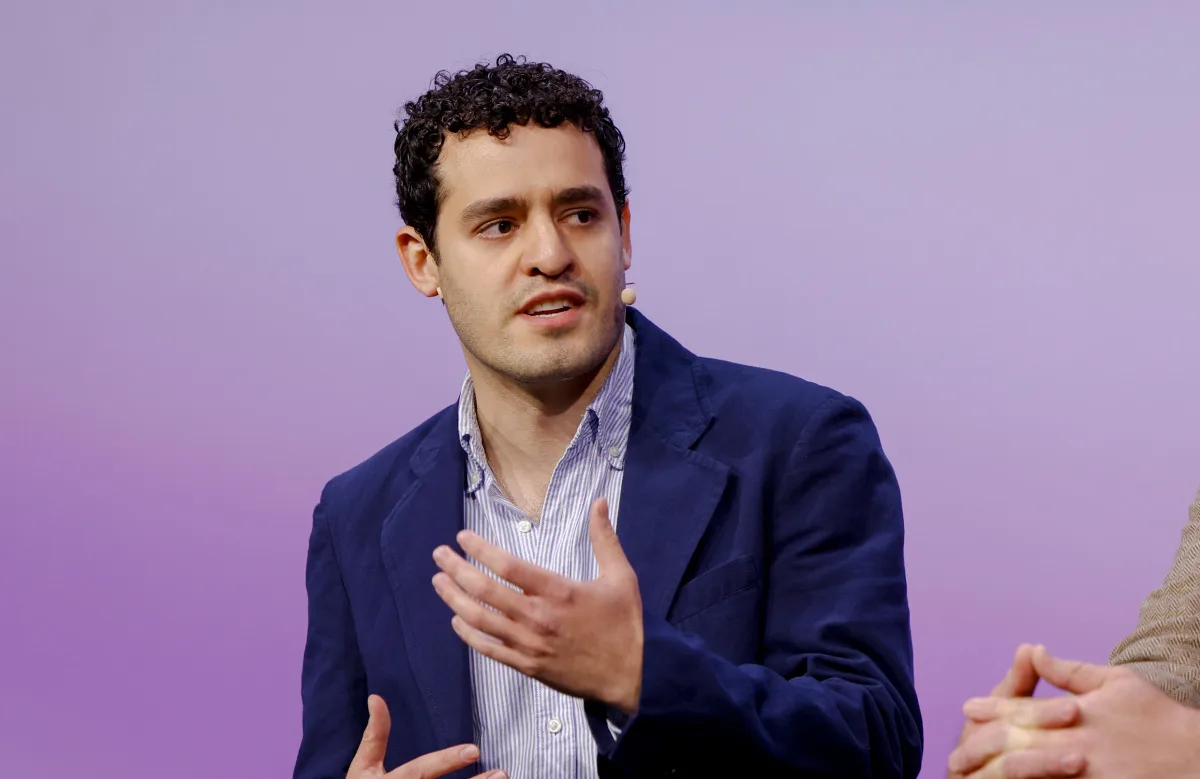
Image: TechCrunch · Source
Data from Ramp reveals that while AI usage continues to rise, spending growth has nearly plateaued, challenging expectations of sustained hypergrowth in AI revenues as Anthropic approaches its IPO.
Recent analysis from Ramp indicates that although companies are using more artificial intelligence (AI) than ever before, their spending on AI services has largely stalled. During late summer 2026, Ramp’s data shows AI spending growth almost flatlined, with token-based expenditures increasing only 1.5% over August and September. This contrasts sharply with a 42% spending increase observed in July. The volume of AI tokens processed continued to rise, emphasizing increased usage, but revenue growth has not kept pace.
Ramp's lead economist Ara Kharazian explained that most AI expenditure is concentrated among venture-backed, high-growth technology firms. The stalling of spending particularly among the top 1% of companies highly invested in AI—which briefly spent around $10,000 per employee per month during peak summer—signals a potential deceleration in overall AI revenue growth. While median companies spend between $12 to $15 per employee monthly, and the top 10% spend $600 to $1,000, demand patterns suggest that many sectors may not scale AI spending to the previously observed peak levels.
One prominent factor is intensified price competition. Both OpenAI and Anthropic have substantially reduced API prices—for example, OpenAI halved prices for GPT-6 Sol and GPT-6 Luna in September, and Anthropic followed with discounts on Fable 5.1 and Opus 5.5. These cuts have reduced revenue growth significantly; Anthropic noted a $600 million hit in growth due to pricing decisions. Enterprise discounts designed to lock in customers have not fully offset these impacts, resulting in a buyer’s market environment.
Furthermore, advancements in AI operational efficiency allow users to better manage and reduce costs. Companies increasingly employ cost controls, default settings that limit expensive model usage, and budget caps for employees. The availability of lower-cost or open-source models—such as Meta's, Nvidia's, various Chinese and American offerings, and new tools like Jev—enables completion of many AI workloads at reduced expenses, further constraining spending growth.
Despite these headwinds, October data showed some re-acceleration, with token spend increasing by 8.9% from late September to late October. Nevertheless, Kharazian warns that strong downward pressures on spending growth remain.
These trends have implications for AI companies’ valuations. Bloomberg has reported that Anthropic’s potential IPO valuation dropped from an early October estimate near $2 trillion to about $1.2 to $1.3 trillion and that credit agencies may assign it a junk rating. OpenAI also has lowered its proposed valuation and fundraising targets recently.
Ramp’s findings suggest that investor expectations for indefinite hypergrowth in AI spending should be tempered. While new use cases—such as personal AI agents—are anticipated to drive future growth, they may not match the economic productivity of earlier breakthroughs like AI coding assistants. Consequently, currently available commercial products and market data point to a slowdown in spending growth despite ongoing increased AI usage. This evolving landscape raises questions about the long-term revenue trajectories of leading AI providers.
Sources and original reporting
Read the original source ↗
Comments (0)
No comments yet. Start the discussion.
Write a comment
Comments are published after moderation. Your name and comment will be visible publicly. Account