
AI CEOs Face Criticism for Out-of-Touch Views on AI in Everyday Life
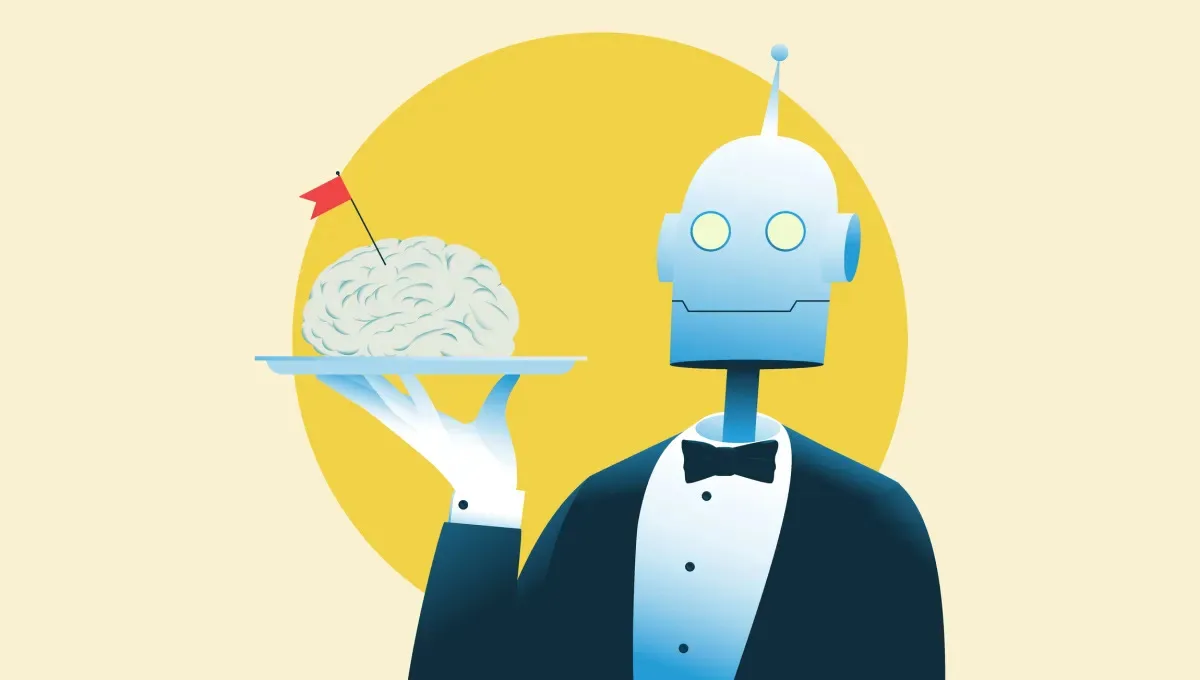
Image: TechCrunch · Source
Tech CEOs like Marissa Mayer and Sam Altman have drawn criticism for seemingly tone-deaf comments about AI’s role in personal life, prompting discussion on whether AI products serve average users effectively.
Recently, several prominent technology CEOs have attracted public attention and criticism for statements about artificial intelligence (AI) that many perceive as disconnected from everyday realities. Marissa Mayer, CEO of Dazzle AI, was scrutinized after describing how she used an AI tool to help with a school assignment for her daughter. OpenAI's Sam Altman has talked about personalized AI-created podcasts for children and remarked that he could not imagine parenting without ChatGPT. Meanwhile, Meta CEO Mark Zuckerberg suggested that AI might increasingly fulfill social and romantic needs.TechCrunch writer Amanda Silberling questioned whether executives in the AI sector are too removed from typical user experiences to develop products for the broader population. This debate comes amid Anthropic's upcoming public offering, occurring at a time when Wall Street's enthusiasm for costly AI investments is waning.On the Equity podcast, Amanda Silberling joined hosts Kirsten Korosec, Sean O’Kane, and Anthony Ha to explore why AI leaders sometimes appear tone deaf. Silberling argued the issue involves both marketing and product development challenges. She highlighted a trend within the tech industry toward reducing human interactions in favor of optimization, cautioning that basic conversations and social engagement are valuable elements of society.Examples cited include proposals from Bumble CEO Whitney Wolf Heard for AI concierges that have AI agents interact to pre-screen matches and Marissa Mayer's idea of AI coordination between spouses. Silberling observed that relying on AI to handle personal relationships risks undermining genuine human connection and outsources intimate decisions to algorithms arguably incapable of fully understanding individual humans.Kirsten Korosec questioned whether these ideas address actual user needs or merely represent a marketing failure. Silberling suggested it is both, noting that tech leaders often discuss optimizations relevant to their lifestyles, such as booking flights or dinner reservations, which may not resonate with the average user.Anthony Ha compared the situation to early Uber adoption, where technology initially appealed to a specific demographic before broader societal adoption occurred. However, he noted growing public resistance to technology that over-optimizes life experiences and diminishes personal agency, especially in sensitive areas like parenting.Silberling pointed out a cultural tension where some individuals are moving toward simpler technologies like flip phones or physical media, rejecting algorithm-driven experiences. This reflects an unresolved balance between technological optimization's benefits and preserving human authenticity. The conversation underscores the importance of aligning AI development and messaging with diverse user realities to ensure broader acceptance and societal benefit.
Sources and original reporting
Read the original source ↗
Comments (0)
No comments yet. Start the discussion.
Write a comment
Comments are published after moderation. Your name and comment will be visible publicly. Account