
Sony Unveils 50 MP LYTIA Sensor with Enhanced Low-Light Capabilities; Samsung's Adoption May Delay Until 2030
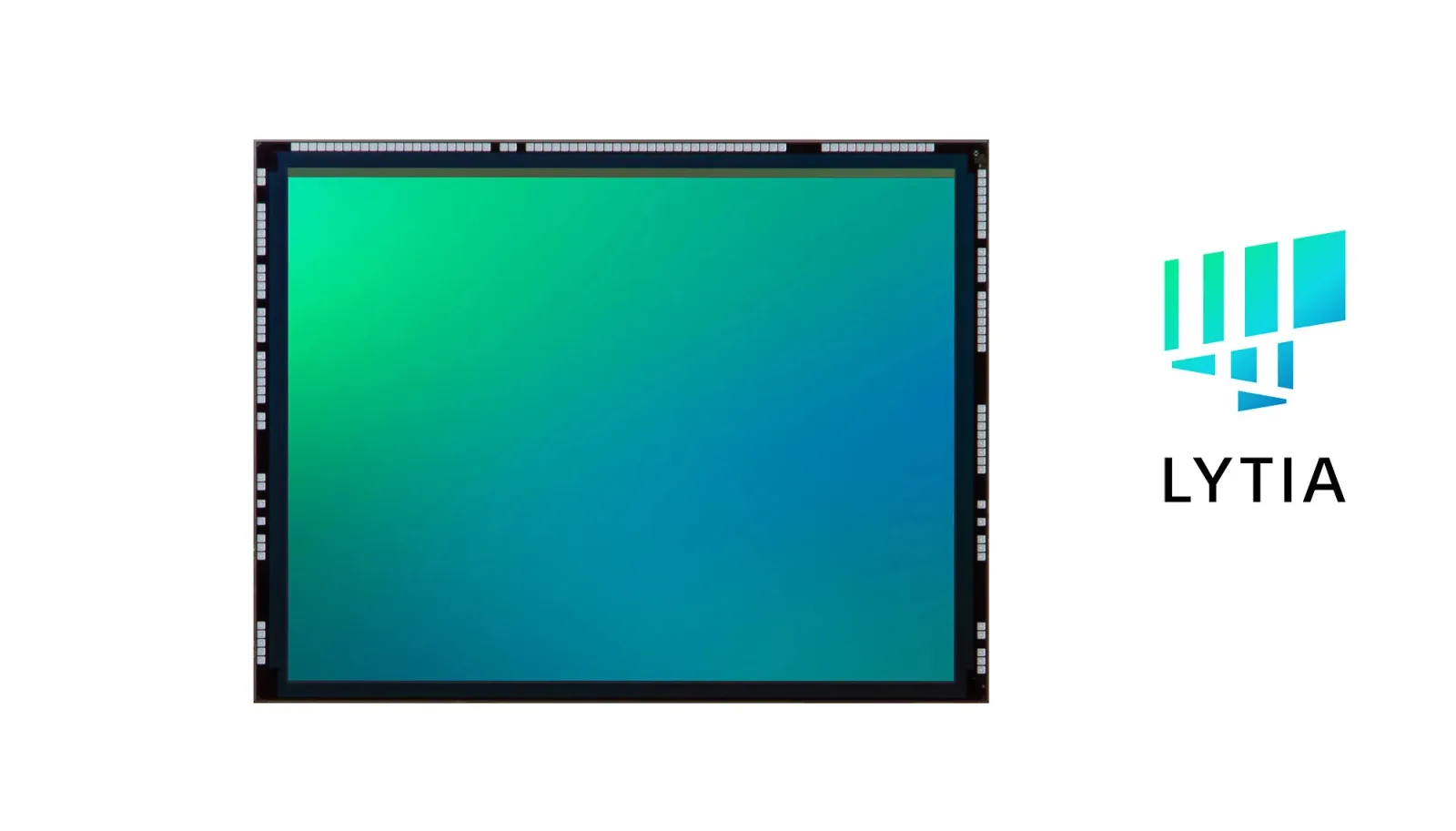
Image: PhoneArena · Source
Sony reveals its new 50 MP LYTIA sensor promising superior low-light performance, but Samsung may not integrate it into devices until 2030.
Sony has introduced its latest imaging innovation, the 50-megapixel LYTIA sensor, designed to deliver exceptional performance in low-light photography. This sensor stands out due to its relatively large physical dimensions, which contribute to its ability to capture more light and detail in dim conditions. The advanced sensor technology aims to improve image clarity and noise reduction, addressing common challenges in smartphone photography under limited lighting.
Despite this advancement from Sony, reports indicate that Samsung, a major player in smartphone manufacturing and a significant customer of Sony's imaging components, might delay incorporating the LYTIA sensor into its products. Industry insights suggest Samsung could wait until around 2030 before adopting this sensor technology for its devices. This postponement might be due to integration challenges, production planning, or development of alternative imaging solutions.
The introduction of the LYTIA sensor highlights Sony's commitment to pushing the boundaries of camera sensor technology, particularly in enhancing night and low-light photography experiences for users. Its large sensor size allows for increased light intake, potentially resulting in sharper images with better color accuracy and less noise.
While Sony leads in sensor development, the delayed timeline for Samsung's adoption underscores the complexities and strategic decisions involved in integrating new hardware into consumer products. This scenario maintains anticipation for future smartphone camera improvements and provides insight into the pace of technological adoption within the industry.
Currently, further technical specifications of the LYTIA sensor and details about which Sony or third-party devices will feature it first remain undisclosed, leaving room for additional announcements as the technology progresses.
Read the original source ↗
Comments (0)
No comments yet. Start the discussion.
Write a comment
Comments are published after moderation. Your name and comment will be visible publicly. Account