
NASA Estimates 22 Starship Launches Needed to Support Artemis Moon Lander Fueling
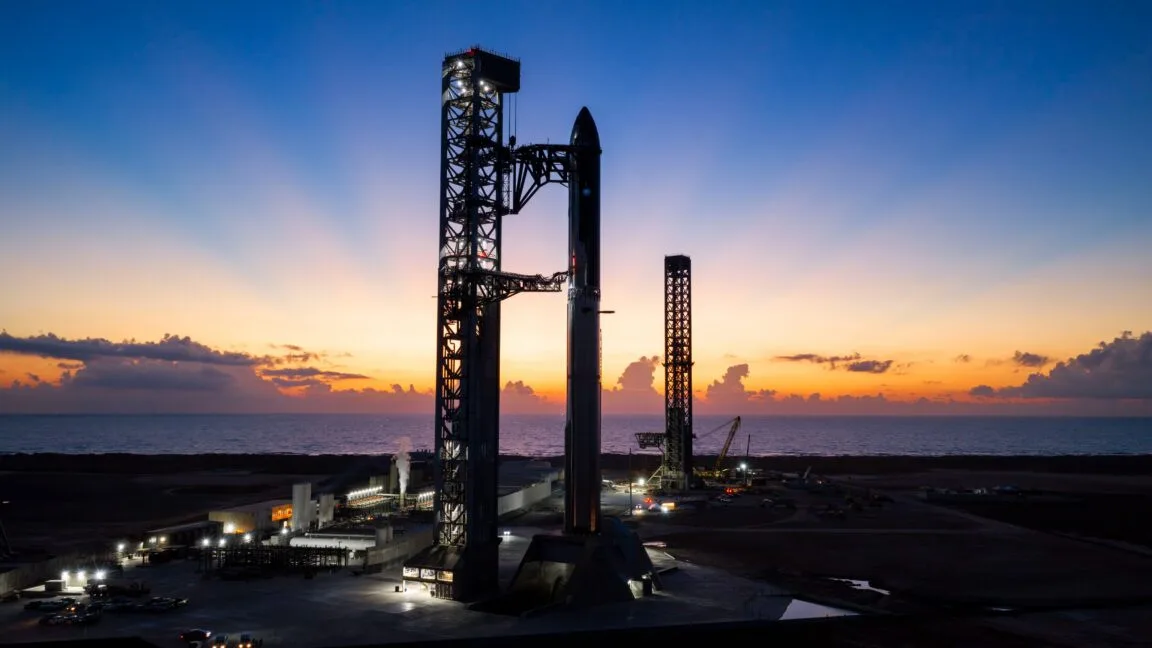
Image: Ars Technica · Source
NASA's latest estimate suggests around 22 SpaceX Starship launches may be needed to fuel a lunar lander in orbit for Artemis missions, highlighting logistical challenges for returning humans to the Moon.
NASA’s Artemis program aims to land humans on the Moon, relying partly on SpaceX’s Starship lunar lander and its complex orbital refueling requirements. Estimates for the number of Starship launches needed to fuel a lunar lander in low-Earth orbit have evolved over time, with NASA keeping exact figures closely held. Recent disclosures from the NASA Aerospace Safety Advisory Panel indicate that approximately 22 Starship launches may be required to fully fuel the lander for its lunar mission.
This estimate represents a significant increase compared to earlier approximations, which ranged from the high single digits to the low double digits, around a dozen launches. The fueling process involves launching a “depot” Starship followed by numerous “tanker” Starship flights that transfer liquid oxygen and methane propellant, essential for the lunar voyage and return. The large number reflects concerns about the current lift capacity of Starship and orbital propellant boil-off and transfer efficiency.
SpaceX founder Elon Musk responded to the 22-launch estimate, stating that the actual number should be closer to six to eight, reflecting optimism about technological improvements reducing the number of refueling flights needed.
The logistical challenge remains significant for NASA. Even with SpaceX’s ambitions to increase Starship launch rates to twice a week by 2027, fueling a depot for lunar missions could take about three months. NASA officials acknowledge these challenges while praising agency leadership for pursuing strategies to mitigate barriers and expedite the timeline toward a 2028 human lunar landing.
The complexities surrounding Starship’s operational capabilities and the exact number of launches needed underscore ongoing uncertainties. NASA remains actively engaged with SpaceX and other partners like Blue Origin, whose Blue Moon lander does not require orbital refueling for its initial missions, as the agency navigates the intricate technical and scheduling hurdles to return astronauts to the Moon this decade.

Sources and original reporting
Read the original source ↗
Comments (0)
No comments yet. Start the discussion.
Write a comment
Comments are published after moderation. Your name and comment will be visible publicly. Account