
Elon Musk Considers Merging SpaceX and Tesla to Accelerate AI and Computing Ambitions
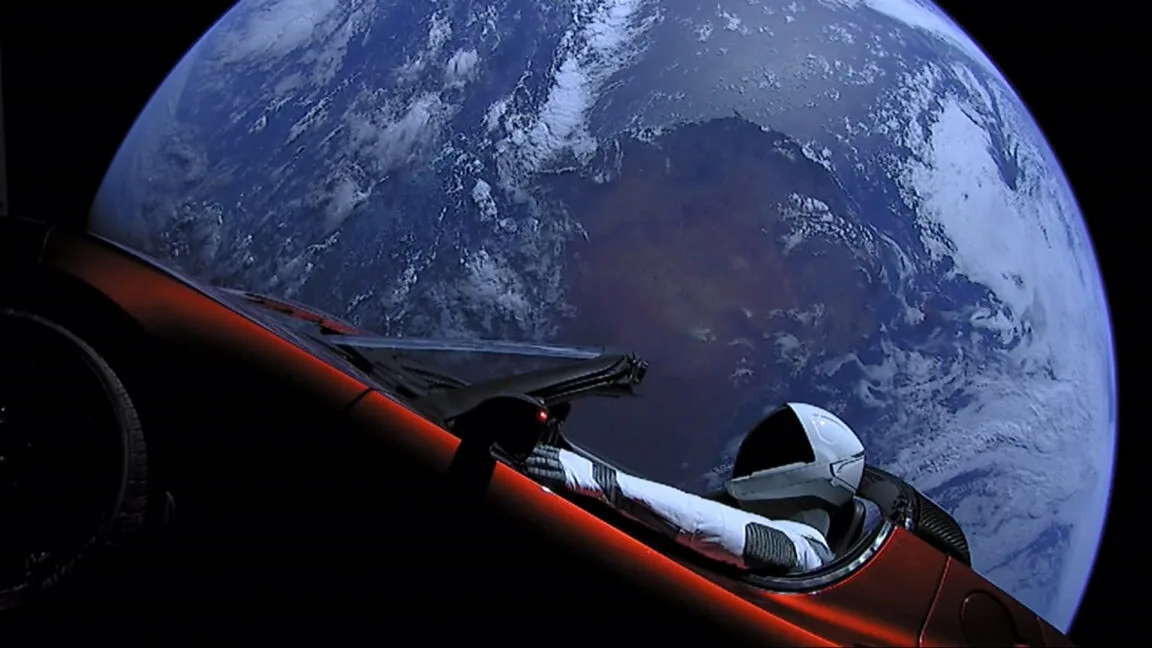
Image: Ars Technica · Source
Elon Musk expressed support for merging SpaceX and Tesla, citing synergies in AI development and computing infrastructure, though shareholder approval and regulatory scrutiny remain significant hurdles.
Elon Musk has publicly discussed the potential merger of his two flagship companies, SpaceX and Tesla, describing the idea as having considerable merit. Speaking during SpaceX’s third-quarter earnings call, Musk stated that while he personally supports the consolidation, the ultimate decision lies with shareholders who must approve the deal.
The conversation around merging these companies follows an eventful year: SpaceX acquired Musk’s AI startup, xAI, earlier this year and went public with the largest initial public offering ever recorded. In response to shareholder requests, both SpaceX and Tesla have formed special committees of independent directors to explore the possibility of a merger. Musk himself is not involved in these negotiations due to his potential conflict of interest.
Musk highlighted a range of strategic advantages that could arise from combining SpaceX and Tesla. He emphasized emerging overlaps as both companies increasingly focus on artificial intelligence. SpaceX aims to develop orbital data centers to serve as the computational backbone for AI, while Tesla is progressing toward advanced self-driving cars, robotics, and industrial hardware. A merge could foster collaboration on AI software, specialized chip design, robotics, and satellite-based connectivity through SpaceX’s Starlink constellation.
From a financial and control perspective, the merger could consolidate Musk’s influence. Although he holds a commanding 82 percent voting stake in SpaceX, his Tesla voting power stands at around 20 percent. A combined entity might grant Musk majority voting control of the merged firm, depending on valuation and deal terms. As of the announcement, SpaceX and Tesla were valued at approximately $2 trillion and $1.5 trillion, respectively.
However, the path forward includes significant challenges. Regulatory authorities in the United States are expected to scrutinize such a merger closely. Additionally, valuation disagreements could complicate negotiations, especially among Tesla shareholders. Musk noted that at least 50 percent of all Tesla shareholders would need to consent for the merger to proceed, with a formal vote contingent on the special committees reaching an agreement.
Politically, some leaders wary of Musk's expanding corporate influence may oppose the creation of an even larger conglomerate under his control. The ramifications for SpaceX’s traditional space missions—such as Mars colonization efforts—and Tesla’s electric vehicle goals remain unclear. Observers speculate that a merged company would likely pivot more toward artificial intelligence and computing infrastructure, potentially prioritizing silicon-based technologies over traditional space exploration and automotive manufacturing.
This prospective merger reflects Musk’s evolving vision of integrating aerospace, automotive, and AI technologies into a unified enterprise aimed at advancing next-generation computing and intelligent systems. Yet, the final outcome depends heavily on shareholder and regulatory approval processes that are still ongoing.
Sources and original reporting
Read the original source ↗
Comments (0)
No comments yet. Start the discussion.
Write a comment
Comments are published after moderation. Your name and comment will be visible publicly. Account