
Building Your Own VR Headset: A DIY Journey Through Relativty VR
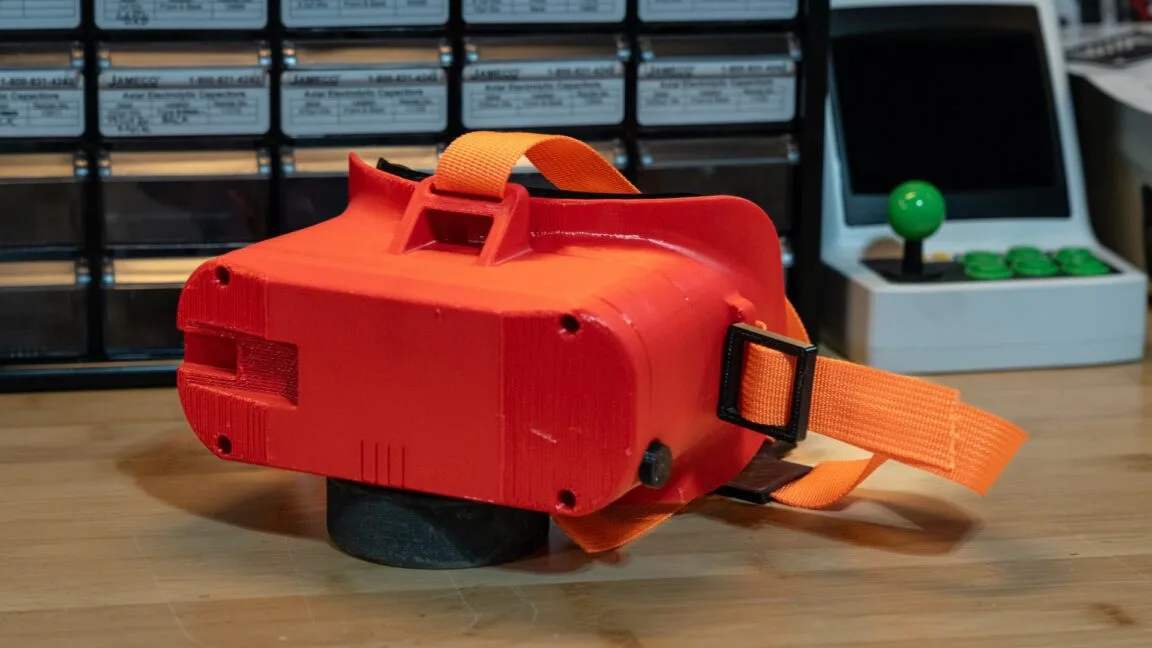
Image: Ars Technica · Source
DIY virtual reality headsets like Relativty VR offer enthusiasts a customizable, low-cost entry into immersive tech but come with challenges in hardware, software, and comfort that limit their appeal as daily drivers.
Virtual reality (VR) technology has experienced a rollercoaster of excitement and disappointment since its initial hype in the 1990s. After strong momentum following the 2016 Oculus Rift release and Apple’s Vision Pro announcement, VR’s broad consumer surge has slowed, with many companies reducing efforts. Amid this landscape, a niche community of enthusiasts has embraced do-it-yourself (DIY) VR hardware as both a hobby and an alternative to commercial VR headsets.
One notable open-source project, Relativty VR, originated from two developers who built their own headset as teenagers. Now matured, Relativty offers a complete suite of hardware designs, firmware, and PC software with SteamVR compatibility. Unlike mass-market devices, Relativty relies on user assembly involving soldering, 3D printing, and firmware flashing.
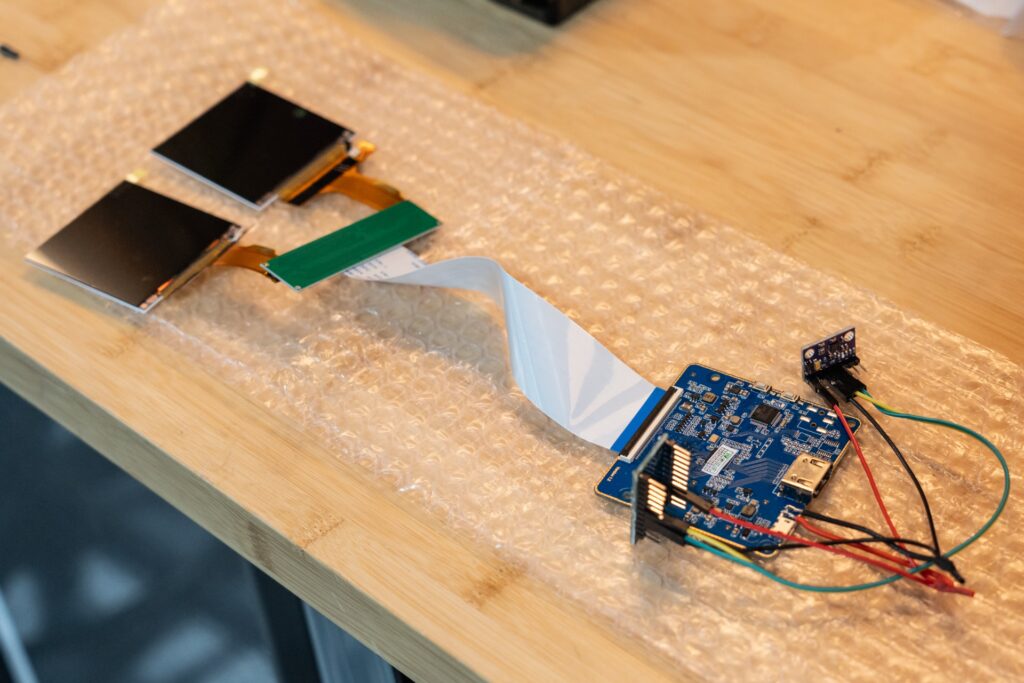
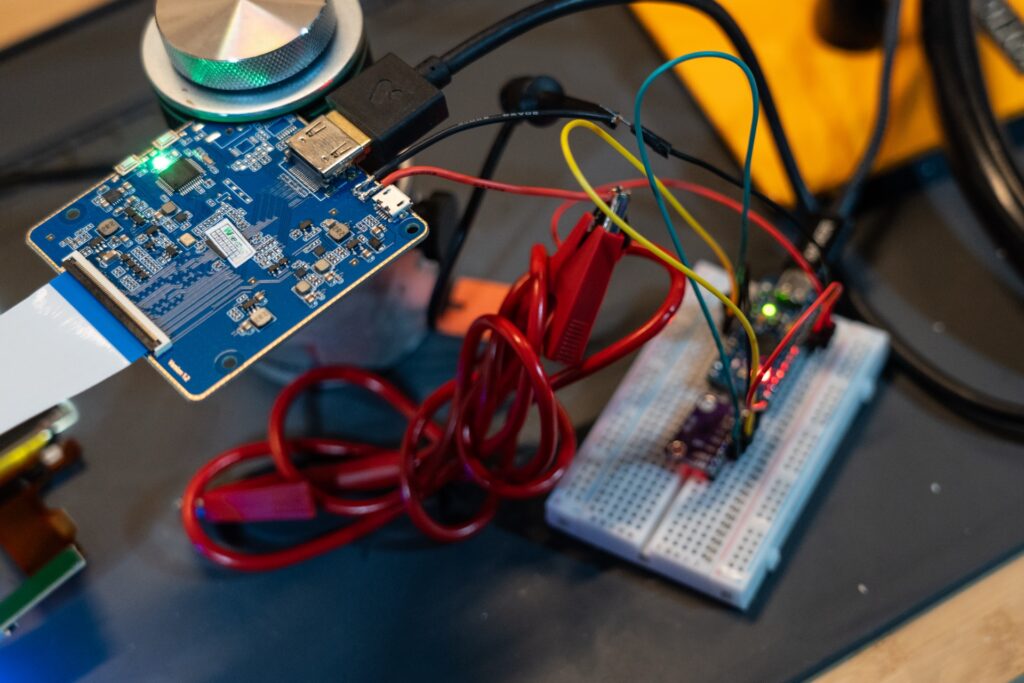
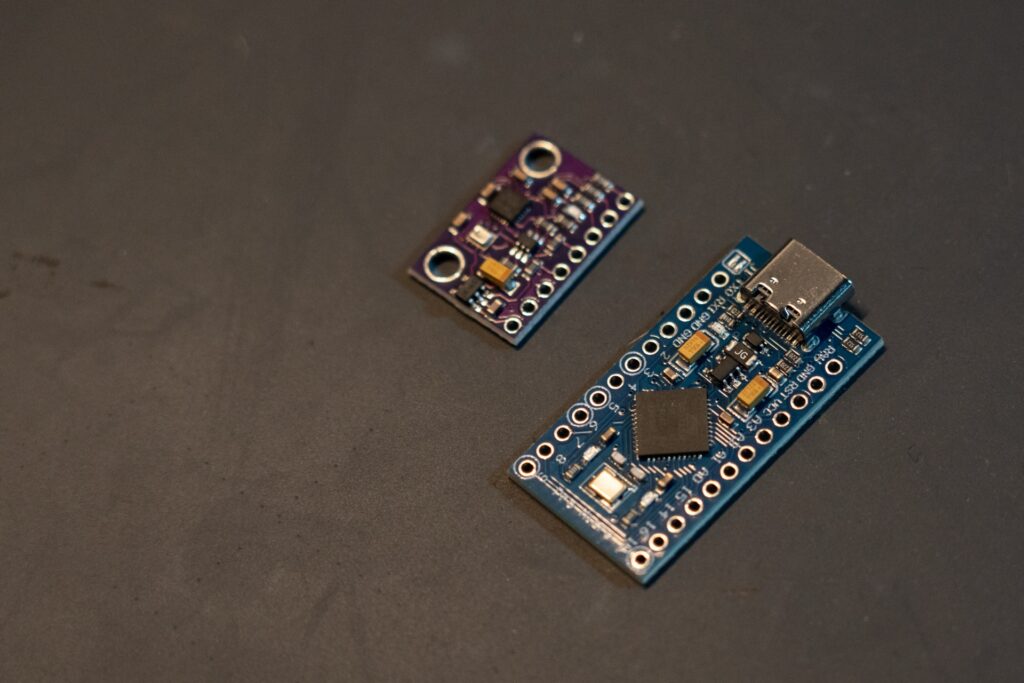
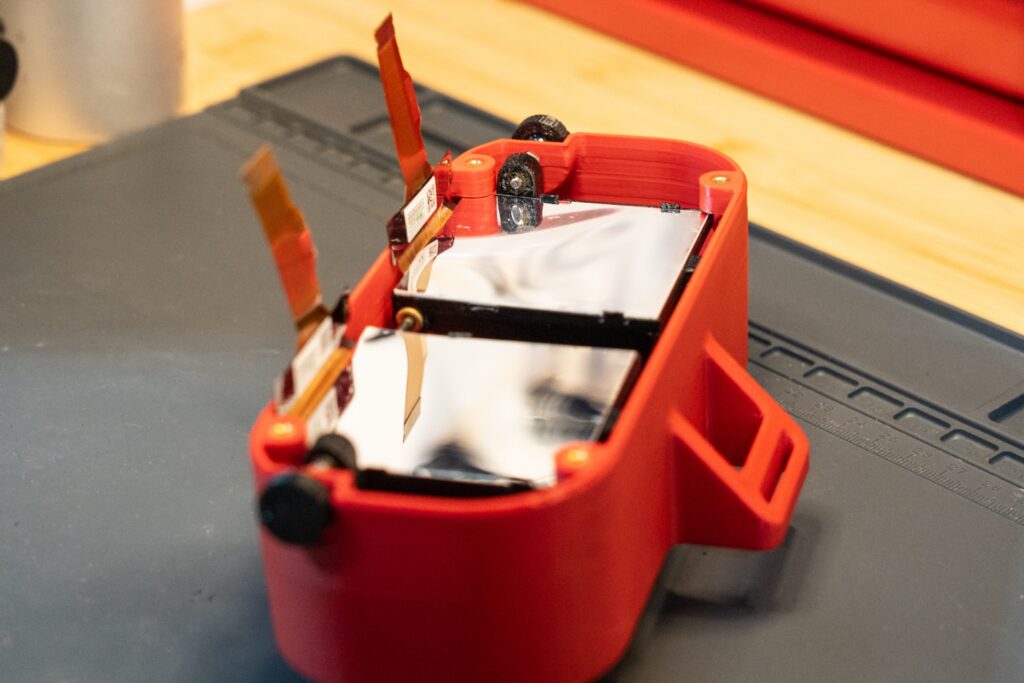
Constructing a functional copy of this headset costs roughly $180 for components, including high-resolution 2.9-inch LCD panels with 1440×1440 resolution, an inertial measurement unit (IMU) sensor module such as the GY-91 for tracking head movement, and an Arduino Pro Micro microcontroller. The precision of the IMU is crucial: lower-end or misrepresented sensors lead to tracking drift, affecting the VR experience as users reported persistent sensor inaccuracy and perspective shifts without recalibration.
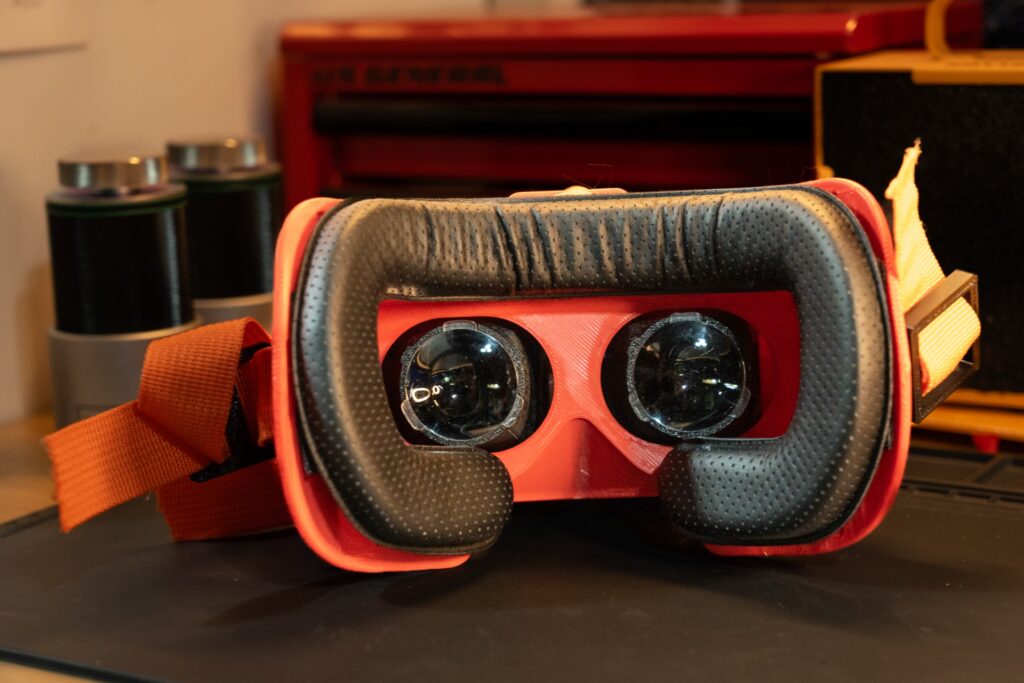
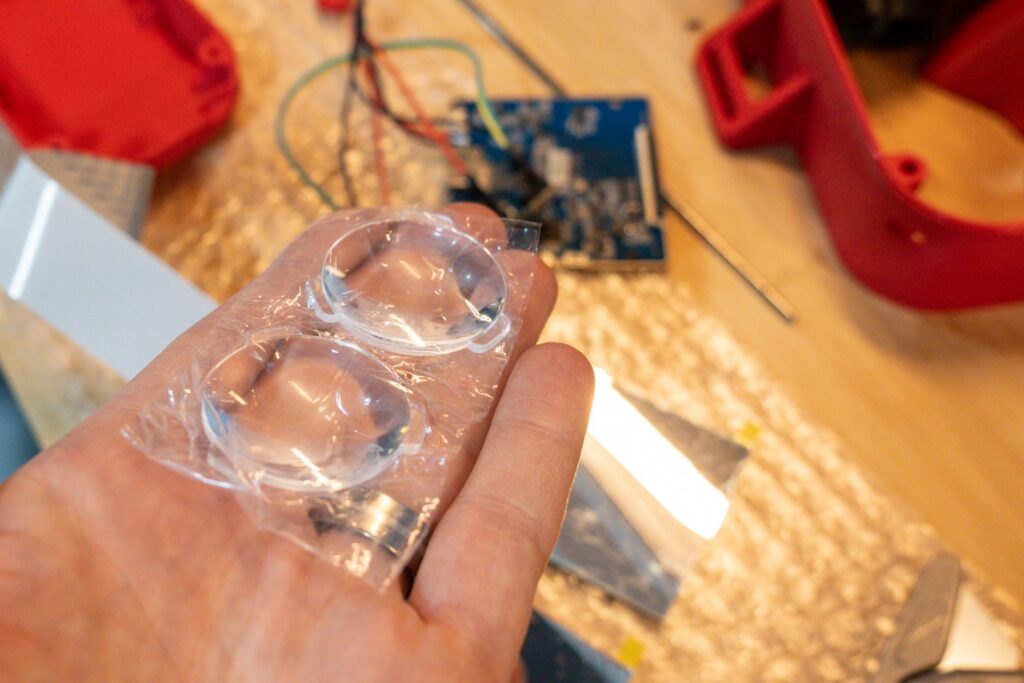
The mechanical parts mainly involve 3D-printed housing designed to fit these electronics, lenses to focus the displays, and foam padding harvested from commercial headsets for comfort. 3D printing accessibility is pivotal; users without a printer must rely on mail-order services, potentially slowing iteration.
Installing and configuring the software includes flashing Arduino-based firmware (FastIMU library), installing a custom SteamVR driver, and calibrating the headset’s tracking and display settings. The driver configuration demands careful setup with regards to display resolution, placement, and USB parameters to ensure VR content projects accurately to the screens.
While the visual fidelity and refresh rate (around 60 Hz) suffice for casual use, the overall comfort and tracking precision currently pale in comparison to commercial VR devices like the Meta Quest 3S. Enthusiasts face issues such as fragile displays that can break if handled incorrectly, imprecise sensor data causing nausea-inducing drift, and physical awkwardness because of novel but unrefined headset design.
Nevertheless, the Relativty VR project exemplifies the spirit of making VR hardware accessible and customizable through open-source tools. It serves as an educational platform highlighting the engineering behind consumer VR, and a foundation for potential improvements including higher-quality displays, better IMUs, wireless add-ons, and custom-fit enclosures.
Ultimately, DIY VR remains a rewarding but niche undertaking suited to hobbyists willing to invest time and patience to understand underlying VR systems. Those seeking seamless, reliable immersive experiences should currently favor consumer products; however, the learning and satisfaction from building an open-source headset provide an appealing alternative for makers and tinkerers within the VR community.
Sources and original reporting
Read the original source ↗
Comments (0)
No comments yet. Start the discussion.
Write a comment
Comments are published after moderation. Your name and comment will be visible publicly. Account