
NASA Solicits Industry Proposals for Private Space Stations to Succeed the ISS by 2030
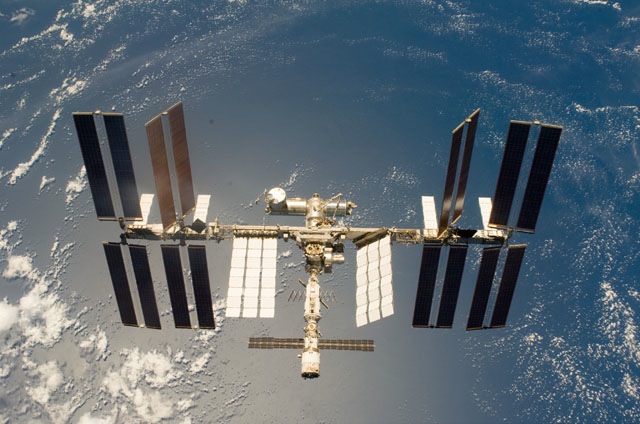
Image: Ars Technica · Source
NASA has issued a detailed request for proposals to develop private space stations that will maintain a continuous human presence in low Earth orbit after the International Space Station retires, aiming for operational capabilities by 2030.
NASA has formally invited the U.S. commercial space industry to develop private orbital platforms that will succeed the International Space Station (ISS) as a habitat for astronauts in low Earth orbit (LEO). The agency published a comprehensive 360-page request for proposals (RFP) on October 9, 2026, outlining technical and operational requirements for these future space stations. Responses from industry are due by December 8, 2026, with NASA planning to select at least two contractors in April 2027 for a contract phase worth a minimum of $100 million each.
In a statement accompanying the RFP release, NASA Administrator Jared Isaacman emphasized the agency’s commitment to maintaining a human presence in LEO, describing the commercial space stations as crucial platforms for scientific research, technology development, crew training, and preparation for deep space missions such as those targeting the Moon and Mars. This shift aims to leverage private sector innovation while allowing NASA to dedicate more resources to challenging exploration objectives.
Leading contenders expected to participate include Axiom Space, Voyager Space, and Vast Space. Blue Origin, previously funded by NASA, faces uncertainties about ongoing participation, and SpaceX currently appears unlikely to submit a bid. The competition will proceed in multiple phases, with later stages involving multibillion-dollar development contracts and mission purchases. NASA plans to buy at least four crewed missions to the private stations in subsequent phases.
A critical aspect of the RFP addresses crew transportation to and from these new stations. While earlier indications suggested private station operators would need to secure their own transportation, the current RFP removes this requirement. NASA is offering to provide or facilitate transportation for the first four crewed missions, acknowledging the complexities private companies face in both station construction and crew access. To support this, NASA has recently allocated an additional $359 million to certify Boeing’s Starliner spacecraft, one of only two U.S. crew vehicles certified to reach LEO (the other being SpaceX’s Crew Dragon, which SpaceX plans to retire around the ISS’s end of mission).
NASA has also explicitly set pricing benchmarks in its proposal, estimating a four-seat crew flight to cost approximately $325 million and cargo flights $300 million, with the agency absorbing initial flight costs to reduce burden on contractors.
Industry responses to the RFP have been positive. Marshall Smith, CEO of Voyager’s Starlab initiative, expressed confidence in their business strategy and technical readiness. Axiom Space and Vast Space also stated their active engagement and readiness to compete, highlighting their progress and expertise in human spaceflight and orbital infrastructure.
This new NASA initiative represents a pivotal step toward commercializing LEO habitats, ensuring sustained human presence in orbit post-ISS retirement around 2030 and fostering a new era of partnership between NASA and private companies in space station operations.

Sources and original reporting
Read the original source ↗
Comments (0)
No comments yet. Start the discussion.
Write a comment
Comments are published after moderation. Your name and comment will be visible publicly. Account