
Why BioWare's Neverwinter Nights Keeps Thousands of Players Engaged After Two Decades
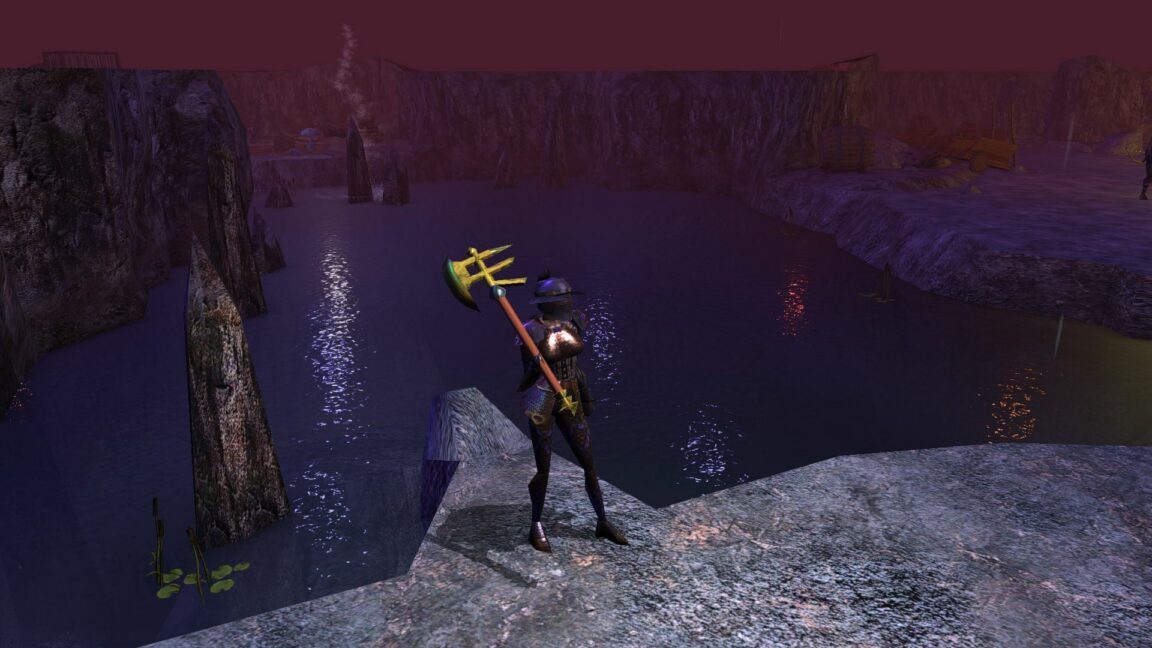
Image: Ars Technica · Source
Despite a modest single-player campaign, BioWare's Neverwinter Nights endures thanks to its robust multiplayer, modding tools, and tight-knit community, maintaining an active player base over 20 years after release.
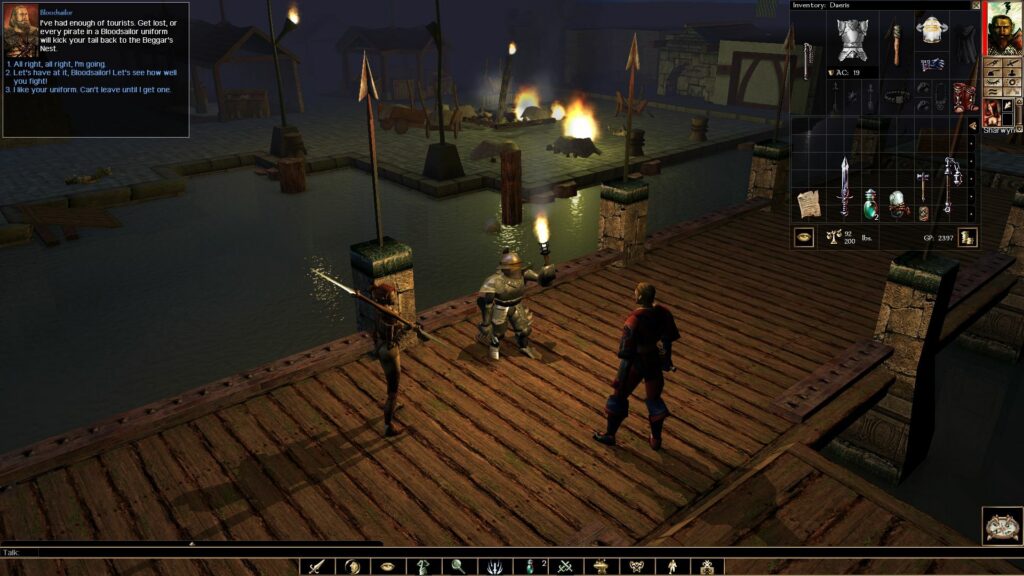
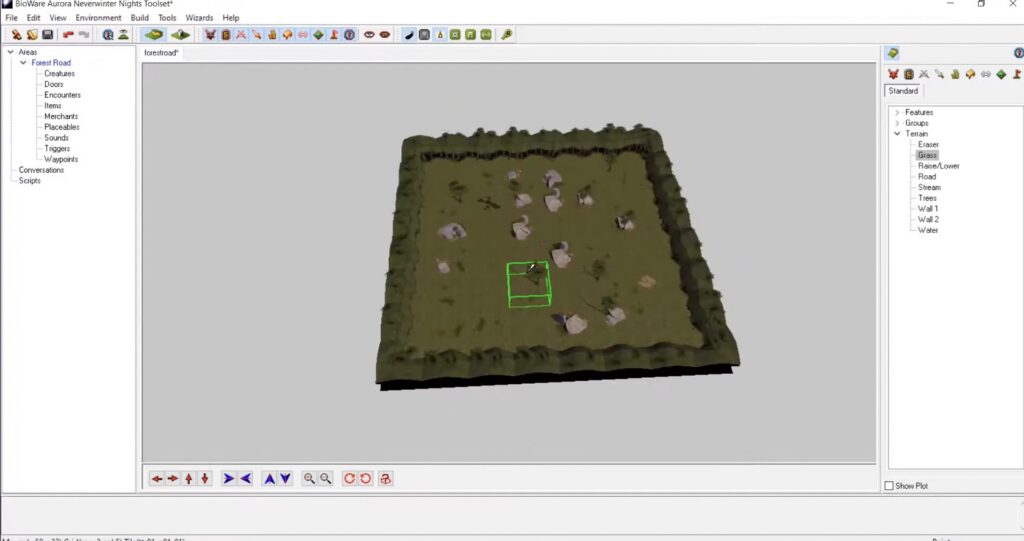
Neverwinter Nights, developed by BioWare—the studio behind acclaimed RPGs like Baldur’s Gate and Mass Effect—has sustained an active and dedicated community for over two decades, even though it never achieved the iconic status of some of its sibling titles. Unlike BioWare’s traditionally story-driven, single-player-centric games, Neverwinter Nights was designed with a dual focus: delivering a pre-packaged narrative and providing players with an extensive toolset for creating custom content and multiplayer experiences. This emphasis on modding and multiplayer support has been pivotal in maintaining its enduring appeal.
Released in the early 2000s, Neverwinter Nights was initially conceived partly as an experiment toward massively multiplayer online role-playing games (MMORPGs), reflecting the contemporary industry interest. However, the developers soon recognized the challenges of a full MMO and instead created a game supporting smaller player communities and a rich Dungeon Master role, enabling live improvisational gameplay reminiscent of tabletop Dungeons & Dragons.
BioWare envisioned Neverwinter Nights as a game built on four pillars: single-player, multiplayer, Dungeon Master tools, and content creation modules. While the single-player campaign, such as "The Wailing Death," offers a competent but unremarkable experience compared to BioWare’s landmark titles, it was never the centerpiece. The single-player mode is limited by focusing on controlling a single character rather than a party, which can feel monotonous under the D&D ruleset used.
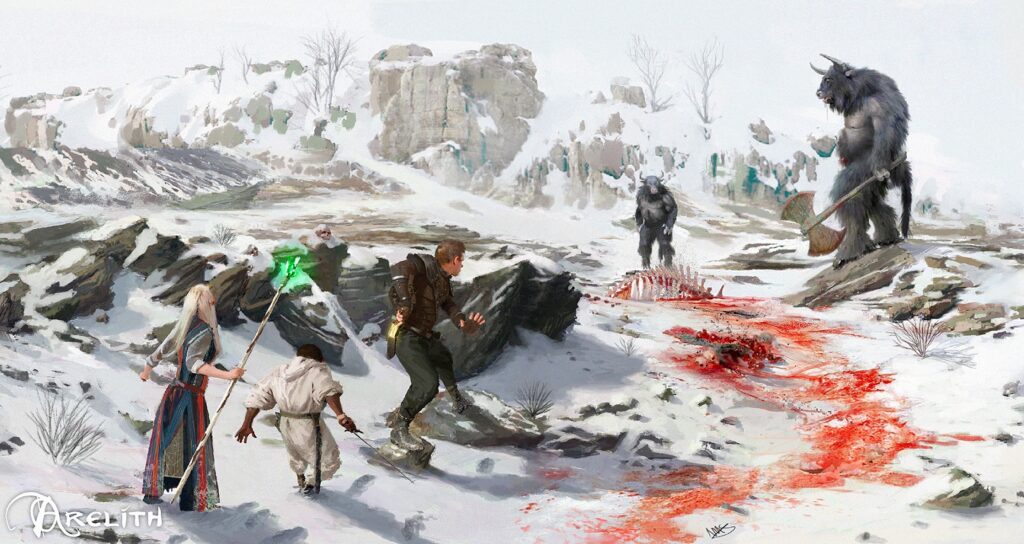
The game’s defining strength lies in its multiplayer persistent worlds and the robust, accessible modding framework it provides. Communities like Arelith—a persistent multiplayer server still active and popular nearly 20 years later—demonstrate the game’s unique appeal. These servers are smaller, more intimate, and allow player actions to significantly impact the world, offering a tabletop role-playing experience translated into the digital space. The community actively maintains and enhances the game with new content, modifications, and even visual overhauls.
Players involved in these communities often have professional or technical backgrounds related to game development, using Neverwinter Nights both as a creative outlet and a platform for applied skills. The game’s relatively simple tile-based design, combined with powerful scripting capabilities, makes it approachable for content creators, fostering a vibrant ecosystem of user-generated campaigns and multiplayer scenarios.
In recent years, a resurgence of interest has been noted, partly fueled by niche social media trends. New and veteran players alike engage through active online servers, with some community members achieving hundreds of thousands of views on platforms like TikTok. Enhanced Editions of the game remain available on digital storefronts such as GOG, continuing to support both single-player and multiplayer experiences.
Ultimately, Neverwinter Nights endures not because of its original story campaigns but because of its community and the unique role-playing opportunities it facilitates. It occupies a distinctive niche that blends the creative freedom of tabletop gaming with the collaborative potential of online multiplayer, securing its legacy more as a platform than a conventional RPG.

Sources and original reporting
Read the original source ↗
Comments (0)
No comments yet. Start the discussion.
Write a comment
Comments are published after moderation. Your name and comment will be visible publicly. Account