
ESA Urges USTR to Label Anbernic Handhelds as Piracy-Linked 'Superfakes'
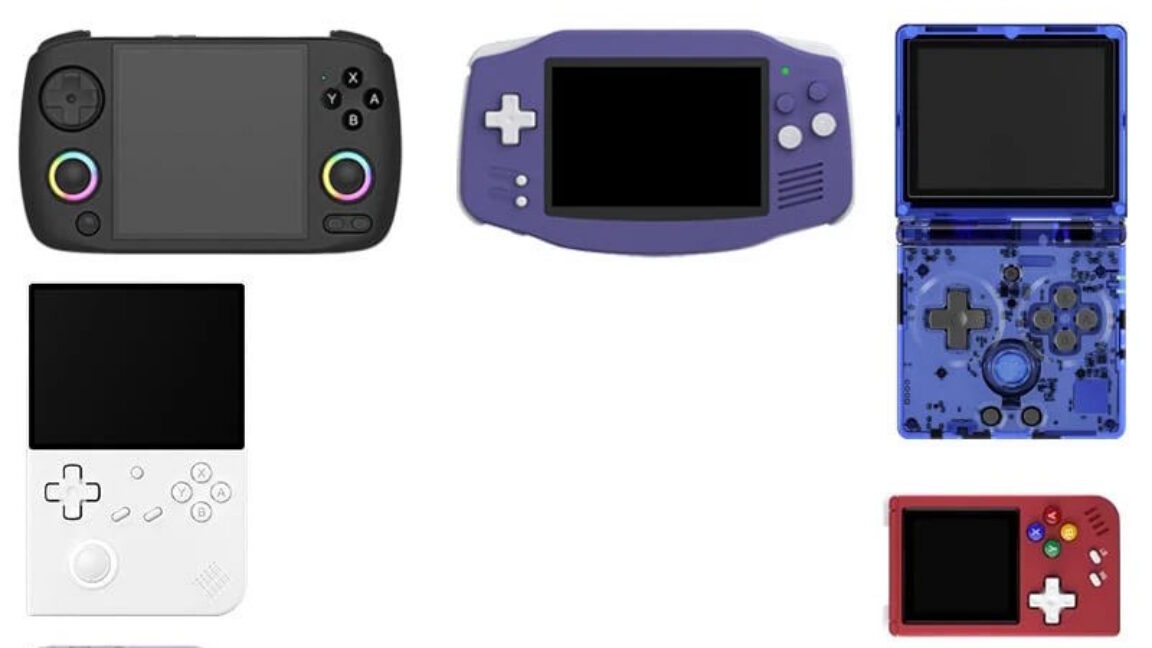
Image: Ars Technica · Source
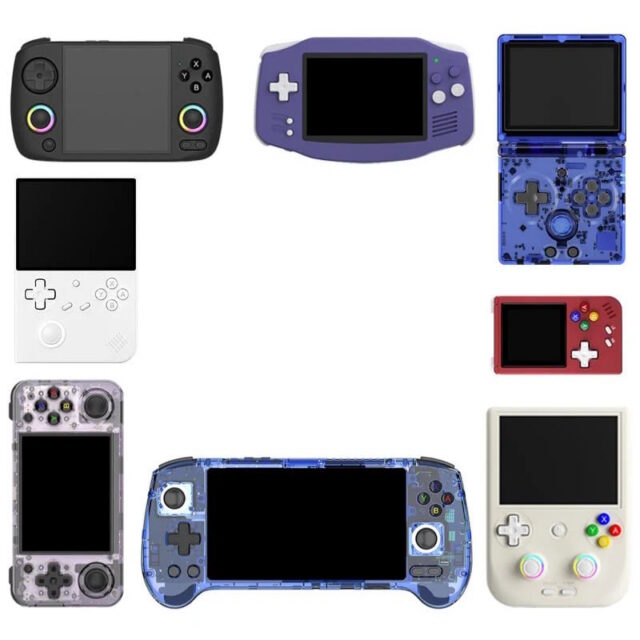
The Entertainment Software Association seeks to have Anbernic emulation handhelds added to the USTR’s Notorious Markets list, citing the sale of devices bundled with unauthorized game ROMs by third parties.
Chinese manufacturer Anbernic has become the focus of a recent campaign by the Entertainment Software Association (ESA), a prominent US gaming industry trade group, which includes major publishers like Nintendo, Microsoft, and Sony. The ESA has formally requested that the US Trade Representative (USTR) add Anbernic to its Notorious Markets list, a designation targeting entities involved in substantial copyright piracy or trademark counterfeiting.
This move hinges on Anbernic's popular handheld gaming devices, designed primarily for retro game emulation and Android gaming. The ESA asserts these devices are “routinely offered or shipped with removable memory cards preloaded with hundreds or thousands of unauthorized copies of copyright-protected video games,” specifically titles owned by ESA members. However, investigations indicate that the manufacturer itself does not distribute these ROM-filled SD cards when selling devices directly via its official channels.
The ESA's concern revolves around third-party sellers who commonly bundle Anbernic hardware with unauthorized ROM collections, effectively normalizing piracy by packaging illicit software with legitimate hardware through widely accessible retail platforms. The ESA labels these products as “superfakes,” a term the USTR uses for high-quality counterfeit goods distributed on a commercial scale.
Being listed as a Notorious Market would not directly impose legal penalties on Anbernic but would encourage intensified enforcement actions against piracy, raise public awareness, and signal potential for future trade investigations or import restrictions under Section 301 provisions.
This development underscores a growing tension in the emulation hardware market. Historically, manufacturers and distributors maintained a separation from illegal ROM distribution, emphasizing legitimate emulator software while disclaiming any involvement with infringing content. However, the rise of third-party online sellers aggressively marketing devices preloaded with vast unauthorized game libraries has eroded this distinction.
The ESA criticizes major e-commerce platforms such as Amazon and eBay for allowing the widespread sale of these infringing products, suggesting that targeting hardware manufacturers like Anbernic may be misdirected. Despite this, the ESA’s submission to the USTR reflects its intent to curb the mainstream commercialization of pirated games facilitated by devices like those made by Anbernic.
As the emulation community and retro gaming markets continue to evolve, this case highlights ongoing challenges in balancing legitimate hardware innovation with the enforcement of intellectual property rights in digital entertainment.

Sources and original reporting
Read the original source ↗
Comments (0)
No comments yet. Start the discussion.
Write a comment
Comments are published after moderation. Your name and comment will be visible publicly. Account