
Nvidia Expands Halos Safety System to Robotics for Safer Physical AI Deployment
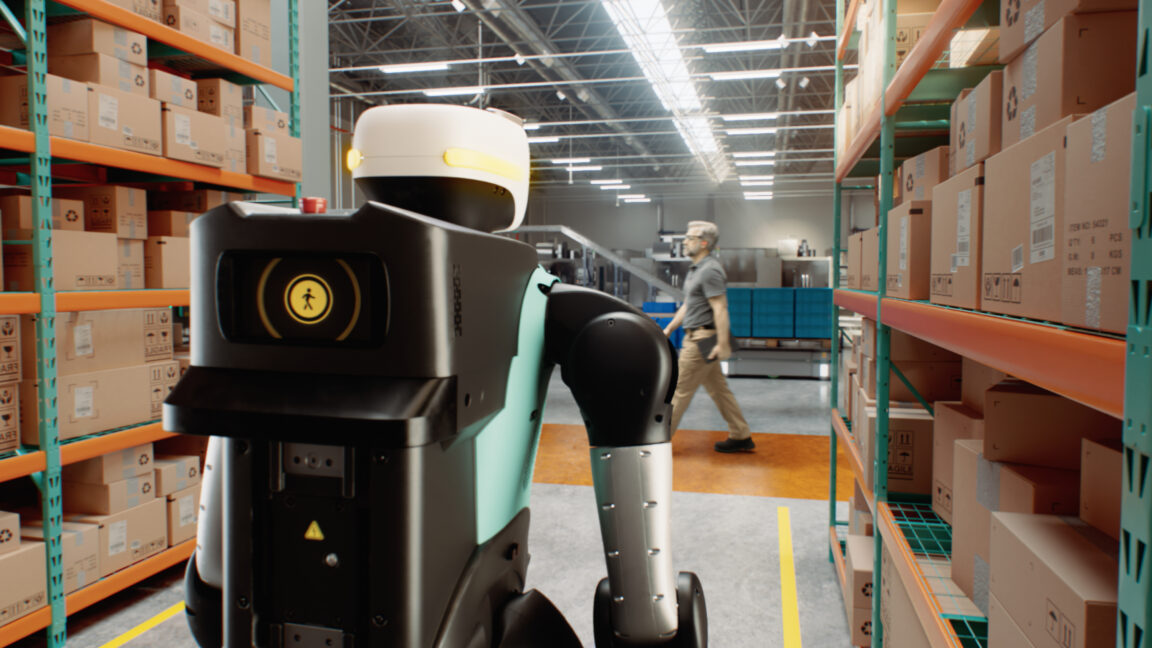
Image: Ars Technica · Source
Nvidia extends its Halos full-stack safety system from autonomous vehicles to robotics, enabling safer robot operations in factories and warehouses with integrated hardware, software, and certification support.
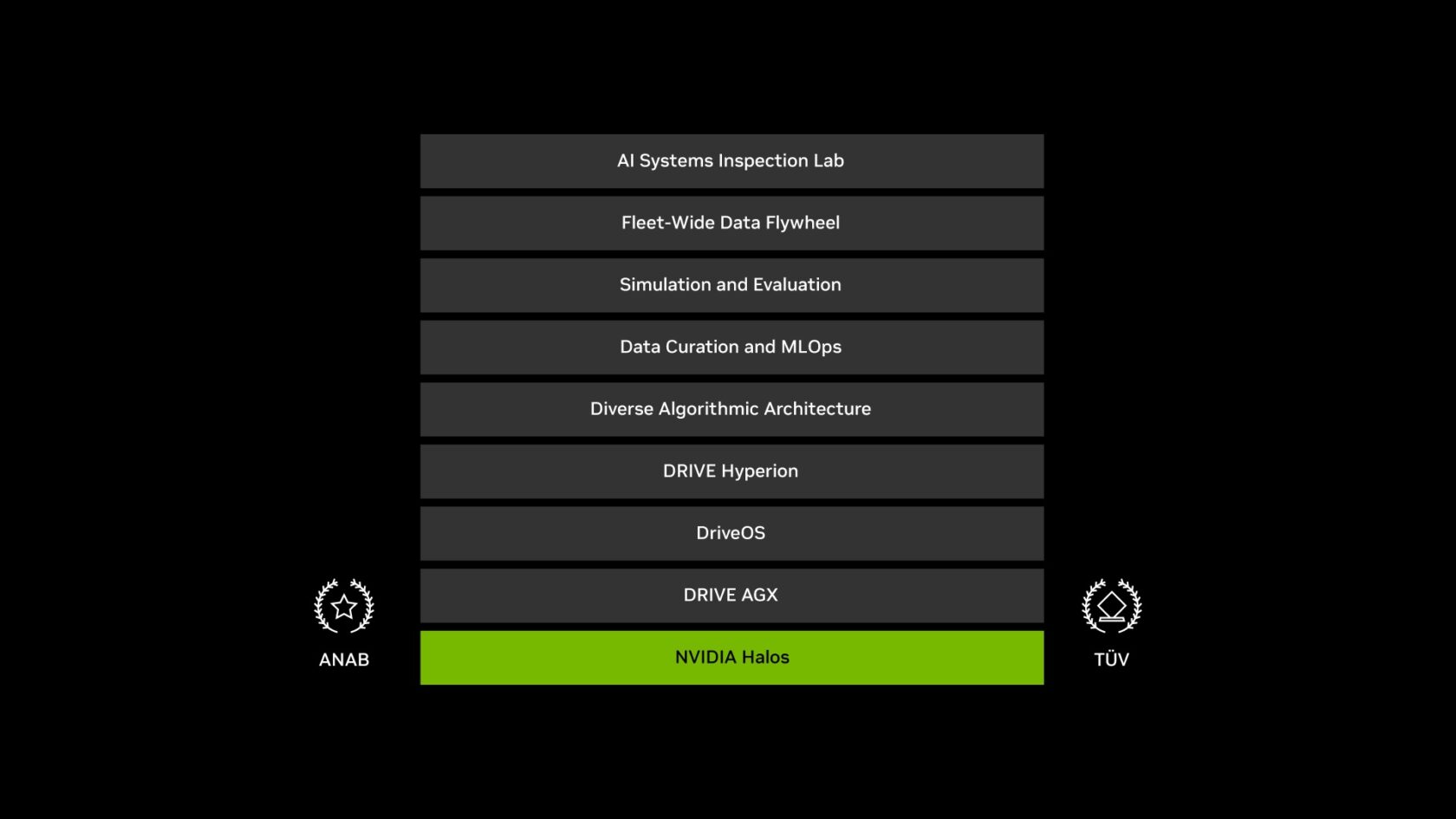
Nvidia continues its strategic investment in physical AI technologies by expanding its comprehensive safety system, Halos, beyond autonomous vehicles to include robotics. Originally launched in 2025 for self-driving cars, Nvidia Halos now encompasses a full-stack safety architecture designed to enable safer deployment of autonomous mobile, humanoid, and surgical robots. This development aims to address the emerging safety bottleneck as AI capabilities and robot hardware advance rapidly.
Nvidia Halos for Robotics integrates industrial-grade AI compute hardware like the Nvidia IGX Thor module, which features dedicated safety processors, alongside the Halos OS software stack that enables constant monitoring of hardware and software components to detect failures swiftly. The system also incorporates the Holoscan Sensor Bridge to securely connect and validate sensor data for real-time safety-critical processing. Additionally, Nvidia offers simulation tools and an AI Systems Inspection Lab accredited for testing and guiding robotics companies toward third-party safety certifications.
Robotics safety poses unique challenges compared to autonomous vehicles, requiring customizable safety functions to accommodate diverse environments and applications—from robotic vacuums to forklifts. Nvidia’s open and programmable platform addresses this need while maintaining control over safety infrastructure.
Leading robotics firms are already adopting Nvidia Halos. Agility Robotics integrates the system into its Digit 5 humanoid robot, enabling it to operate safely without external sensor infrastructure, thus increasing operational flexibility in warehouses and factories. Boston Dynamics also participates in Nvidia’s safety accreditation program for its Spot, Stretch, and Atlas robots. Other partners include Germany’s KION Group for self-driving forklifts and South Korea’s LG developing humanoid robots based on Nvidia’s Isaac GROOT AI models.
The Halos platform builds on Nvidia’s extensive experience in automotive safety, bringing over 18,600 engineering years of expertise and numerous safety certifications into the robotics domain. It supports safe, scalable physical AI deployment in complex, real-world environments alongside human workers.
As industries push toward generalized, multi-functional robots working in dynamic spaces, Nvidia’s Halos safety system offers a foundational framework combining hardware, software, simulation, and certification support. This end-to-end approach aims to accelerate the adoption of safe, reliable physical AI applications across manufacturing, logistics, and beyond, helping unlock the full potential of autonomous robotic systems.

Sources and original reporting
Read the original source ↗
Comments (0)
No comments yet. Start the discussion.
Write a comment
Comments are published after moderation. Your name and comment will be visible publicly. Account