
Nobel Prize Honors Pioneers of Optogenetics, Using Light to Control Brain Cells
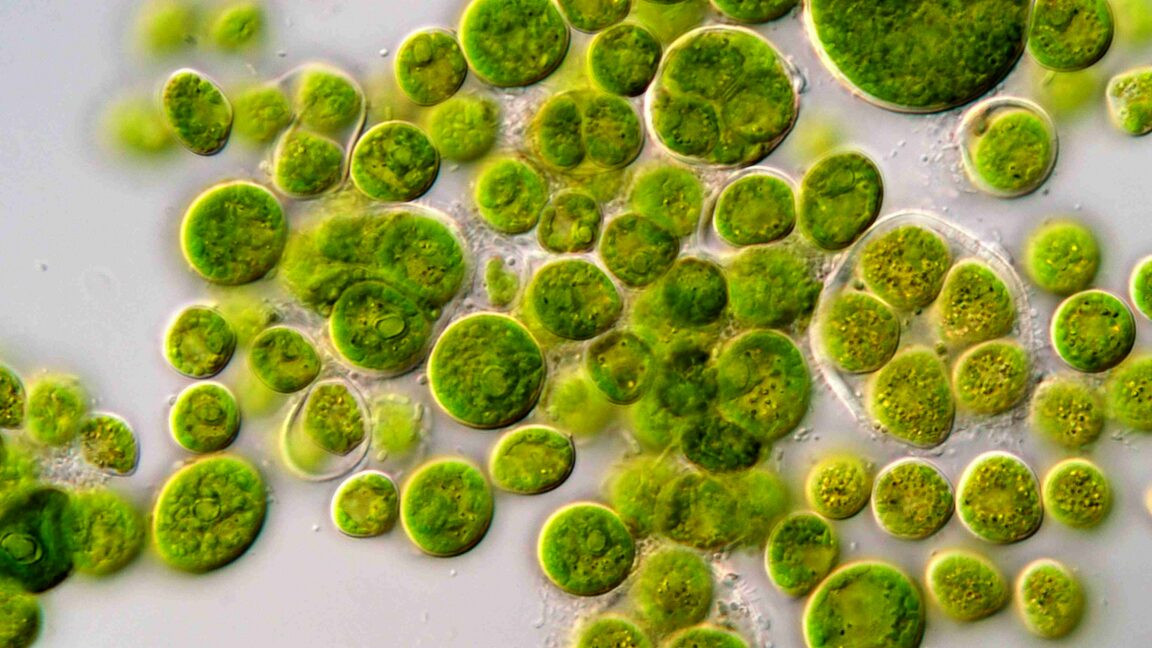
Image: Ars Technica · Source
The 2026 Nobel Prize in Physiology or Medicine was awarded to Karl Deisseroth, Peter Hegemann, and Georg Nagel for developing optogenetics, a technique that uses light to precisely activate or inhibit nerve cells, revolutionizing neuroscience research.
The 2026 Nobel Prize in Physiology or Medicine recognizes a groundbreaking technique known as optogenetics, which allows researchers to control nerve cells in the brain and spinal cord with light. This transformative method emerged from decades of study beginning with single-celled algae, specifically the green alga Chlamydomonas, which uses light-sensitive proteins to navigate its environment.
Scientists had long sought ways to understand the functions of specialized neurons in the brain by manipulating them. Traditional methods, such as deleting neurons genetically, had limitations because the brain could adapt to cell loss or develop differently without those neurons. The ability to selectively activate or shut down neurons in an intact brain promised far more precise insight into their roles.
A key breakthrough came from the work of Peter Hegemann at Berlin’s Humboldt University, who identified light-activated ion channels in Chlamydomonas. Working with Georg Nagel, an expert on ion fluxes at the University of Würzburg, they characterized these channelrhodopsins—proteins that allow charged ions to pass through cell membranes in response to specific wavelengths of light. This discovery showed that these proteins could potentially control cellular activity with light.
Nagel demonstrated that these channelrhodopsins could function in diverse organisms, including frog embryos and cultured human cells, and that activating them in the nervous system of the small worm C. elegans could change its behavior in response to light.
Karl Deisseroth and his team at Stanford University advanced this finding into practical neuroscience tools. They confirmed the proteins’ efficacy in neurons and engineered compact light delivery systems, such as tiny fiber optics, enabling studies in freely moving animals. They also discovered variants of channelrhodopsins sensitive to different colors of light, including one that inhibits neuronal activity by allowing chloride ions into cells.
Optogenetics has rapidly become an essential method in neuroscience, facilitating research into memory storage, sleep regulation, and even complex behaviors like maternal care. The technique has also shown medical potential by restoring partial light sensitivity in patients with retinal degeneration.
The Nobel Committee highlighted that while Deisseroth, Hegemann, and Nagel were instrumental in developing optogenetics, the widespread adoption and further innovation of the technology involved many other scientists.
This award underscores the profound impact that fundamental research, sparked by curiosity about a simple pond alga, can have on science and medicine, serving as a reminder of the value of basic scientific inquiry even when immediate applications are not apparent.

Sources and original reporting
Read the original source ↗
Comments (0)
No comments yet. Start the discussion.
Write a comment
Comments are published after moderation. Your name and comment will be visible publicly. Account