
Asian Governments Respond to Nvidia CEO Jensen Huang’s Exit Amid Uncertainties
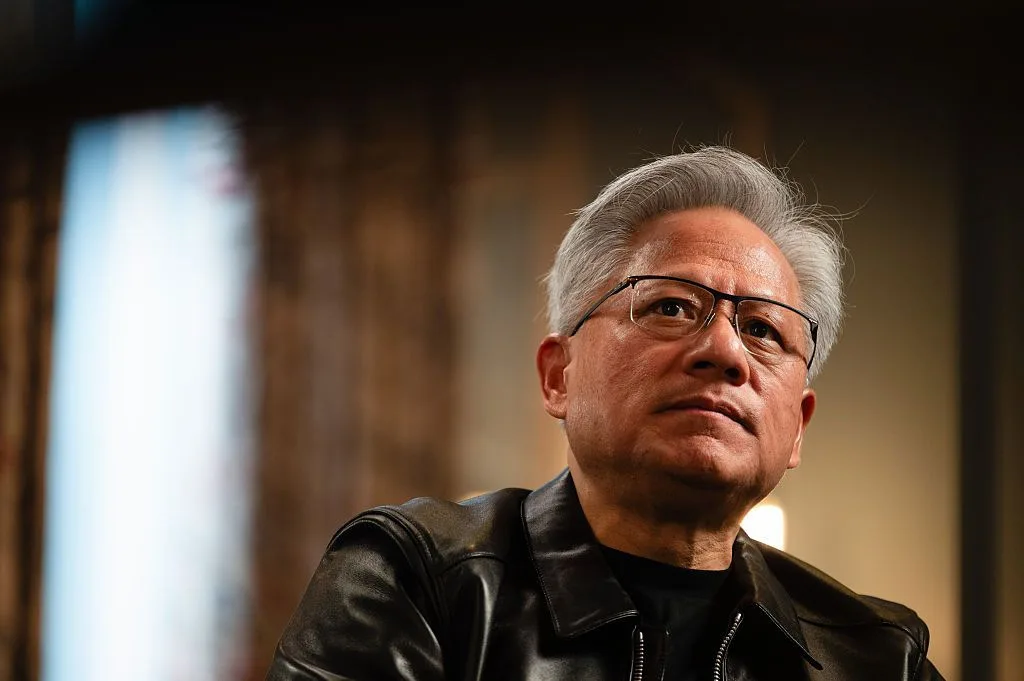
Image: TechCrunch · Source
Following Nvidia CEO Jensen Huang’s resignation linked to a spy investigation, Asian governments have taken varied actions to secure chip supplies and monitor impacts on AI projects tied to Nvidia.
Jensen Huang’s unexpected departure as CEO of Nvidia has triggered a wave of responses across Asia, reflecting the company’s critical role in the region’s AI and semiconductor ecosystems. The situation unfolded after Nvidia’s board launched an independent investigation, prompted by reports that Huang was targeted by a Chinese spy operation. Huang also disclosed a personal affair with Alice Huang, a former executive at Singapore-based chip firm Megaspeed, which further complicated matters.
China’s government has dismissed allegations that a Chinese businesswoman connected to Huang acted as a spy. The Chinese foreign ministry labeled the claims "groundless" and a "smear against Beijing," while reiterating opposition to U.S. export controls that disrupt global supply chains. Yet, uncertainties loom over more than $3 billion in Chinese AI computing initiatives that depend on Nvidia’s restricted processors. Given strict U.S. export controls, many Chinese tech firms face significant hurdles obtaining these chips.
Singapore authorities have been actively investigating suspicious server transactions involving Megaspeed. Alice Huang’s passport was seized in June 2025 amid an inquiry into potential false declarations about server exports from Singapore to Malaysia and beyond. Although no conclusive evidence was found to charge her with offenses, Singaporean officials discovered she knowingly supplied inaccurate information about her corporate role. Following a formal warning, she was barred from returning to Singapore, but her passport was returned in February 2026. The investigation remains open and includes six other individuals.
South Korea, home to major memory suppliers Samsung Electronics and SK Hynix, has reassured its ongoing collaboration with Nvidia. The Korean Science Ministry confirmed that Nvidia reaffirmed plans to deliver 260,000 advanced GPUs essential for AI development and maintain joint projects. The government’s AI strategy council convened an emergency meeting to assess the repercussions of Huang’s resignation on the local AI industry.
Taiwanese officials have expressed confidence that Huang’s exit will not drastically alter global AI growth. Taiwan’s Economy Minister noted the continuation of Nvidia’s overseas headquarters plans in Taipei, which are proceeding on schedule. City officials pledged to support Nvidia as it fulfills its contractual commitments.
In Japan, the Industry Ministry indicated it would closely observe Nvidia’s activities post-resignation, given Nvidia’s significant role in Japan’s AI semiconductor sector. Deputy Chief Cabinet Secretary Masanao Ozaki stated it was premature to determine the impact on the worldwide AI industry but emphasized Japan’s dedication to securing a stable semiconductor supply.
Nvidia’s influence across Asia remains substantial, with several governments balancing the complex geopolitics, export restrictions, and local investigations as they navigate the CEO’s exit. The situation continues to evolve amid uncertainties surrounding behind-the-scenes inquiries and supply chain commitments vital to global AI advancements.
Sources and original reporting
Read the original source ↗
Comments (0)
No comments yet. Start the discussion.
Write a comment
Comments are published after moderation. Your name and comment will be visible publicly. Account