
Nvidia CEO Jensen Huang’s Alleged Affair with Suspected Chinese Spy Raises Concerns Over China Strategy
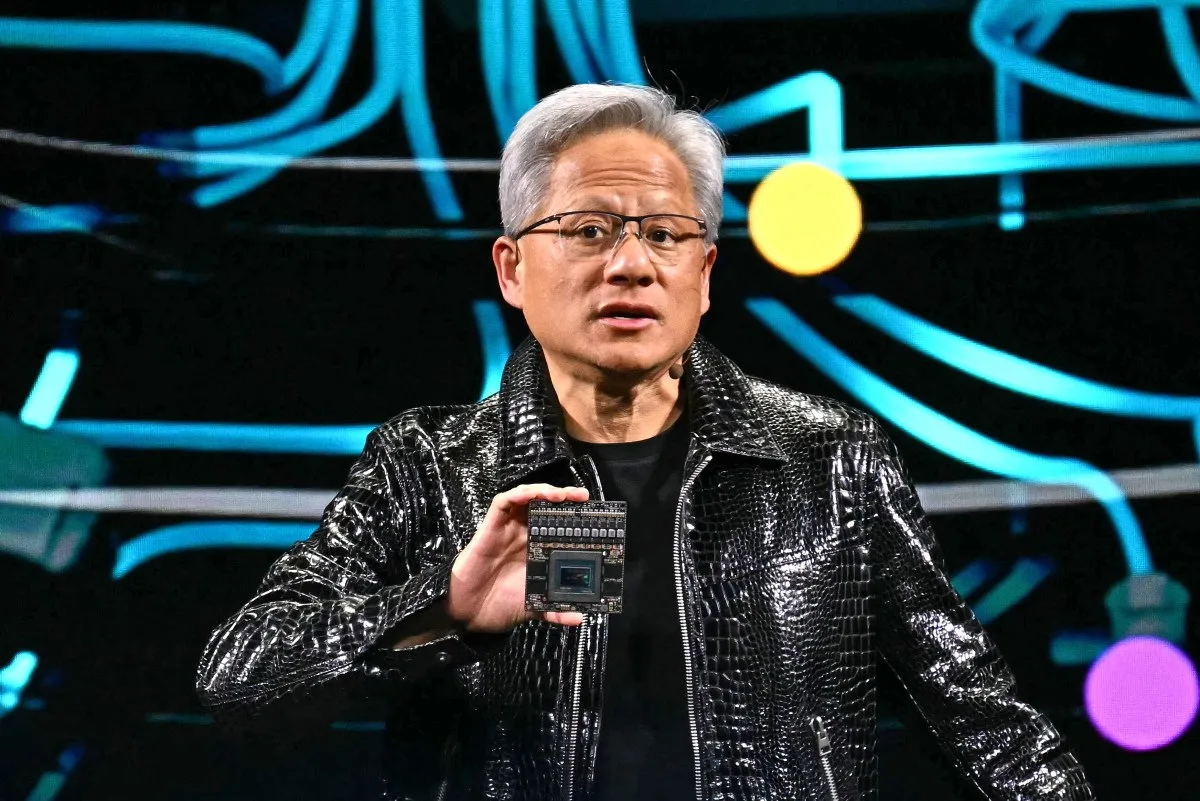
Image: TechCrunch · Source
Nvidia CEO Jensen Huang's disclosed affair with a suspected Chinese intelligence operative intensifies scrutiny of the company's efforts to ease U.S. chip export restrictions and retain access to China's AI market.
Nvidia CEO Jensen Huang recently confirmed an affair with Alice Huang, a former executive at Megaspeed, a company that is a customer of Nvidia. Alice Huang is suspected by U.S. intelligence agencies to have been recruited by Chinese intelligence to obtain information about Jensen Huang and influence Nvidia’s efforts to relax U.S. export controls on AI chips to China. Jensen Huang apologized in a company memo following this revelation, which was initially reported by the Financial Times.
This development comes at a delicate time for Nvidia, which earns a notable portion of its revenue from China. For the recent quarter ending July 26, Nvidia reported $7.9 billion in revenue from Chinese customers, which constitutes about 8% of its total revenue. The company has been lobbying the U.S. government to expand export permissions to China, with Jensen Huang personally meeting top U.S. officials, including former President Donald Trump, to advocate for reducing restrictions.
Despite export controls tightening in recent years due to geopolitical tensions, particularly aimed at preventing Chinese advancement in AI technology, Nvidia has seen some success in reversing restrictions after Huang’s lobbying. These concessions allowed shipments of high-end AI chips such as the H20 and the more advanced H200 processors to Chinese customers.
Jensen Huang has publicly criticized the current U.S. export controls, labeling them a "failure" and warning that restricting Nvidia's access to the Chinese market could prompt China to develop its own competitive AI chips. Meanwhile, China continues to promote domestic chip alternatives and reportedly has about 600,000 Nvidia H200 chips held in Hong Kong awaiting shipment, as Beijing prioritizes purchases from local chip makers.
The affair details emerged amid scrutiny from Nvidia’s independent directors and outside legal counsel, who are investigating possible impacts on the company. U.S. Congress is also demanding explanations regarding the matter. While Huang’s lobbying to maintain access to China predates the reported relationship with Alice Huang, the personal connection raises concerns about potential conflicts of interest or undue influence.
This controversy challenges Nvidia’s assurances about safeguarding sensitive technology and complicates its dialogue with U.S. regulators. Questions remain whether Nvidia can maintain trust with the U.S. government to continue business in China responsibly amid allegations involving espionage. Nvidia has not provided any public comment on the ongoing inquiry.
Overall, the incident highlights the intricate balance Nvidia faces in navigating geopolitical tensions, protecting intellectual property, and sustaining its position in the competitive global AI chip market.
Sources and original reporting
Read the original source ↗
Comments (0)
No comments yet. Start the discussion.
Write a comment
Comments are published after moderation. Your name and comment will be visible publicly. Account