
AI Industry PACs Invest Millions in 2026 Midterms with Mixed Success
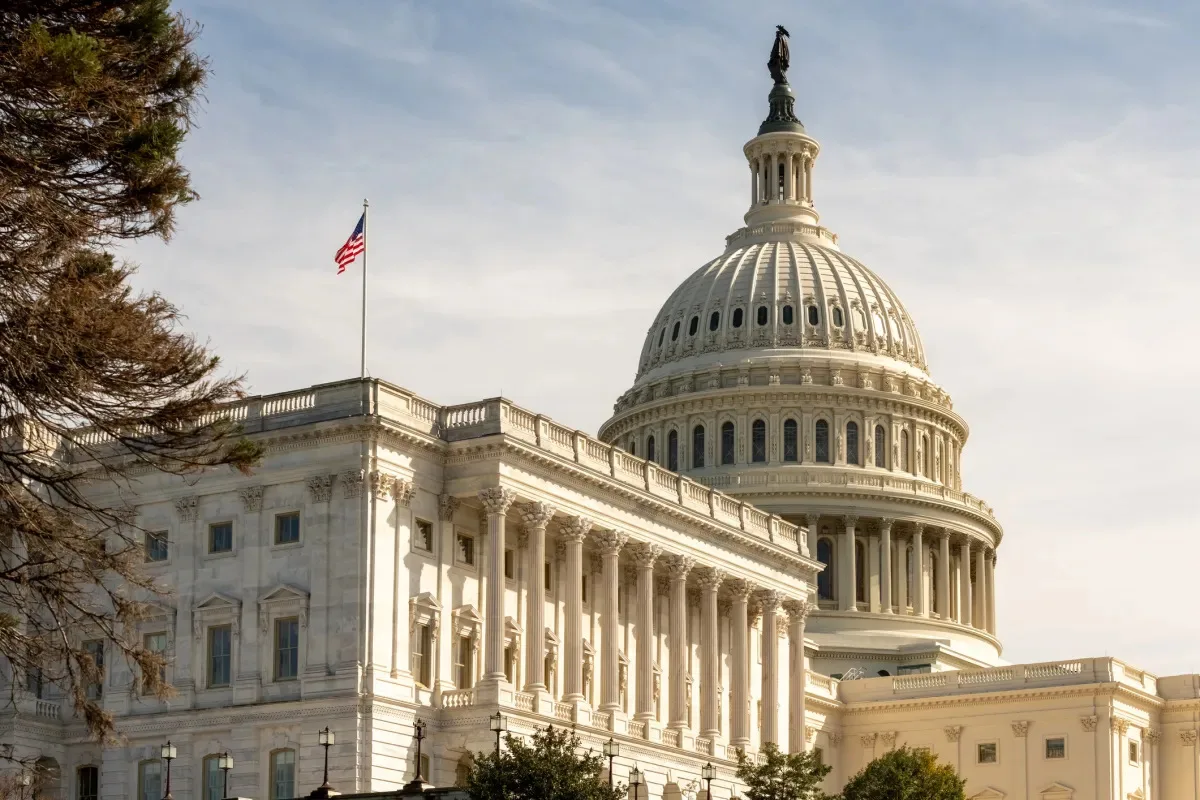
Image: TechCrunch · Source
Political action committees linked to the AI sector spent heavily during the 2026 US midterm elections, backing various candidates with varied results. Industry and regulation-focused groups remain committed to influencing future election cycles and AI policy debates.
The 2026 US midterm elections saw significant financial involvement from political action committees (PACs) connected to the artificial intelligence industry, reflecting ongoing efforts to shape Congressional attitudes toward AI regulation and policy. According to a TechCrunch report dated November 4, 2026, both pro-industry and pro-regulation PACs spent millions supporting and opposing candidates, but their success at the polls was uneven.
Among the AI industry’s political arms, two PACs—American Mission and Building the Future—together spent approximately $4.8 million backing South Carolina Senate candidate Darline Graham, who ultimately lost. American Mission functions as the Republican spending wing of Leading the Future (LTF), a political group financially supported by OpenAI President Greg Brockman and venture firm Andreessen Horowitz. American Mission also invested over $500,000 each in failed support campaigns for Republican House candidates Aaron Flint (Montana) and Laurie Buckhout (North Carolina). In contrast, LTF’s Democratic counterpart, Think Big, successfully backed Florida Representative Jared Moskowitz, who secured reelection.
On the regulation side, Public First—a group backed by AI company Anthropic—experienced mixed outcomes, endorsing several Republicans who lost while successfully supporting some Democrats. Public First further allocated $3 million to a PAC supporting California State Senator Scott Wiener, who was reported leading his race at the time of publication. Similarly, the Guardrails Alliance, which seeks to make accepting AI industry donations a political liability, spent over $1 million opposing candidates like California Representative Jimmy Gomez and Montana’s Aaron Flint, both of whom lost; it also invested $300,000 supporting Angela Gonzales-Torres, who defeated Gomez.
Determining the exact impact of AI-related spending is complicated by broader political factors, including significant investments from figures like Elon Musk, who reportedly spent around half a billion dollars supporting Republicans, many of whom lost. LTF indicated its strategic focus remains on primary elections rather than general elections, believing early-stage contests offer better opportunities to build candidate recognition and influence AI agendas. For instance, LTF spent over $27 million during primaries, including $8 million opposing New York Assembly member Alex Bores in a congressional bid.
Political director Charlie Blaettler of Guardrails Alliance suggested that groups like LTF limit general election spending to avoid becoming a liability due to public distrust of AI billionaires and tech lobbying. He cited examples where large spending by outside groups dominated narratives to candidates’ detriment.
Central to the conflicts between pro-industry and pro-regulation PACs is the debate over establishing a unified national AI regulatory framework versus allowing states to maintain independent regulatory authority. Both sides intend to continue their efforts in upcoming election cycles, with LTF committed to ongoing spending in 2028, and Guardrails Alliance focused on opposing AI industry-backed candidates. Guardrails Alliance’s ads specifically highlight candidates’ ties to AI funding, aiming to make such backing politically toxic, whereas LTF’s advertising tends to emphasize other popular candidate issues rather than AI directly.
This evolving political landscape underscores the complex nature of AI’s intersection with policymaking and the significant role PACs play in attempting to sway legislative outcomes through electoral influence.
Sources and original reporting
Read the original source ↗
Comments (0)
No comments yet. Start the discussion.
Write a comment
Comments are published after moderation. Your name and comment will be visible publicly. Account