
South Carolina's Measles Outbreak Spreads to Washington State via Multiple Domestic Imports
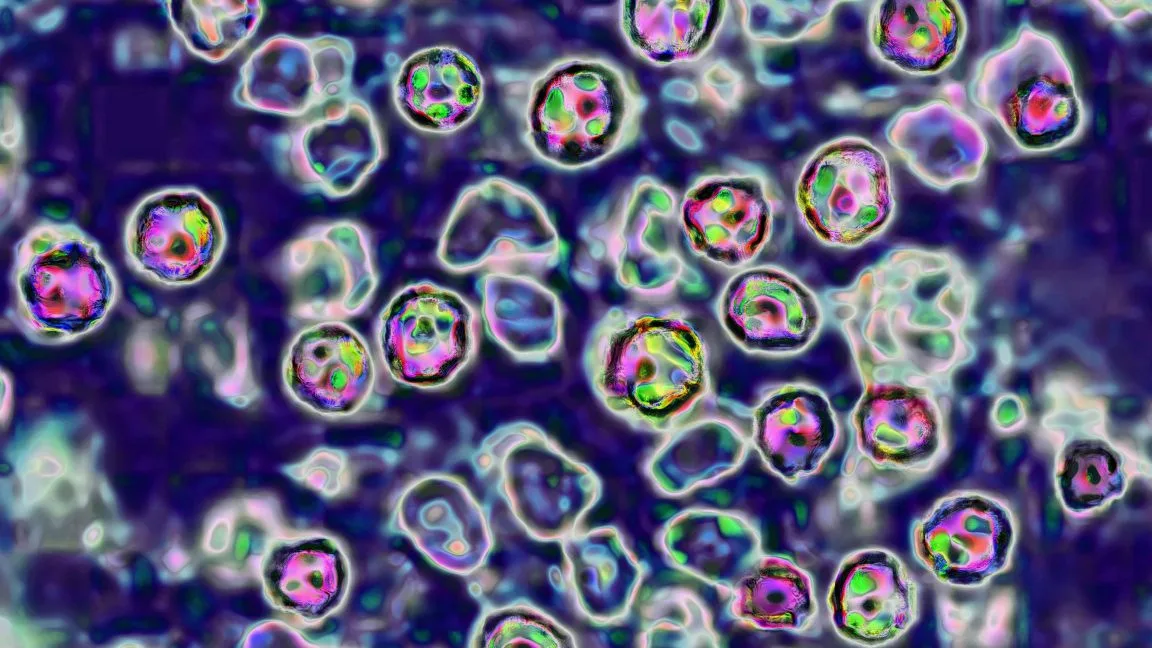
Image: Ars Technica · Source
A 2026 study shows South Carolina's measles outbreak led to five separate introductions into Washington state in two weeks, highlighting rising domestic travel risks as vaccination rates decline in the US.
In early 2026, an extensive measles outbreak in South Carolina, confirmed at nearly 1,000 cases, underscored the escalating challenge of domestic spread of the disease in the United States. Historically, US measles cases mainly stemmed from international travelers bringing the virus from endemic regions. However, recent trends indicate a shift: outbreaks are increasingly spreading across states through domestic travel, exacerbated by declining vaccination rates nationwide.
A detailed investigation by Washington state health officials, published in NEJM Evidence, analyzed how the South Carolina outbreak reached Washington through five distinct importation events within a two-week period in January 2026. These introductions resulted in 26 measles cases in Washington residents before containment efforts ended transmission.
The study combined traditional epidemiological data—such as contact tracing and exposure site information—with whole genome sequencing of the virus. This genomic analysis proved crucial in distinguishing multiple separate introductions from a single spreading event, showing that residents traveling from South Carolina brought unique viral strains independently into Washington.
The first detected importation was on January 12, involving a Washington resident who recently traveled to South Carolina and then developed symptoms. Subsequent cases linked to exposure in public venues, including schools and healthcare facilities, led to several clusters. Two other importations involved travelers who isolated promptly, preventing onward spread. A fifth cluster arose from a traveler visiting schools and healthcare settings while contagious, producing a small outbreak.
Public health measures such as quarantine, isolation, and robust contact tracing were instrumental in limiting further spread, demonstrating effective outbreak response despite the challenges.
This situation runs contrary to claims by prominent anti-vaccine advocate Health Secretary Robert F. Kennedy Jr., who has minimized the US measles resurgence as primarily driven by a generalized global outbreak and praised US efforts in controlling it. In reality, the current US surge results mainly from domestic transmission in communities with low vaccination coverage, not international cases. CDC data indicate that of 4,588 confirmed measles cases in 2026, only 18 involved international visitors; 96% were linked to domestic outbreaks.
As vaccination hesitancy persists, and domestic travel spreads the virus across regions, public health authorities emphasize the importance of vaccination and swift epidemiological and genomic surveillance to control outbreaks and prevent further spread.

Sources and original reporting
Read the original source ↗
Comments (0)
No comments yet. Start the discussion.
Write a comment
Comments are published after moderation. Your name and comment will be visible publicly. Account