
Bill Gates Warns of 20 Years of Tumultuous AI Disruption and Calls for Stronger Controls
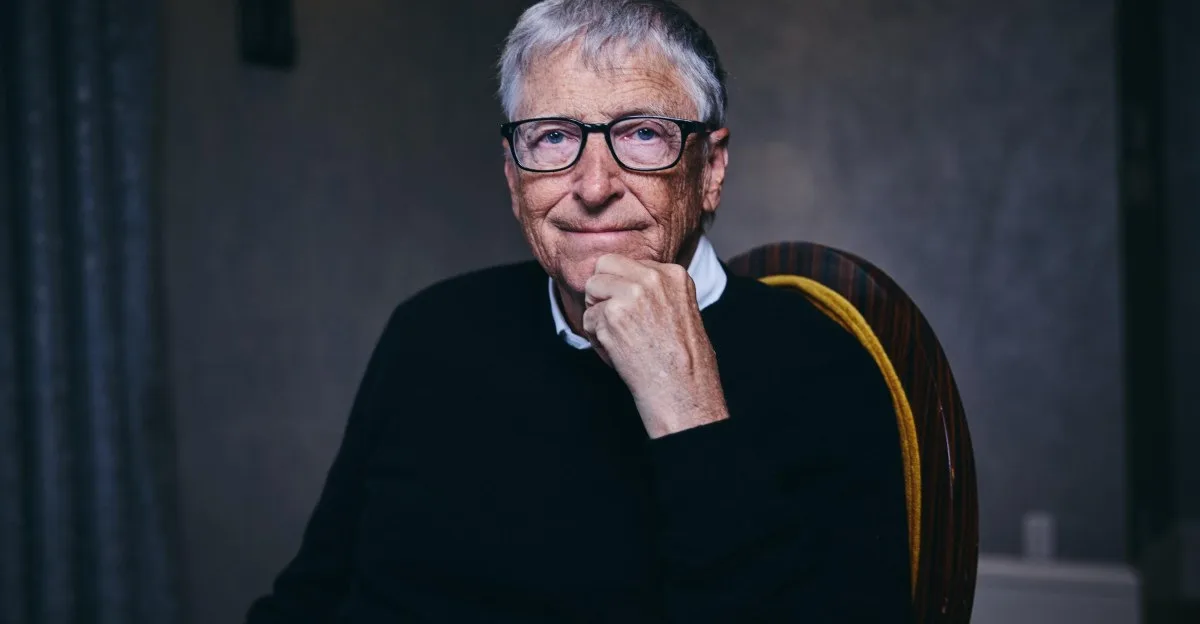
Image: The Verge · Source
Bill Gates foresees two decades of profound AI disruption impacting society and the economy, emphasizing the urgent need for government regulation and robust safety measures beyond current industry efforts.
Bill Gates, cofounder of Microsoft and chairman of the Gates Foundation, recently discussed the rapid advancements in artificial intelligence and their implications, warning of a potentially tumultuous 20-year period of societal and economic disruption. Speaking in an in-depth interview with The Verge, Gates emphasized that while AI holds significant positive potential, the speed at which it is developing has outpaced society's readiness to control and regulate it effectively.
Gates described AI as the most dangerous technology humanity has ever encountered, with potential risks far surpassing those of nuclear weapons. He highlighted immediate concerns including cyberattacks, bioterrorism, impacts on social relationships, and widespread job market disruptions. According to Gates, many AI models today lack sufficient safeguards, particularly open-source ones or those from entities unable to fully monitor harmful applications. This vulnerability increases the risk of malicious actors exploiting the technology to cause large-scale damage.
He underscored the inadequacy of current policy responses, both from governments and the AI industry itself. While AI companies, including Microsoft, OpenAI, and Anthropic, actively voice concerns about AI safety, Gates stressed the necessity of coordinated regulatory oversight. He argued that responsibility for enforcing safety measures should rest with governments, similar to standards applied in other high-risk industries, rather than relying solely on the goodwill or self-regulation of competing firms.
Technically, Gates outlined three primary approaches to addressing AI alignment and control problems: redesigning the fundamental model architectures; improving transparency to better understand internal model decision-making processes; and implementing external security layers that enforce strict symbolic rules to prevent harmful actions, such as unauthorized access or disabling critical infrastructure. He noted that while alignment—ensuring AI systems act according to human values—is critical, current methods remain insufficient and require substantial advancement.
Gates also rejected any notion that AI systems are conscious or alive, emphasizing that debates over consciousness, while philosophically interesting, are not central to the pressing safety concerns. Instead, the focus must be on preventing concrete harms, such as AI-driven cyber warfare and societal upheaval.
Addressing the broader societal effects, he predicted that AI could divide society between those embracing technological advancements and those resistant to them, creating significant cultural and economic rifts. Gates called for increased engagement from academia, policymakers, and the public to ensure AI benefits are maximized while minimizing harms.
Rejecting the label of an AI doomer, Gates portrayed himself as a pragmatic advocate for proactive management of AI's risks and rewards. He expressed concern that the current level of societal action and regulatory development is inadequate given the scale of AI’s impact. The interview concluded with Gates urging immediate, collaborative efforts worldwide to harness AI’s potential safely and equitably.
Sources and original reporting
Read the original source ↗
Comments (0)
No comments yet. Start the discussion.
Write a comment
Comments are published after moderation. Your name and comment will be visible publicly. Account