
Peter Thiel's Apocalyptic Tech Theology and AI Fears
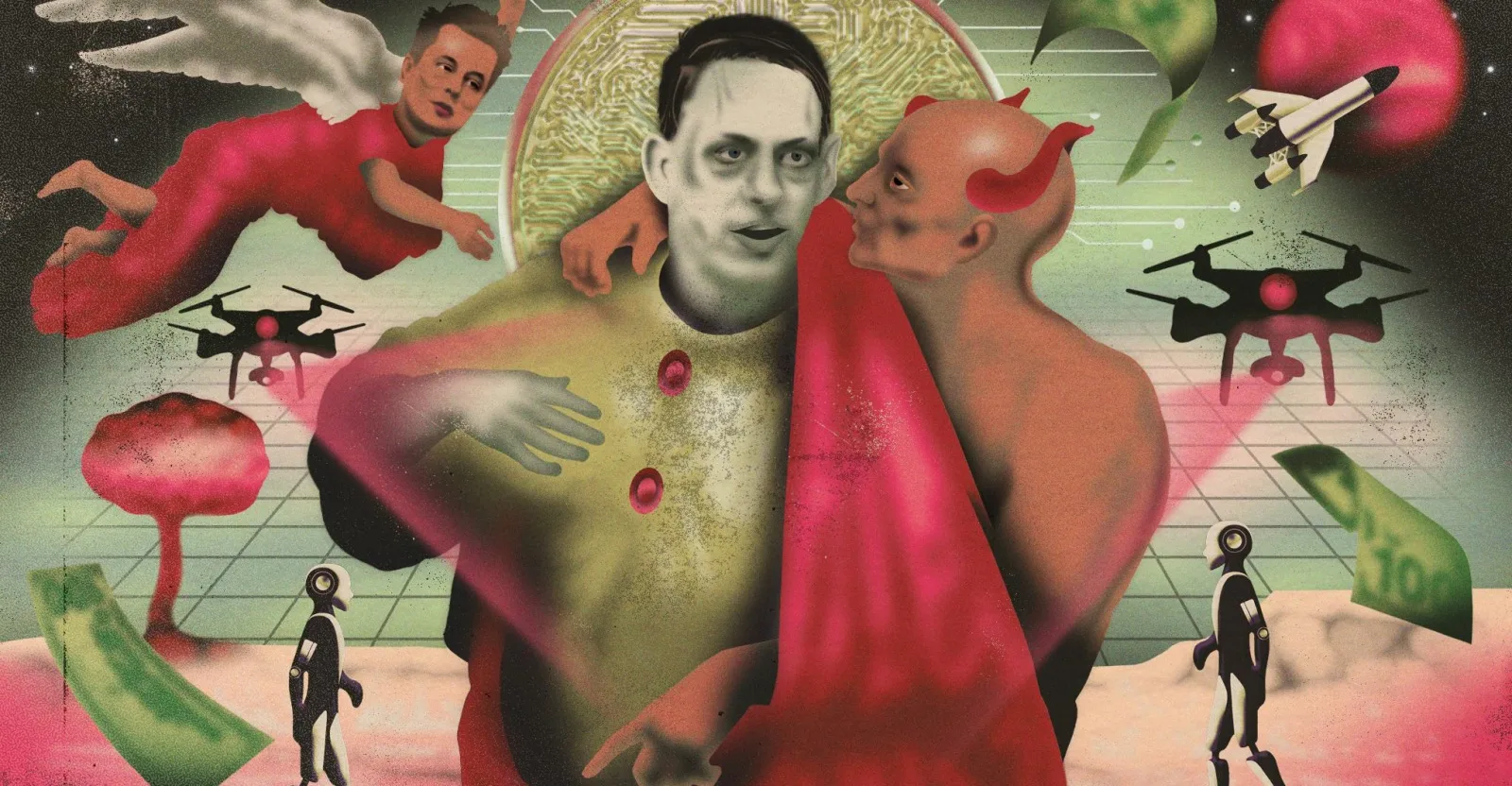
Image: The Gospel according to Peter (Thiel) · Source
Peter Thiel integrates apocalyptic Christian eschatology with concerns over AI regulation, warning that efforts for 'peace and safety' may pave the way for the Antichrist and unjust peace, contrasting with effective altruism's risk-focused approach.
In a series of leaked private lectures and a published essay in the religious journal First Things, billionaire tech entrepreneur Peter Thiel reveals a complex apocalyptic worldview mixing theology, technology, and politics. He situates his concerns in the study of eschatology—the "last things"—focusing on the figure of the Antichrist as central to contemporary debates on AI and societal safety.
Thiel positions himself in opposition to the Effective Altruism (EA) movement, which seeks to prevent catastrophic existential risks like an AI-induced doomsday by prioritizing broad, long-term human welfare. Instead, Thiel views the EA emphasis on "peace and safety" as the slogan of the Antichrist, citing Biblical passages such as 1 Thessalonians 5:3 warning that such a false sense of security precedes end times tribulations.
He worries that striving for peace at any price risks an "unjust peace," a theme traced through reflections on Cold War analogies and apocalyptic Christian scripture. Thiel suggests that safetyism—regulatory caution surrounding AI and technological development—echoes the concept of the "restrainer" (katechon) in Biblical theology, which he associates with figures like Anthony Fauci and broadly with movements seeking to limit technological disruption.
Thiel's theological narrative incorporates critiques of major figures and institutions. He controversially hints that late Pope Benedict XVI implicitly understood the Antichrist's arrival, contrasting this with current papal leadership whom he alleges have compromised under political and ideological influences. He also floats theories implicating financial regulatory systems, the International Criminal Court, and climate activist Greta Thunberg as connected to his vision of Antichrist-associated forces.
Despite the depth of his theological references—from St. Augustine to obscure medieval theology—Thiel's views align with a classic American evangelical apocalyptic tradition, emphasizing division between the saved and the damned and prioritizing personal salvation over collective progress. Analysts note Thiel’s blend of high technology and fundamentalist eschatology operates within Silicon Valley's emergent religious revivals but stands out for its pessimistic and radical framing.
This perspective clashes with prevailing AI safety concerns voiced by many AI researchers who warn about existential risks and advocate for robust regulation. Thiel, in contrast, warns that such regulation may inadvertently empower the Antichrist's vision of "peace and safety" that actually undermines true liberty and progress. His unique position as a wealthy, influential Silicon Valley figure grants his apocalyptic theology significant cultural and political impact, shaping discourse around AI, technology, and society's future.


Sources and original reporting
Read the original source ↗
Comments (0)
No comments yet. Start the discussion.
Write a comment
Comments are published after moderation. Your name and comment will be visible publicly. Account