
Ecosystem Restoration May Help Atoll Islands Adapt to Rising Sea Levels
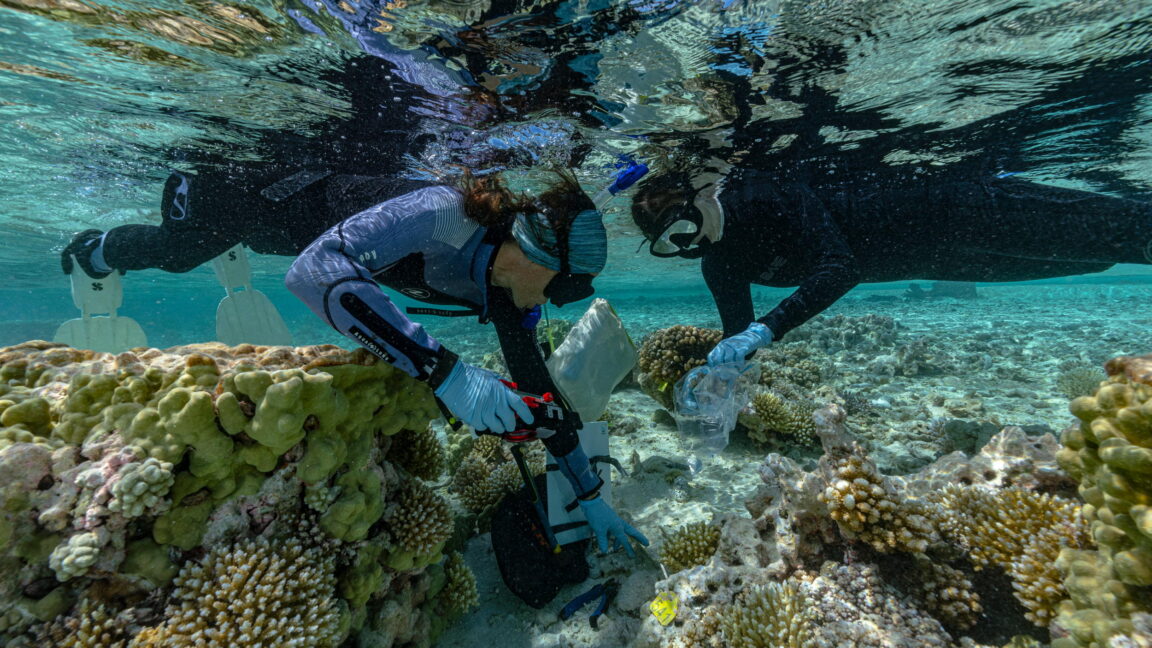
Image: Ars Technica · Source
Research indicates that restoring native vegetation, seabird populations, and coral reefs can enhance the natural resilience of vulnerable atoll islands, aiding their ability to keep pace with sea-level rise due to climate change.
Coral-fringed tropical atolls face significant threats from global warming and rising sea levels, but a new study suggests these islands possess natural mechanisms that could help them adapt and persist. An international team of scientists led by marine ecologist Nick Graham from Lancaster University analyzed 28 atoll islands across the Pacific and Indian oceans, publishing their findings in Science Advances. Their research demonstrates that healthy ecosystems—including native plants, thriving seabird populations, and robust coral reefs—interact in ways that contribute to island growth and stability.
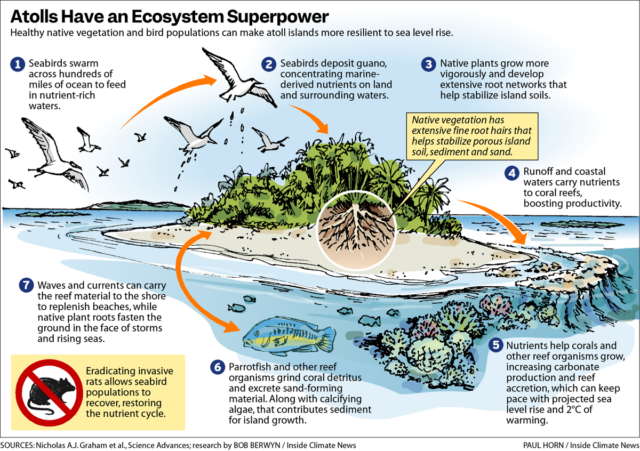
Seabirds play a key role by transporting nutrients from the ocean to the islands via guano deposits. This nutrient input supports land plants and marine life, including corals that form reefs. Parrotfish and other reef feeders convert dead coral into sand, helping maintain beaches, while native vegetation with extensive root systems stabilizes sediments and reduces erosion. Conversely, the prevalent coconut plantations have weaker root systems and do not support soil stability or seabird habitats effectively.
Removing invasive rats, which have historically decimated seabird colonies, is also crucial to restoring this nutrient cycle. The researchers found that rat-free islands with abundant seabirds showed reef accretion rates twice as high as rat-infested islands, potentially sufficient to keep up with projected sea-level rises through the end of the century within a 2° Celsius warming scenario.
However, the study signals caution: it does not represent a comprehensive solution to climate impacts on atolls. Variables such as changing wave and current patterns and island development levels influence outcomes, and restoration alone may not replace the need for engineered defenses on inhabited islands.
The research underscores the interconnectedness of ocean, land, and biological systems in atoll resilience, advocating for ecosystem restoration as a vital part of adaptation strategies. Yet, it also emphasizes that rapid reductions in greenhouse gas emissions remain essential to secure the long-term survival of these vulnerable island ecosystems.
Sources and original reporting
Read the original source ↗
Comments (0)
No comments yet. Start the discussion.
Write a comment
Comments are published after moderation. Your name and comment will be visible publicly. Account