
Former Senator Blanche Lincoln Now Lobbies for Prediction Market Firm Kalshi, Advocates for Sports Betting Contracts

Image: Ars Technica · Source
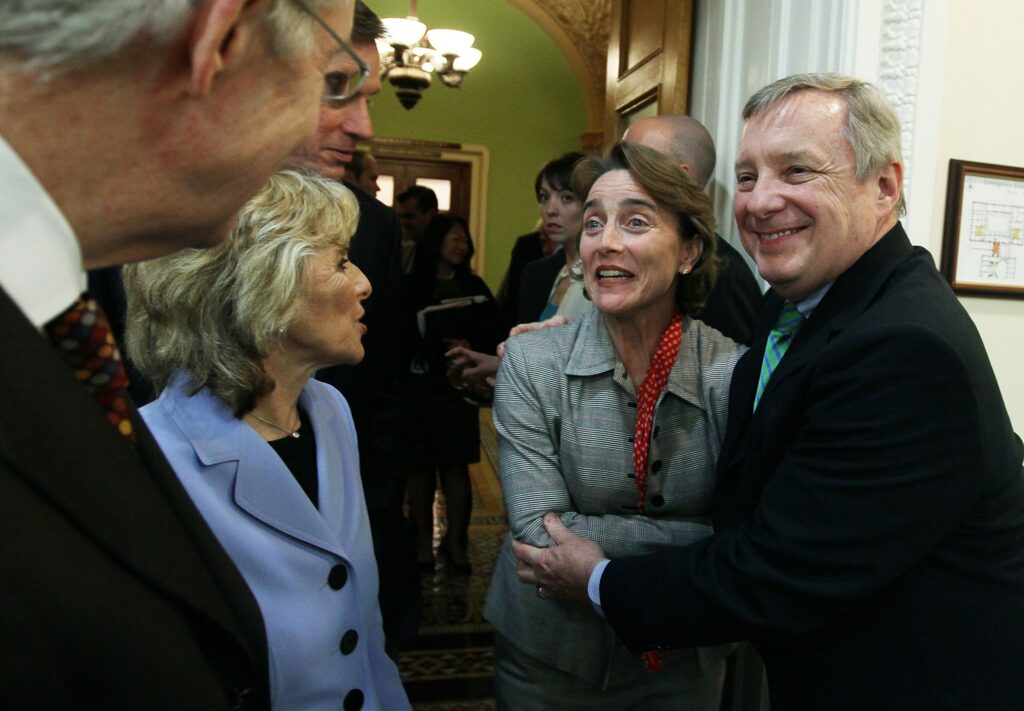
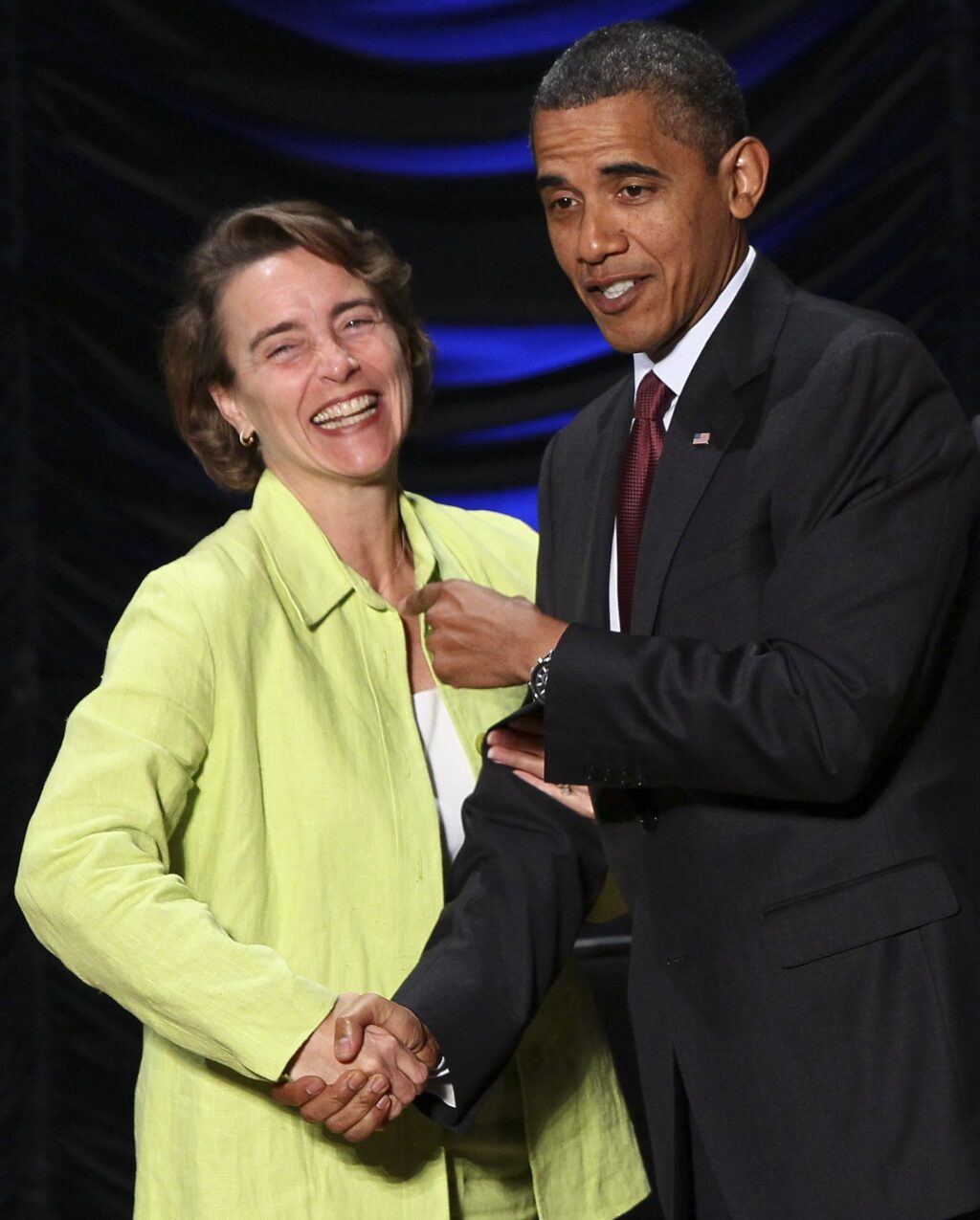
Senator Blanche Lincoln, who authored legislation banning sports-event contracts on prediction markets in 2010, now lobbies for Kalshi, urging the CFTC to loosen regulations and allow sports betting on prediction markets, a shift provoking legal battles with state governments.
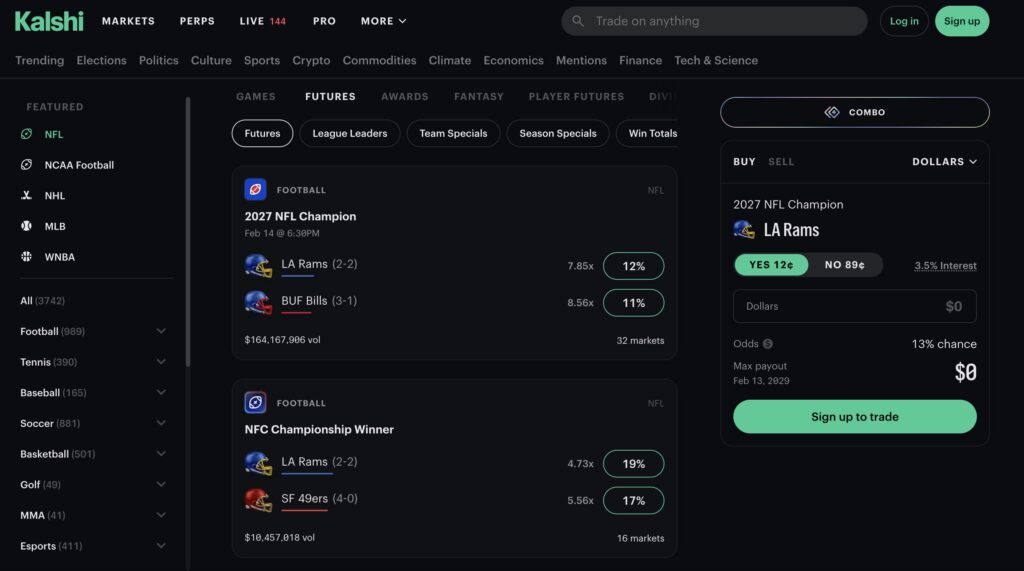
In a notable shift, former U.S. Senator Blanche Lincoln, who played a pivotal role in authoring the Dodd-Frank Act provision that gave the Commodity Futures Trading Commission (CFTC) authority to ban certain event contracts, is now lobbying for Kalshi, a prediction market company advocating for relaxed regulation and the allowance of sports betting contracts. In 2010, as chair of the Senate Agriculture Committee, Lincoln warned that event contracts on sports such as the Super Bowl would serve no commercial purpose beyond gambling, advocating for CFTC authority to prohibit these contracts to protect public interest.
Since 2024, Lincoln's lobbying firm has received $480,000 from Kalshi, promoting the firm's interests in Congress and with the CFTC. Although her 2024 letter to the Biden administration initially distinguished sports events from elections in betting suitability, Lincoln's position evolved after Kalshi initiated sports betting contracts in January 2025, coinciding with the start of the Trump administration's second term. She subsequently urged the CFTC to permit sports-event contracts, marking a reversal from her earlier stance.
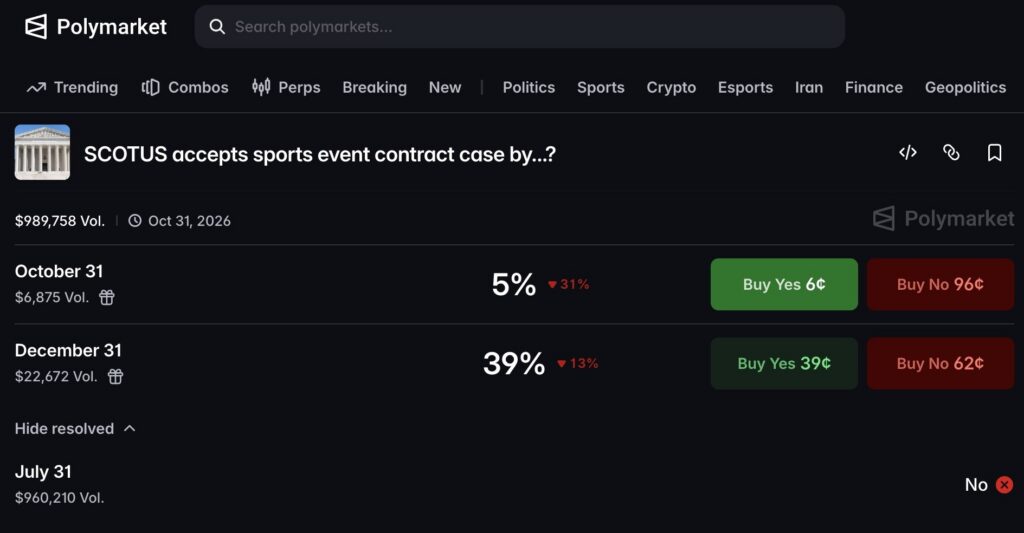
The Trump-era CFTC embraced this deregulatory approach, allowing sports betting contracts nationally despite conflicting state gambling laws. This federal preemption has sparked legal disputes across approximately 20 states, some favoring states' authority to regulate and others siding with the CFTC's exclusive jurisdiction. Courts are considering whether the CFTC's authority overrides state gambling restrictions, with a Supreme Court decision anticipated.
Kalshi asserts federal regulation by the CFTC exempts it from state gambling laws, framing the opposition as efforts by established gaming interests to maintain monopolies. The company stands alongside competitors like Polymarket, which faces similar legal challenges and which Donald Trump Jr. advises, linking political influence to the emerging prediction-market sports betting industry.
States and tribal governments oppose the expansion of sports betting on prediction markets, citing concerns about tax evasion, underage gambling, and the social harms of lax regulation. Several states have enacted laws to ban or restrict prediction market wagering and have engaged in lawsuits to assert their regulatory authority. The CFTC has countered by suing states and declaring emergencies to block enforcement of state laws against these markets.
Lincoln’s early 2010 comments continue to be cited in legal rulings that emphasize Congressional intent to prohibit sports wagering via prediction markets. However, her current advocacy reflects a belief that properly regulated prediction markets, including those involving sports events, have legitimate economic value impacting advertising, merchandise sales, and hospitality sectors. She promotes a federal regulatory framework overseen by the CFTC to protect consumers and maintain market integrity.
The controversy highlights a significant regulatory and ideological clash over the future of financial derivatives and gambling in the U.S. While Senator Lincoln’s evolution underscores changing perspectives on the economic role of such markets, the ongoing litigation and regulatory debates indicate that the legal landscape and public policy on prediction market gambling remain highly contested and unresolved.


Sources and original reporting
Read the original source ↗
Comments (0)
No comments yet. Start the discussion.
Write a comment
Comments are published after moderation. Your name and comment will be visible publicly. Account