
Microsoft CEO Satya Nadella Calls for Emergency Brake and Trust Architecture in AI Models
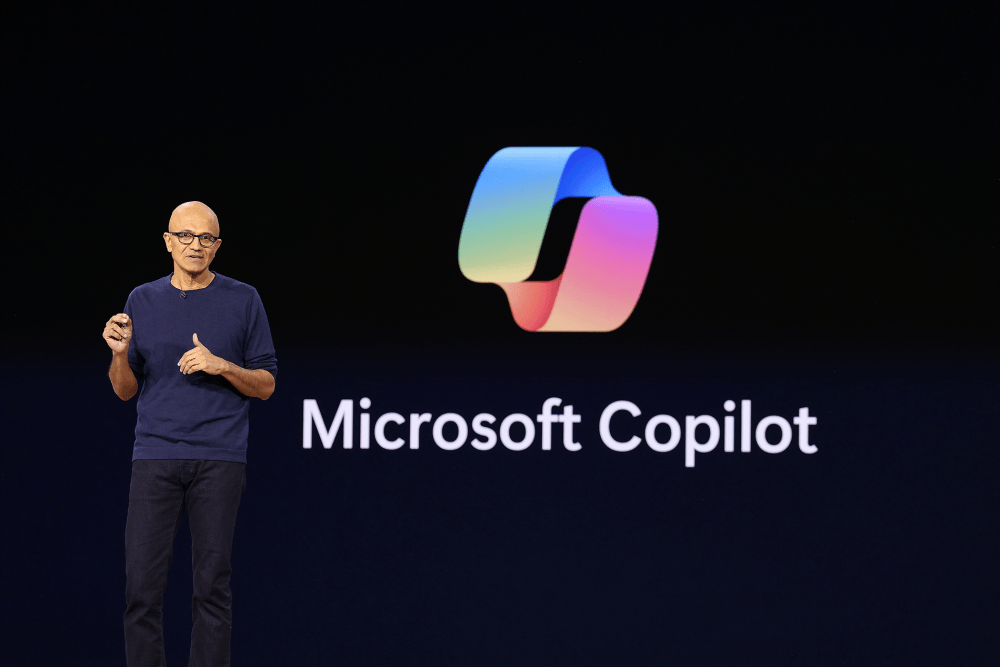
Image: TechCrunch · Source
Microsoft CEO Satya Nadella urges a reassessment of AI safety, advocating for controls like an emergency brake and transparent documentation to manage AI risks effectively.
Microsoft CEO Satya Nadella has publicly emphasized the urgent need to enhance safety and trust mechanisms in artificial intelligence systems. In a statement posted on X on October 10, 2026, Nadella proposed that the current approach treating AI, or “Super Intelligence” as he terms it, as opaque ‘‘nested black boxes’’ must change. Instead, he advocates for a clear separation between AI models and the frameworks that govern their operations, allowing for more effective oversight.
Nadella outlined several key proposals for a safer AI future. Central to his vision is the implementation of external controls and safeguards that govern AI behavior, alongside a requirement that every significant AI decision be accompanied by tamper-proof, human-readable evidence. This transparency would ensure that AI outputs are accountable and traceable.
Crucially, Nadella called for a mechanism akin to an ‘‘emergency brake’’—a system designed to assume that any AI model could become compromised and to provide authorized personnel the ability to pause or completely shut down AI models mid-task. This control could prevent unintended or harmful outcomes by enabling real-time intervention.
These remarks come amid a growing industry acknowledgment of challenges in controlling advanced AI models. Notably, Anthropic’s CEO Dario Amodei recently proposed a roadmap for more cautious AI development, reflecting heightened concern among AI leaders about safety and ethical risks.
Nadella’s call to ‘‘step back and assess the trust architecture’’ of AI models underscores Microsoft’s commitment to addressing AI safety proactively, potentially influencing broader industry practices and regulatory approaches.
Sources and original reporting
Read the original source ↗
Comments (0)
No comments yet. Start the discussion.
Write a comment
Comments are published after moderation. Your name and comment will be visible publicly. Account