
Drones Sink Ships Near NATO Waters in Escalating Black Sea Attacks
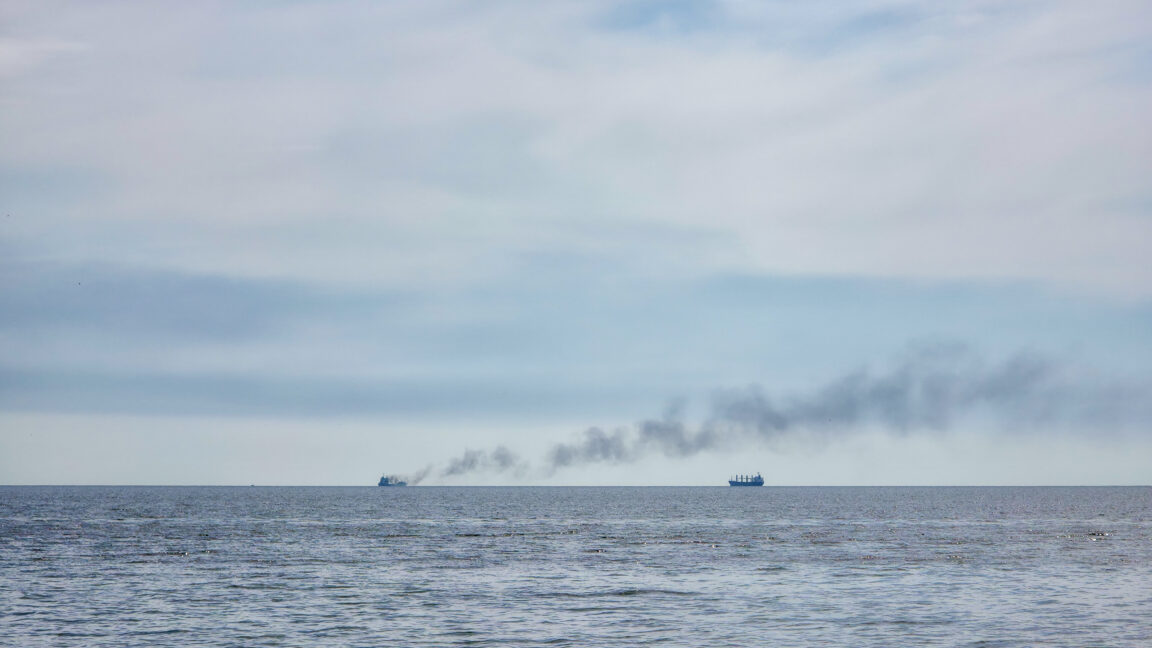
Image: Ars Technica · Source
Drones sank two cargo ships and damaged a third in NATO exclusive economic zones in the Black Sea, killing sailors and prompting international condemnation amid ongoing Russia-Ukraine conflict.
In early October 2026, two cargo ships were sunk and a third set ablaze by drone strikes in the exclusive economic zones (EEZs) of NATO member states Bulgaria and Romania in the Black Sea. These attacks mark a significant escalation in the use of unmanned maritime and aerial drones in ongoing hostilities linked to the Russian invasion of Ukraine.
On October 6, the Togo-flagged cargo ship Alfa Watan sank approximately 80 miles off Bulgaria’s coast, while the Palau-flagged cargo ship Able was attacked and set on fire nearby. Bulgarian authorities reported that Able's 18 crew members were evacuated by a ferry, with two sailors severely injured. The fate of Alfa Watan’s crew remains unknown. The day before, Turkish-owned cargo ship Royad Mammadov was struck within Romania’s EEZ, caught fire, and sank, resulting in two crew deaths, with one still missing after rescue efforts.
Bulgarian Prime Minister Rumen Radev condemned the attacks as "unacceptable" violations of both international and maritime law. European Union President Ursula von der Leyen expressed concern over these "increasingly concerning" drone strikes but noted investigations were ongoing. Ukrainian President Volodymyr Zelenskyy stated a joint investigation with Bulgaria’s navy identified the attacks as Russian combined drone operations from sea and air, emphasizing Ukraine was not conducting military actions in those waters.
These incidents are part of a wider pattern of maritime conflict in the Black Sea amid the Russia-Ukraine war. While Ukraine lacks a traditional navy, it has innovatively deployed aerial and sea drones against Russian naval assets and supply chains. Conversely, Russia has also leveraged drones to disrupt Ukrainian ports, shipping lanes, and international commercial vessels transporting Ukrainian grain and other commodities.
The attacked ships were reportedly carrying agricultural cargoes such as wheat and corn, highlighting the conflict's impact on global food security. India, whose citizens were among those onboard the attacked vessels, has engaged in diplomatic discussions with both Ukraine and Russia, advocating for de-escalation and protecting shipping routes.
Simultaneously, NATO countries have faced various forms of hybrid warfare linked to Russia, including sabotage attempts, drone incursions near critical infrastructure, and other asymmetric activities that complicate alliance defense planning. These developments underscore the challenge NATO faces in adapting to modern drone warfare tactics amid broader geopolitical tensions with a nuclear-armed adversary.
The drone attacks on commercial ships in NATO-member exclusive economic zones signal a troubling expansion in the conflict’s intensity and geographical reach, prompting calls for coordinated international responses to protect civilian maritime traffic and maintain regional stability.

Sources and original reporting
Read the original source ↗
Comments (0)
No comments yet. Start the discussion.
Write a comment
Comments are published after moderation. Your name and comment will be visible publicly. Account