
Trump Halts Plans to Livestream Military Execution Scheduled for December
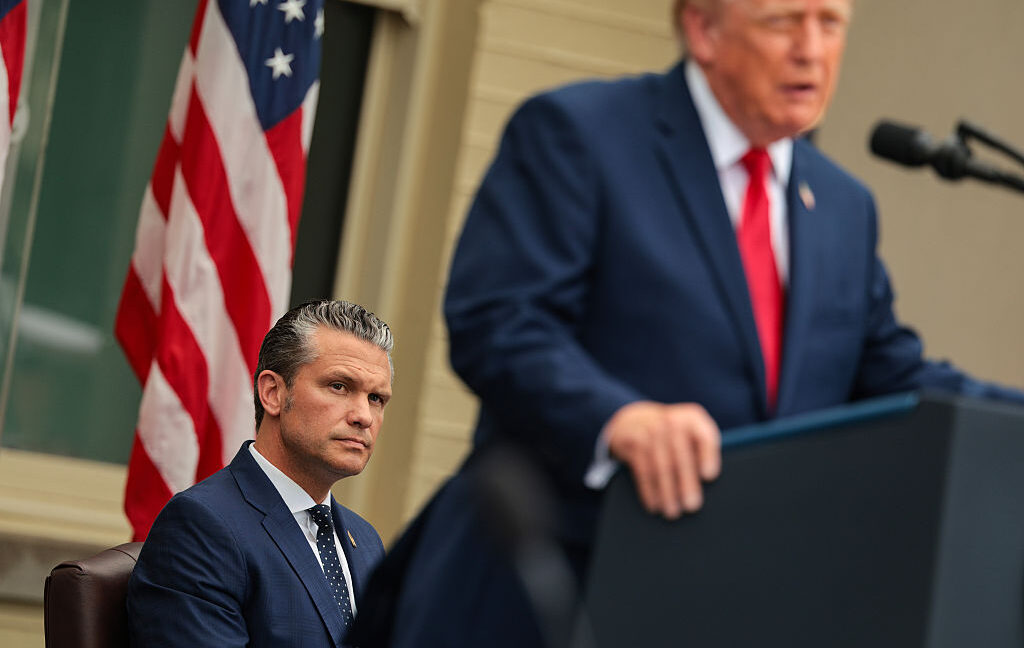
Image: Ars Technica · Source
President Trump has canceled the Pentagon's controversial initiative to livestream the execution by firing squad of Nidal Hasan, citing concerns over possible negative repercussions despite scheduling the execution to proceed.
In a notable development, President Donald Trump has rescinded the Pentagon’s contentious plan to livestream the execution of Nidal Hasan, a former military officer convicted for the 2009 Fort Hood mass shooting. Hasan’s execution is set for December 3, but following widespread public opposition and internal concerns, the decision was made to withhold public broadcast of the event.
The cancellation came after a drastic public backlash that cut across political lines. An ABC News poll conducted the morning of the announcement reported that 80 percent of Americans opposed the livestream, including a majority of 55 percent of MAGA Republican voters. The livestream was initially promoted by Defense Secretary Pete Hegseth during an interview with right-wing podcaster Jack Posobiec, with the intent to publicly demonstrate the serious consequences of terror attacks.
Sources close to the administration told CNN that President Trump felt blindsided by Hegseth’s announcement and was concerned about the potential negative image and anti-American propaganda that might arise from broadcasting the execution. Trump also reportedly expressed surprise upon learning that Hasan is paralyzed from the waist down, a factor that contributed to reevaluating the livestream decision.
Military and government officials voiced ethical objections to televising the execution. One Army officer who served multiple deployments shared the view that broadcasting a firing squad execution involving a disabled individual would cause "irreparable generational harm" and contradict fundamental American values.
While the execution will go forward as scheduled, live viewing will be restricted to families of victims rather than the general public. Trump stated that although livestreaming could serve as a deterrent by showing the world America’s stance on terrorism, many concerned citizens do not wish to witness such an event firsthand.
Additional concerns centered on the risks the livestream would pose for active military personnel. There were apprehensions that revealing the identities of soldiers participating in the firing squad could compromise their anonymity and safety. Furthermore, logistical challenges were noted since mainstream social media platforms and broadcasters typically prohibit graphic violent content, raising questions about where and how the event could be streamed.
Vice President J.D. Vance, influential in the decision-making process, also publicly stated that he would not watch the execution if it were streamed. Ultimately, Trump underscored that he held the final authority over the broadcast decision, overriding earlier Pentagon plans.
The cancellation underscores the complexities in balancing transparency, public sentiment, and ethical considerations surrounding military justice and capital punishment in the digital age. Hasan’s execution will mark the first U.S. military execution since World War II, but without the widespread livestreaming once contemplated by the Pentagon.

Sources and original reporting
Read the original source ↗
Comments (0)
No comments yet. Start the discussion.
Write a comment
Comments are published after moderation. Your name and comment will be visible publicly. Account