
New Biography Explores the Real-Life Scottish Surgeon Who Inspired Sherlock Holmes
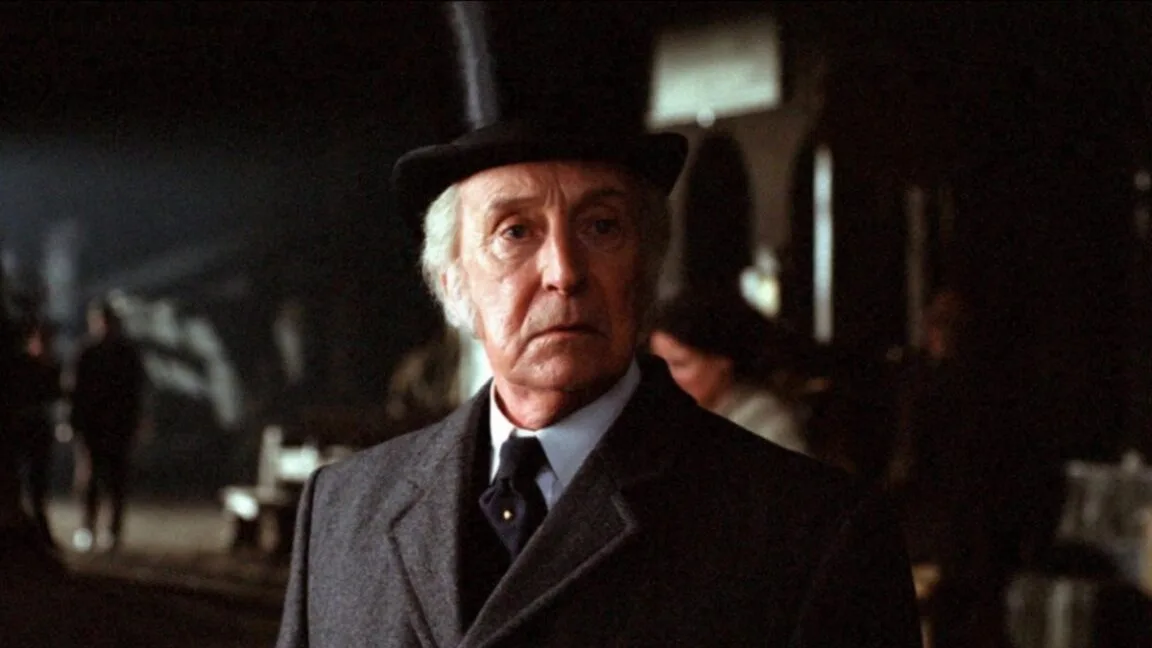
Image: Ars Technica · Source
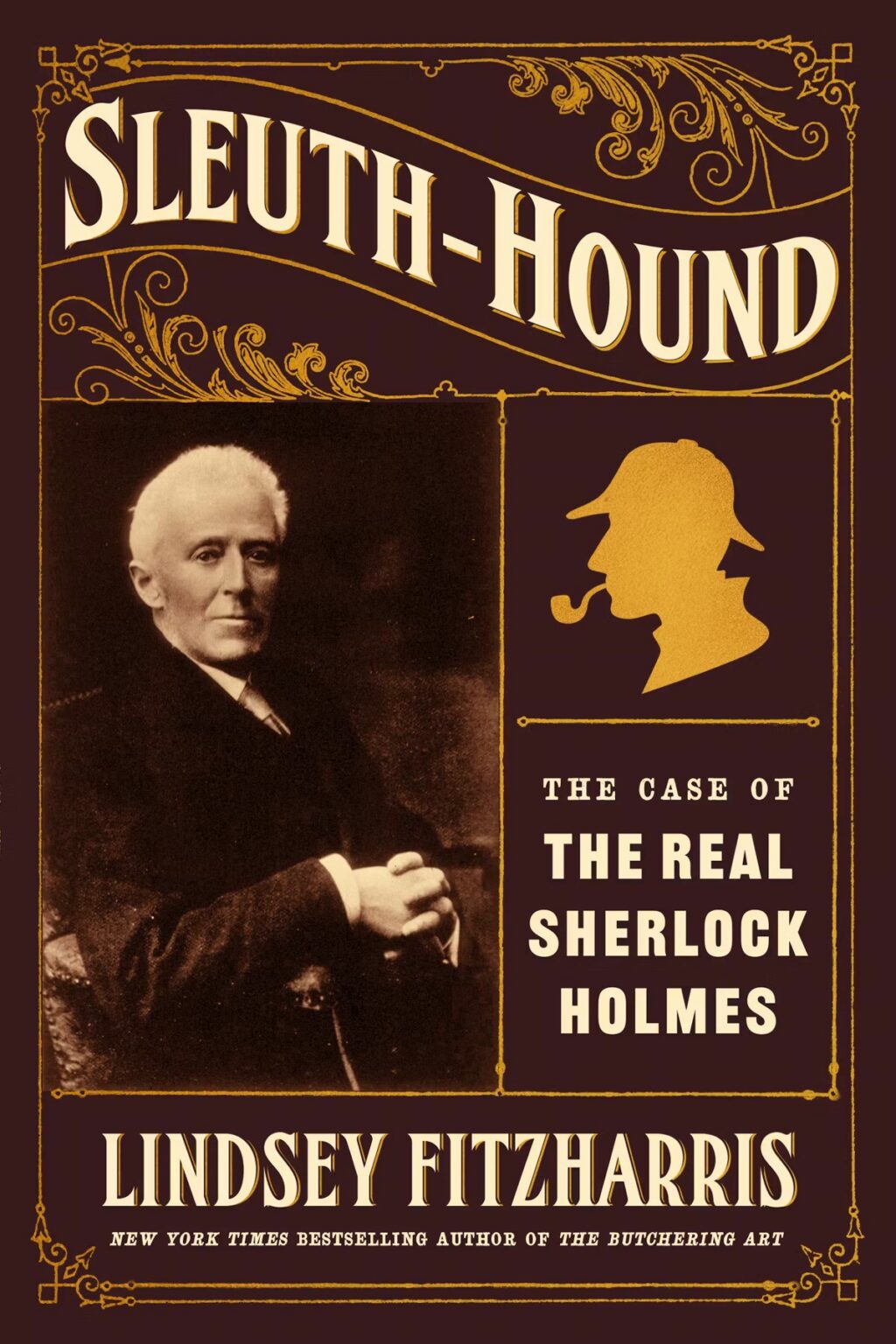
Medical historian Lindsey Fitzharris reveals the life of Joseph Bell, whose diagnostic methods inspired Conan Doyle's Sherlock Holmes, in her book Sleuth-Hound.
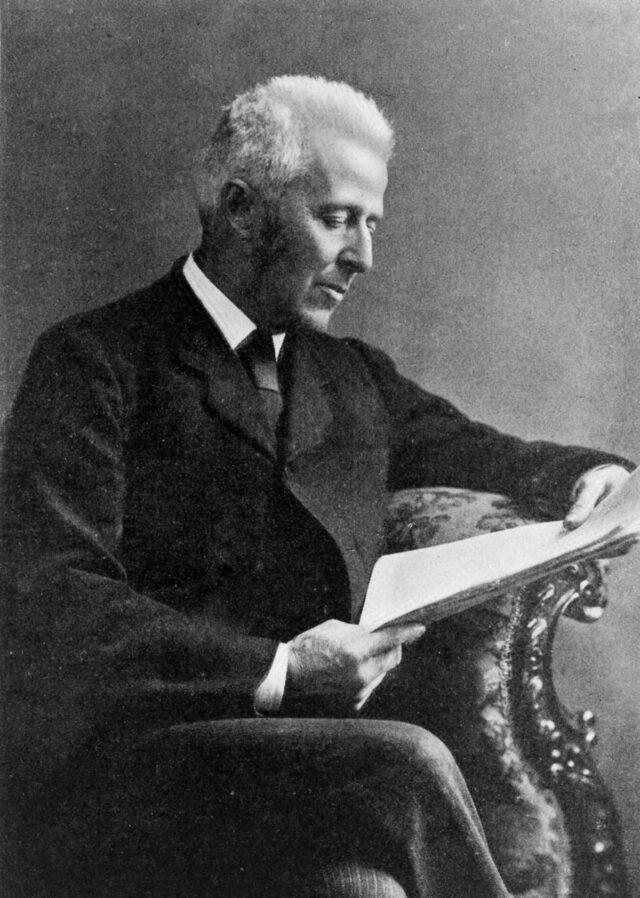
Sherlock Holmes, the iconic fictional detective created by Sir Arthur Conan Doyle, was inspired by a real person: Joseph Bell, a renowned surgeon at the University of Edinburgh. This connection forms the centerpiece of a new biography, Sleuth-Hound: The Case of the Real Sherlock Holmes, authored by medical historian Lindsey Fitzharris. Fitzharris, known for her accessible medical histories, delves into Bell's pioneering forensic work and complex personality, going beyond his role as a mere inspiration for Doyle’s detective.
Bell was famed for his extraordinary observational skills, diagnosing patients by scrutinizing subtle physical clues such as callouses, stains, or even the type of clay on their boots. These skills echo the deductive methods attributed to Sherlock Holmes. However, Fitzharris emphasizes Bell’s empathetic nature and dedication to family, traits the fictional Holmes lacks. For instance, Bell raised three children alone after his wife died in childbirth, showing a personal depth not reflected in the literary detective.
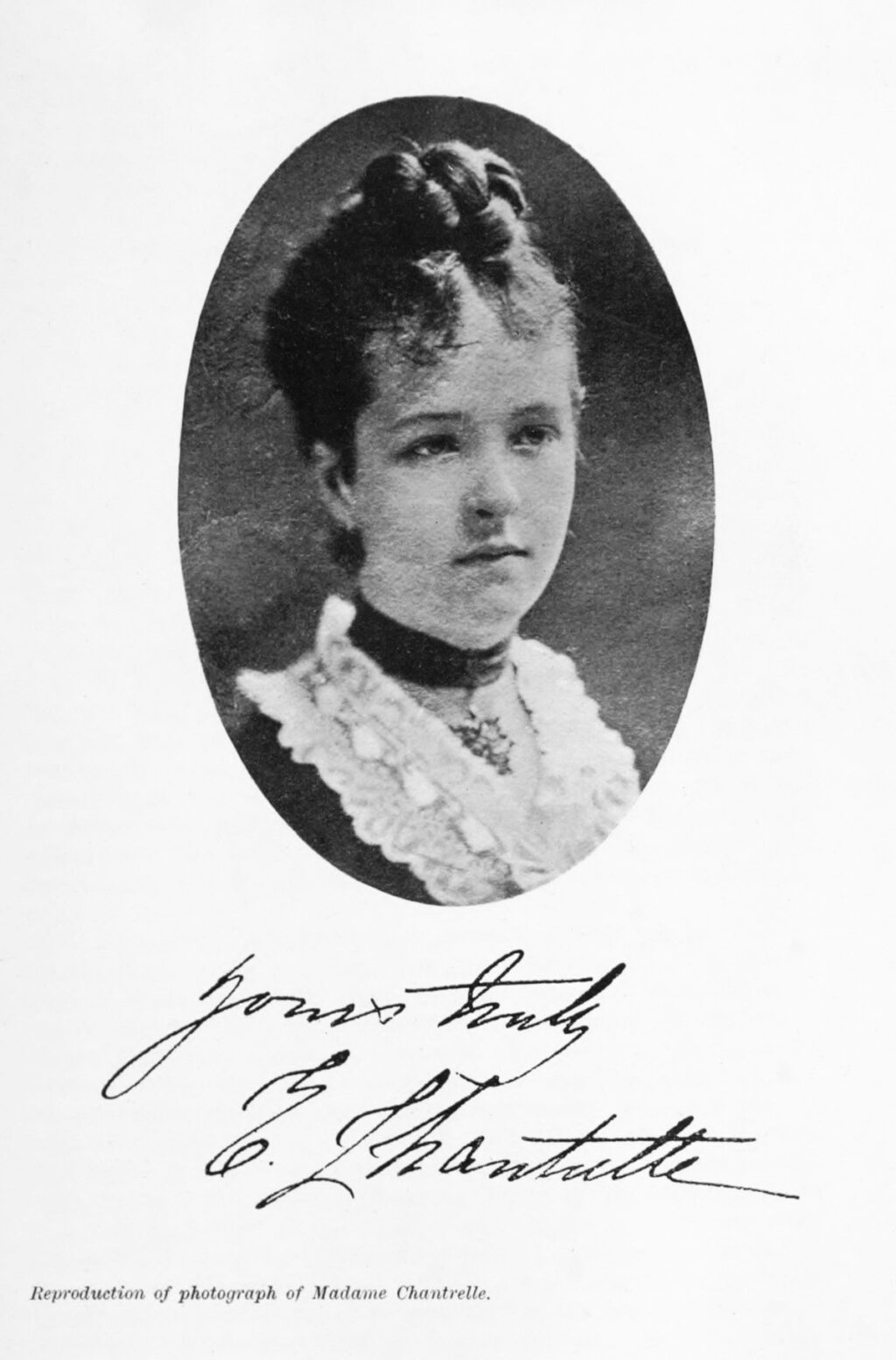
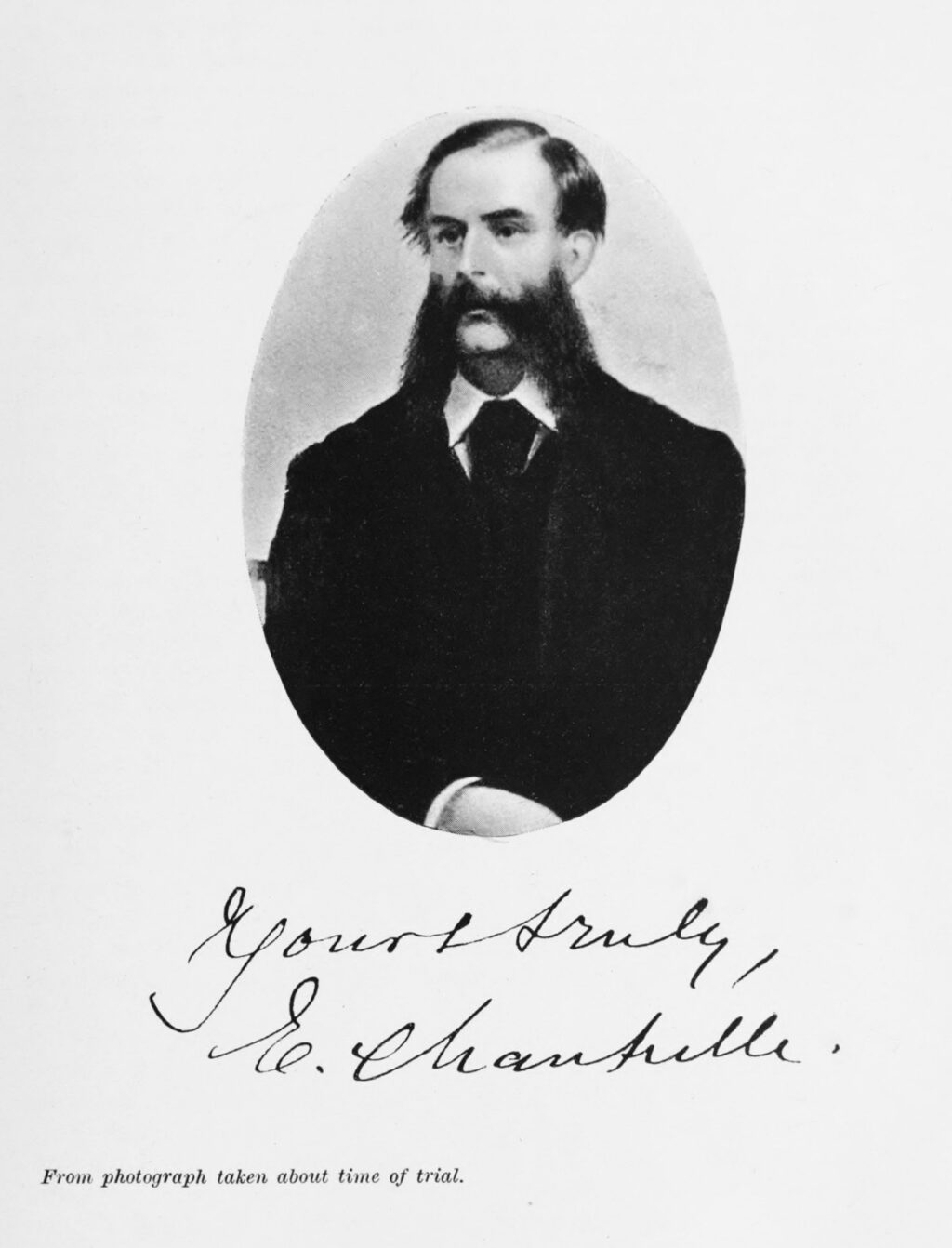
Fitzharris also highlights Bell's collaboration with Henry Duncan Littlejohn, a police surgeon who was a pioneer in forensic techniques like fingerprinting and courtroom photography. Together, they investigated high-profile 19th-century Scottish murder cases, such as those involving baby farming—where impoverished mothers left children with caretakers who sometimes murdered the infants—and the mysterious death of Lizzie Chantrelle, connected to opium poisoning. These cases illustrate the grim origins of forensic medicine where the brutalized bodies of victims informed early investigative science.
The book benefits from new access to Bell’s diary, locked away for more than a century, as well as detailed court records and contemporaneous letters. Fitzharris explores the interplay between Bell’s real-life work and Conan Doyle’s literary creation, questioning whether Holmes would have taken the form he did if Doyle had known Bell beyond his clinical brilliance.
Sleuth-Hound is written to be accessible to readers unfamiliar with Sherlock Holmes lore or medical history, providing a narrative that connects historical forensic medicine to modern medical advances. Fitzharris, a cancer survivor, expresses optimism about medical progress while cautioning against complacency illustrated by recent declines in vaccine uptake. Her work reminds readers that understanding the past can improve appreciation for the medical capabilities of today.
Through Sleuth-Hound, Lindsey Fitzharris paints a richly detailed portrait of Joseph Bell—not just as a model for a fictional detective, but as a pioneering figure whose forensic insights contributed significantly to the intersection of medicine and law in Victorian Scotland.


Sources and original reporting
Read the original source ↗
Comments (0)
No comments yet. Start the discussion.
Write a comment
Comments are published after moderation. Your name and comment will be visible publicly. Account