
Tesla Shifts Focus to Autonomous Driving Software as New Profit Engine
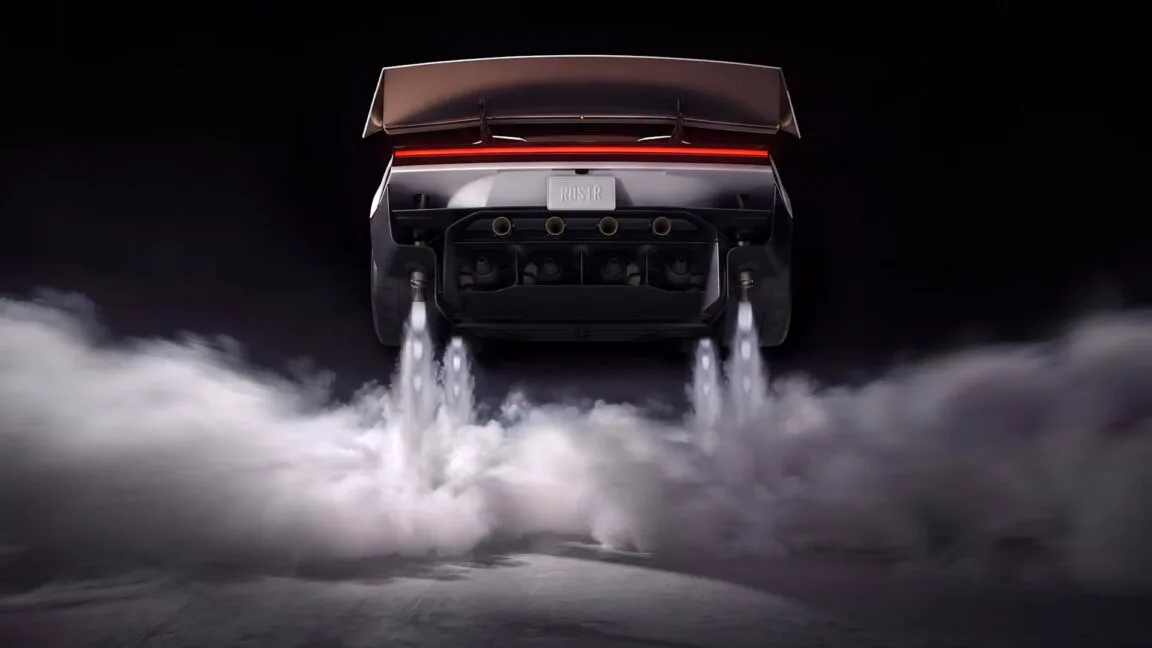
Image: Ars Technica · Source
Facing stiff EV competition, Tesla aims to boost margins through its Full Self-Driving software subscriptions, eyeing autonomy as the next growth frontier amid plans for a potential SpaceX merger to accelerate AI and manufacturing capabilities.
Tesla, historically known for its electric vehicles, is pivoting its business strategy toward autonomous driving software to drive future growth and improve profit margins. This strategic shift comes as Tesla has recently surrendered its position as the largest electric vehicle (EV) manufacturer to Chinese competitor BYD, amid intensifying competition and evolving market dynamics.
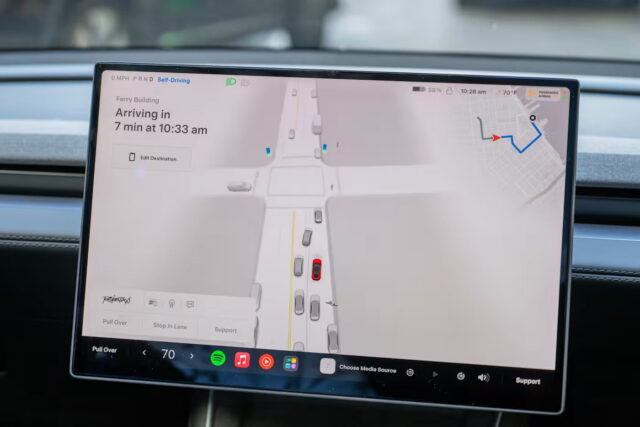
Despite its strong automotive sales foundation, which still accounts for around 75% of its revenue, Tesla’s leadership sees limited margins from vehicle sales alone. Instead, the company is doubling down on its software-based revenue from its Full Self-Driving (FSD) subscription service, which, even though it requires active driver supervision, is gaining traction globally with 1.7 million active subscribers—a 67% rise year-over-year.
Elon Musk claims Tesla’s FSD technology remains unmatched in the market, particularly in North America where over 75% of new Teslas are sold with FSD. The company plans to expand FSD adoption beyond the current 10-15% of its global customer base, potentially transforming the company’s financial model by capturing higher-margin software revenue, which analysts suggest garners greater market valuation than car sales alone.
However, regulatory hurdles persist, especially in gaining approval for fully autonomous operation in multiple jurisdictions. Tesla is actively seeking broader acceptance in the European Union, competing with Volkswagen-backed Chinese brand Xpeng, which is also pursuing EU certification for its own autonomous driving system.
A significant factor in Tesla’s future ambitions is the proposed merger with SpaceX, Musk’s aerospace company. This integration could synergize advancements in AI, materials science, and manufacturing processes between the two firms, enhancing Tesla’s competitiveness vis-à-vis Chinese EV makers and Big Tech rivals with larger AI budgets.
Industry observers note that Tesla’s pivot echoes a broader trend where traditional automakers are reevaluating their reliance on vehicle sales, targeting software subscriptions and AI-driven technologies for recurring revenue streams. Companies like BMW, Mercedes-Benz, GM, and Volvo are accelerating developments in driver assistance and autonomous technologies in response.
While this strategic shift positions Tesla at the forefront of next-generation mobility, it also carries risks. Some experts caution that merging Tesla’s and SpaceX’s futures tightly with Musk’s expansive ambitions could expose both companies to shared vulnerabilities, especially in the volatile AI sector.
Nevertheless, Tesla’s substantial backlog of vehicle orders and its pioneering work in autonomy continue to influence the automotive industry globally, underscoring a transition toward software-centric vehicle ecosystems and recurring revenue models in the race for automated driving leadership.
Sources and original reporting
Read the original source ↗
Comments (0)
No comments yet. Start the discussion.
Write a comment
Comments are published after moderation. Your name and comment will be visible publicly. Account