
US Space Force Targets New Spaceport by 2030 to Boost Launch Capacity
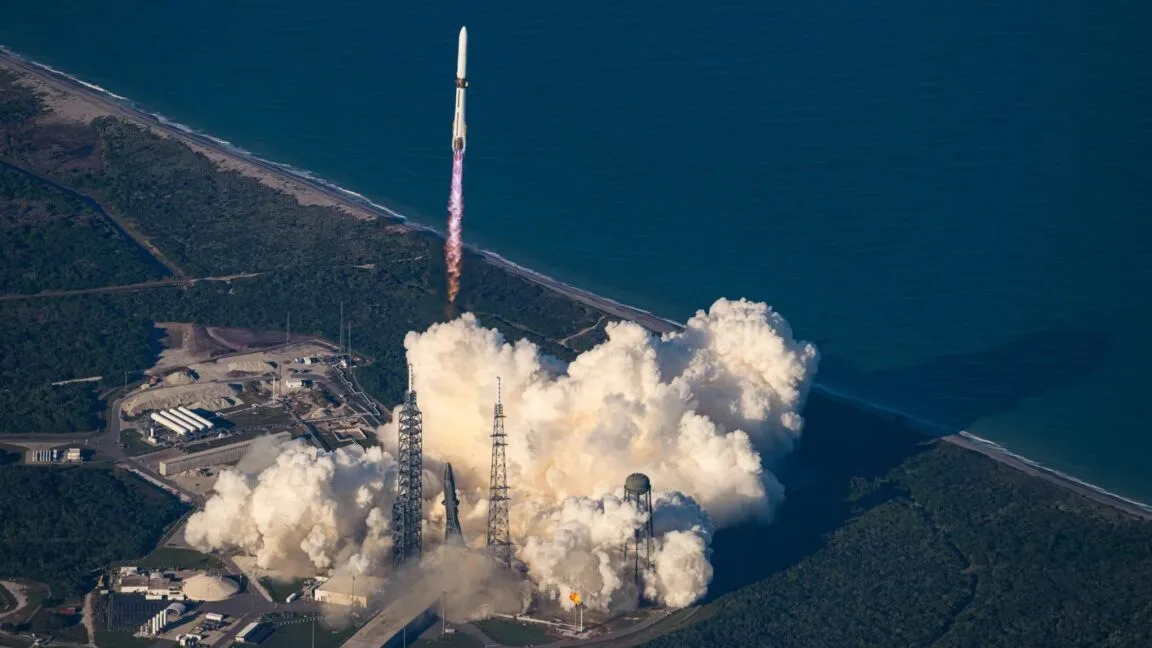
Image: Ars Technica · Source
The US Space Force aims to establish a third heavy-lift launch site by 2030 to expand launch capacity and enhance geographic resilience, considering public, private, and federal options for the new spaceport location.
The United States Space Force is planning to develop a new spaceport by 2030 to serve as a third heavy-lift launch site, addressing growing demand and easing the load on existing launch facilities in Florida and California. Current bases—Cape Canaveral Space Force Station and Kennedy Space Center in Florida, along with Vandenberg Space Force Base in California—have supported launches into orbit for nearly seven decades but are facing increasing operational pressure.
In a congressional hearing, Air Force Secretary Troy Meink highlighted the findings of a mandated study on Space Force launch infrastructure, which underscored the necessity of establishing another launch site capable of heavy and super-heavy lift launches. Lt. Gen. Philip Garrant, commander of Space Systems Command and responsible for military launch service procurement, described the timeline for developing the new facility as “aspirational,” acknowledging the complexity involved in the endeavor.
Selecting a location and acquiring land remain unresolved challenges. Garrant emphasized that the process will require strong partnerships with local and state governments and that no decision timeline has been set yet. The Space Force is evaluating multiple options: creating a new federal installation, utilizing state-owned land, partnering with commercial spaceports, or a combination thereof.
Commercial possibilities include launching from privately owned facilities such as the spaceport SpaceX intends to build in southern Louisiana. Public-private partnerships and leveraging commercial land represent viable paths, each with distinct advantages and disadvantages. The Space Force has not ruled out any potential avenues.
The urgency for an additional launch site stems from projections anticipating that existing spaceports will need to support up to 700 launches annually by 2036, a significant increase from the 175 orbital launch attempts recorded last year. Establishing a third site will not only distribute launch demand but also enhance geographic resiliency, reducing vulnerability to natural disasters or military threats that could compromise primary launch sites.
Currently, the federal government operates Wallops Flight Facility in Virginia for smaller suborbital and medium-class launches, while the Pacific Spaceport Complex in Alaska operates on state-owned land for small rockets. However, neither fully meets the heavy-lift needs that the Space Force envisions.
As space activities expand commercially and militarily, the Space Force’s pursuit of a new spaceport aims to ensure sustainable, secure, and resilient access to space, with decisions on the site and partnerships expected to develop as planning progresses beyond the initial aspirational stages.

Sources and original reporting
Read the original source ↗
Comments (0)
No comments yet. Start the discussion.
Write a comment
Comments are published after moderation. Your name and comment will be visible publicly. Account