
inDrive to Test Pony.ai Robotaxis in Kazakhstan in 2027 with Nvidia AI Support
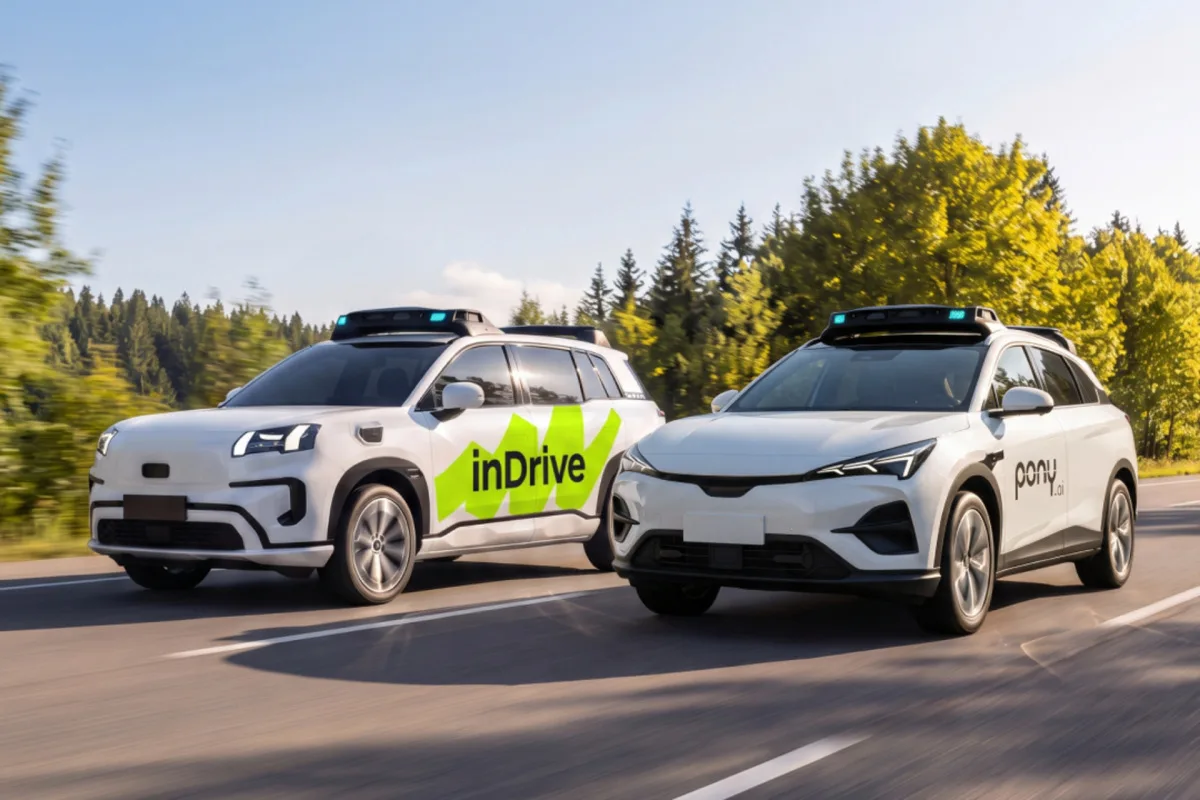
Image: TechCrunch · Source
inDrive will pilot Pony.ai's Gen-7 robotaxis in Astana during 2027, leveraging Nvidia's AI technology to explore affordable autonomous ride-hailing in Central Asia's challenging winter climate.
inDrive, a ride-hailing company recognized for its fare negotiation model, plans to begin testing autonomous robotaxi services in Kazakhstan's capital city, Astana, in the first half of 2027. This initiative is part of a new collaboration involving Chinese autonomous driving firm Pony.ai and Nvidia, announced following the signing of a memorandum of understanding to investigate integrating Pony.ai’s robotaxis into inDrive’s platform.
The tests will initially deploy Pony.ai’s Gen-7 robotaxis with safety operators on board, aiming ultimately for fully driverless operations. Nvidia will provide key AI components, including its Hyperion platform and Halos safety system, which are designed to offer a consolidated foundation of sensors and computing hardware to reduce the development costs of autonomous vehicles. Nvidia’s vice president of automotive, Ali Kani, emphasized that such cost efficiencies are vital for emerging markets, where ride-hailing services need to remain affordable while incorporating advanced autonomous technologies.
Kazakhstan, which recently issued regulations permitting autonomous vehicle testing on public roads and announced plans to launch autonomous taxi services in 2027, offers a unique environment for these trials. The city of Astana, with around 1.7 million residents and severe winter conditions marked by snow and ice, provides a rigorous testing ground for assessing the robustness of autonomous driving systems in harsh climates.
inDrive’s Chief Technology Officer, Yuri Misnik, described the company’s approach as "capital-light by design," emphasizing partnerships that combine expertise to improve customer experience without heavy upfront investment. This strategy aligns with inDrive’s broader expansion, as it operates in over 1,200 cities across 47 countries and diversifies its services beyond ride-hailing.
The partnership also signals Pony.ai’s continued international growth, aiming to operate over 3,500 robotaxis in more than 20 cities worldwide by the end of 2026. Meanwhile, inDrive is concurrently exploring robotaxi deployments in other regions, including a separate agreement signed with Saudi Arabia’s AI Driver to trial autonomous vehicles in Riyadh.
This venture into Central Asia highlights the increasing global interest and investment in autonomous mobility solutions outside traditional markets like the U.S. and China. Success in the challenging conditions of Astana could yield valuable insights for deploying robotaxis in similar environments worldwide. inDrive is looking for supportive regulatory climates to ensure safe and sustainable testing as it advances its autonomous vehicle initiatives.
Sources and original reporting
Read the original source ↗
Comments (0)
No comments yet. Start the discussion.
Write a comment
Comments are published after moderation. Your name and comment will be visible publicly. Account