
AI-Generated Game Clones Pressure Indie Developers Into Secrecy
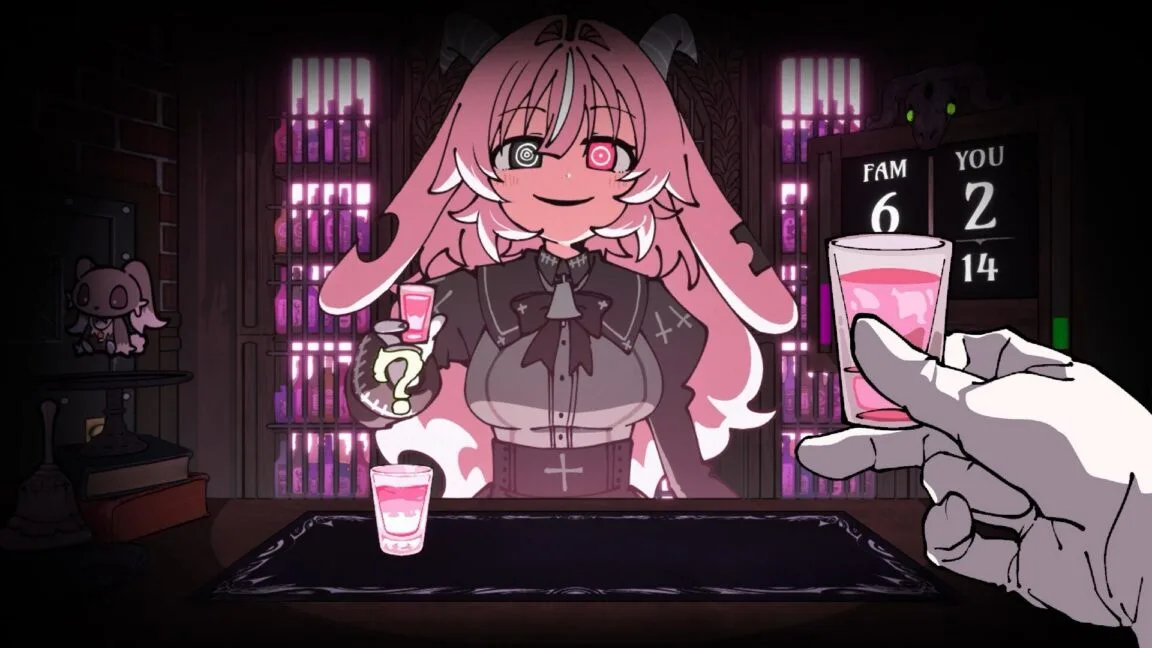
Image: Ars Technica · Source
Indie developers increasingly delay game demos due to fears AI tools will quickly clone and release their work, challenging traditional game promotion and originality.
The rise of AI coding tools has intensified longstanding issues for indie game developers concerning cloning and intellectual property. Traditionally, the video game industry has seen developers create games inspired by or cloned from competitors, with varying degrees of enforcement on originality. However, the efficiency of AI in rapidly replicating gameplay and presentation has made many indie developers wary of sharing early versions of their projects openly.
Alliance Arts, a developer working on the demon-themed Russian Roulette drinking game Drunken Goddess Reflux, recently postponed the public demo originally planned for Steam Next Fest to mitigate risks of AI-based cloning. They expressed concerns that releasing the demo widely could enable quick imitation or replication of their game's unique features before the official launch. Instead, Alliance Arts now plans to showcase the demo in controlled sessions with strict rules on streaming and sharing.
This caution echoes broader industry sentiment. Lucas Pope, known for Papers, Please, remarked that fear of AI 'slurping' ideas discourages developers from discussing their works in progress openly, due to potential copying. Several indie creators have reported real cases where AI-generated clones of their innovative game mechanics appeared online rapidly, sometimes even before their originals were launched.
A notable incident involved developer Freya Holmér, who shared a prototype of a Tetris variant centered on a rotating pivot. Shortly after, AI-generated imitations spread that preempted her official release. Holmér described this as discouraging progress sharing and equated many clones to 'slop ghouls' lacking originality. Sos Sosowski, developer of McPixel, highlighted the dilemma indie developers face: sharing work is necessary for sales but increases vulnerability to theft, posing a survival threat in the current development landscape.
Debates about what constitutes original creation versus imitation persist. Some users producing clones believe derivative works fall within normal creative bounds, comparing game mechanics to longstanding concepts like Blox or Jenga sharing lineage with Tetris. Others argue that authentic, soulfully developed games with complex design are more resilient against superficial AI knockoffs.
Despite the challenges, Holmér noted that while initial waves of AI clones once overwhelmed her, decreased engagement with such copies now allows more time to develop high-quality, polished games that reflect her vision rather than rushing to market. The evolving tension between AI-generated cloning and indie creativity continues to reshape how developers balance sharing progress and protecting originality in the gaming community.

Sources and original reporting
Read the original source ↗
Comments (0)
No comments yet. Start the discussion.
Write a comment
Comments are published after moderation. Your name and comment will be visible publicly. Account