
Googlebooks Review: Android on Laptops Shows Promise but Faces Major Challenges
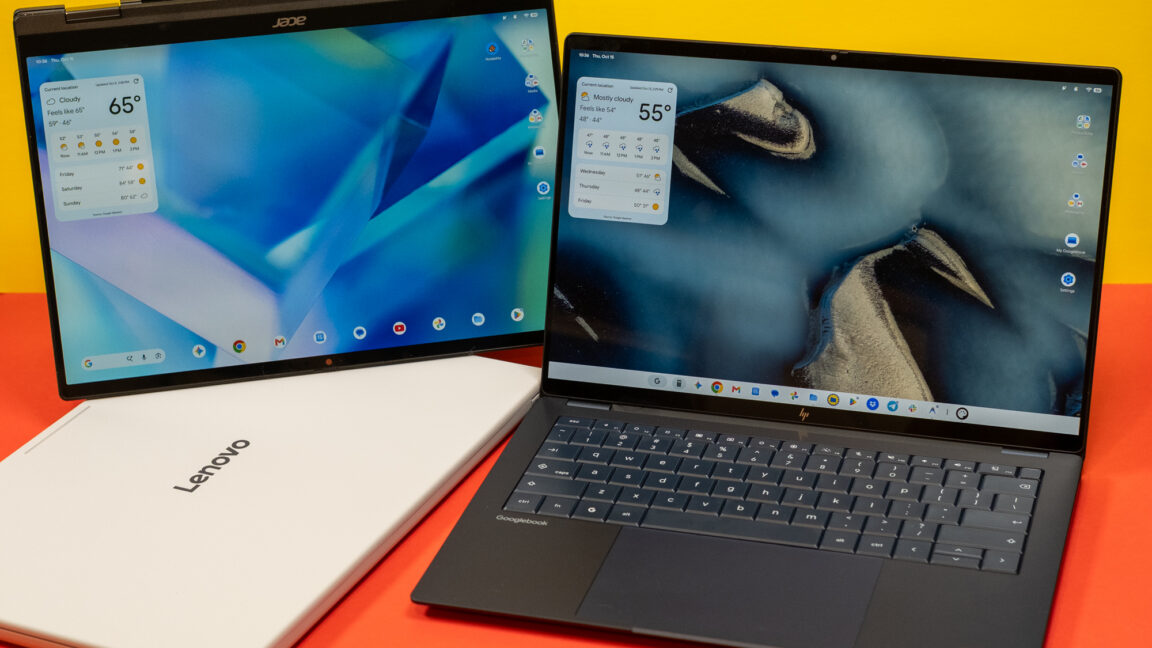
Image: Ars Technica · Source
Google's new Android-based laptops, Googlebooks, offer premium hardware and deep Android phone integration but struggle with software limitations and app compatibility, leaving their premium PC ambitions uncertain.
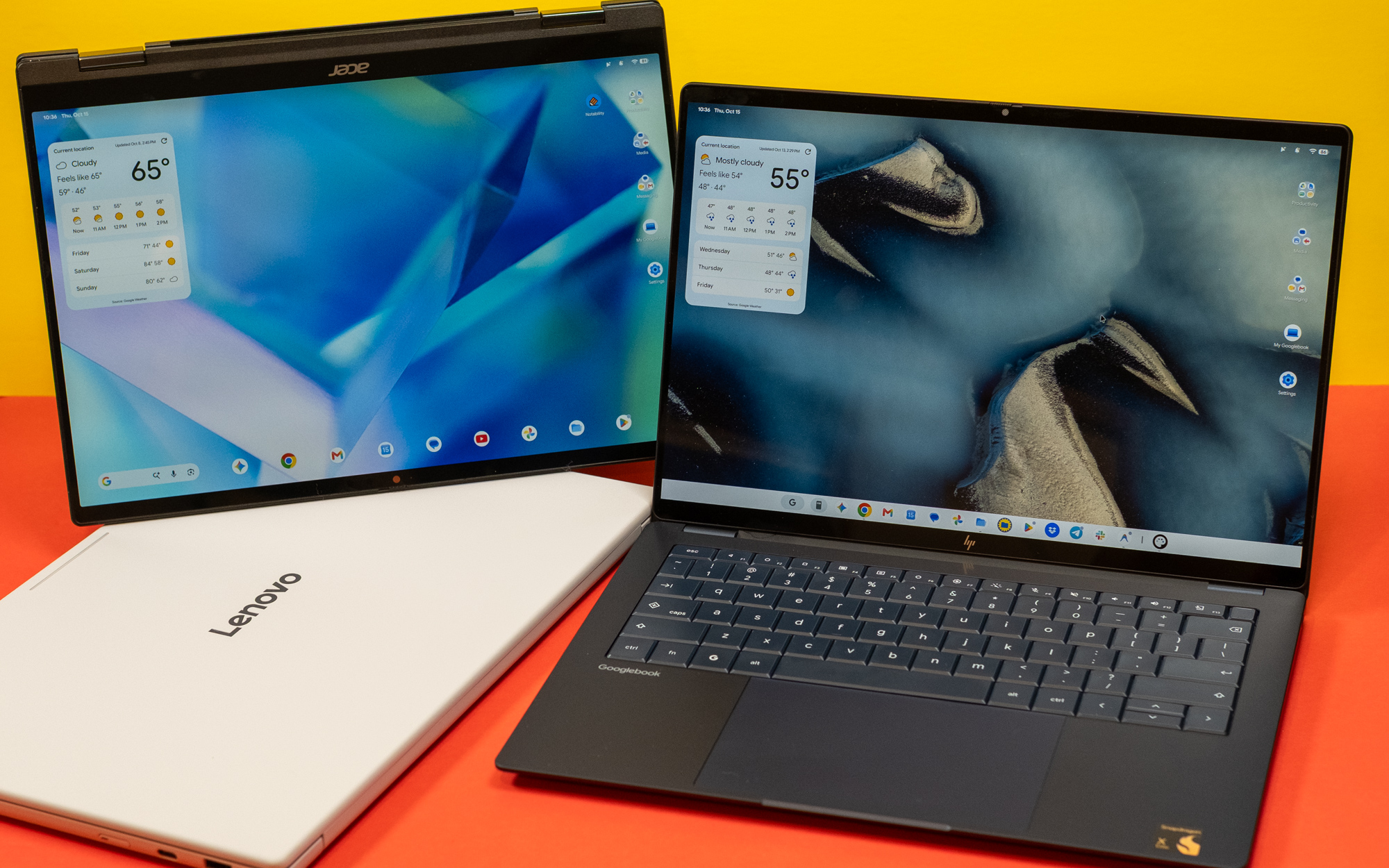
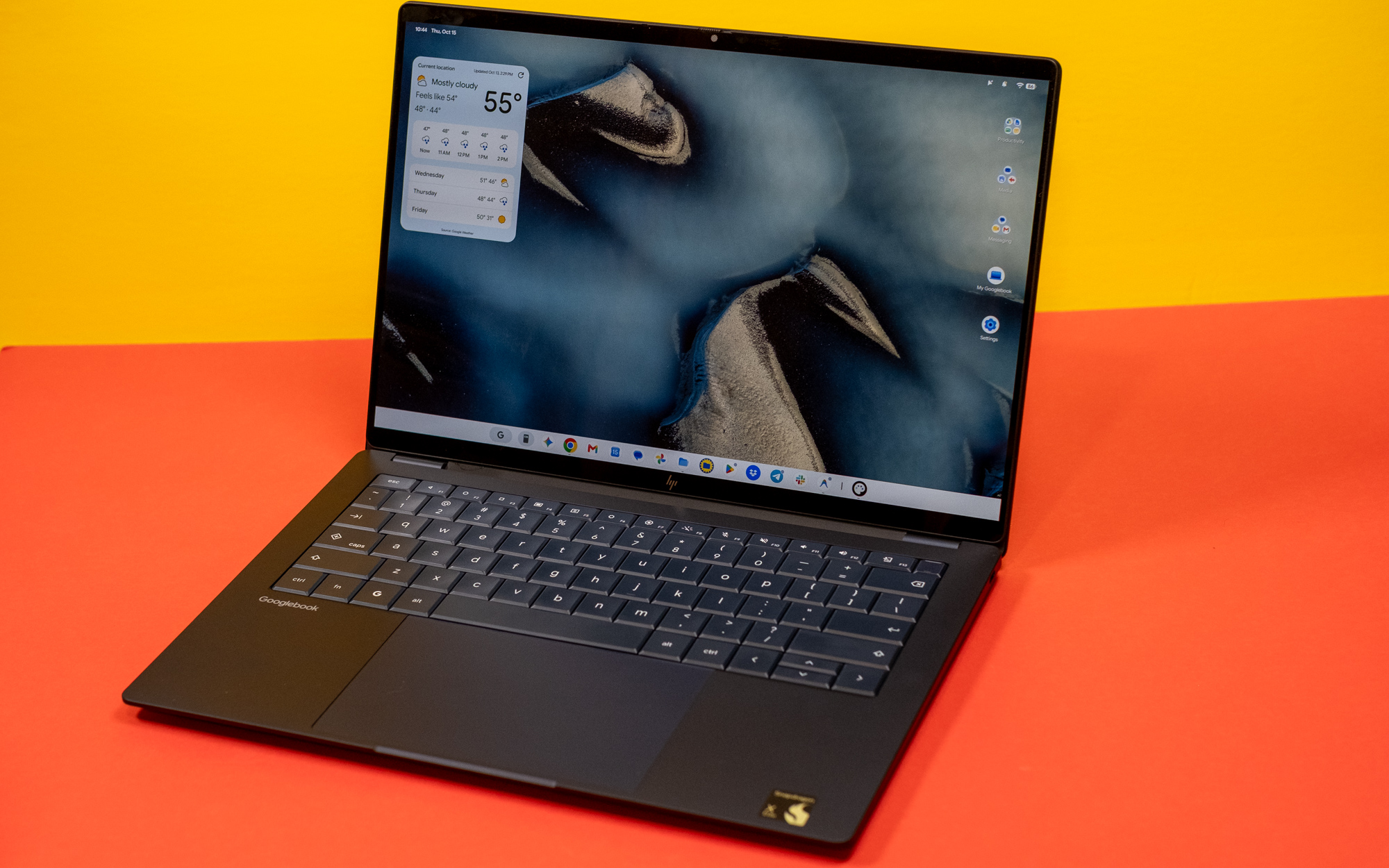
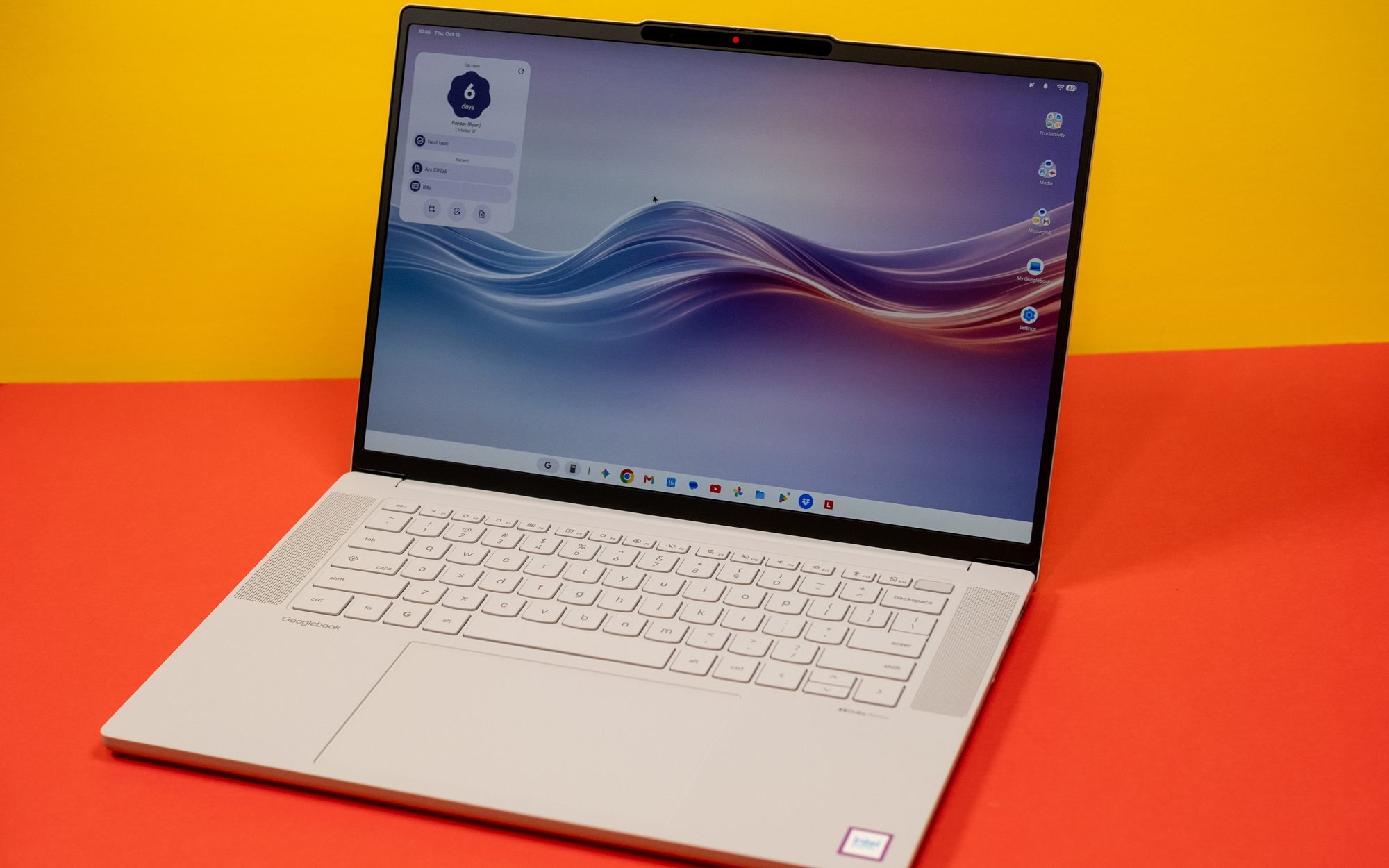
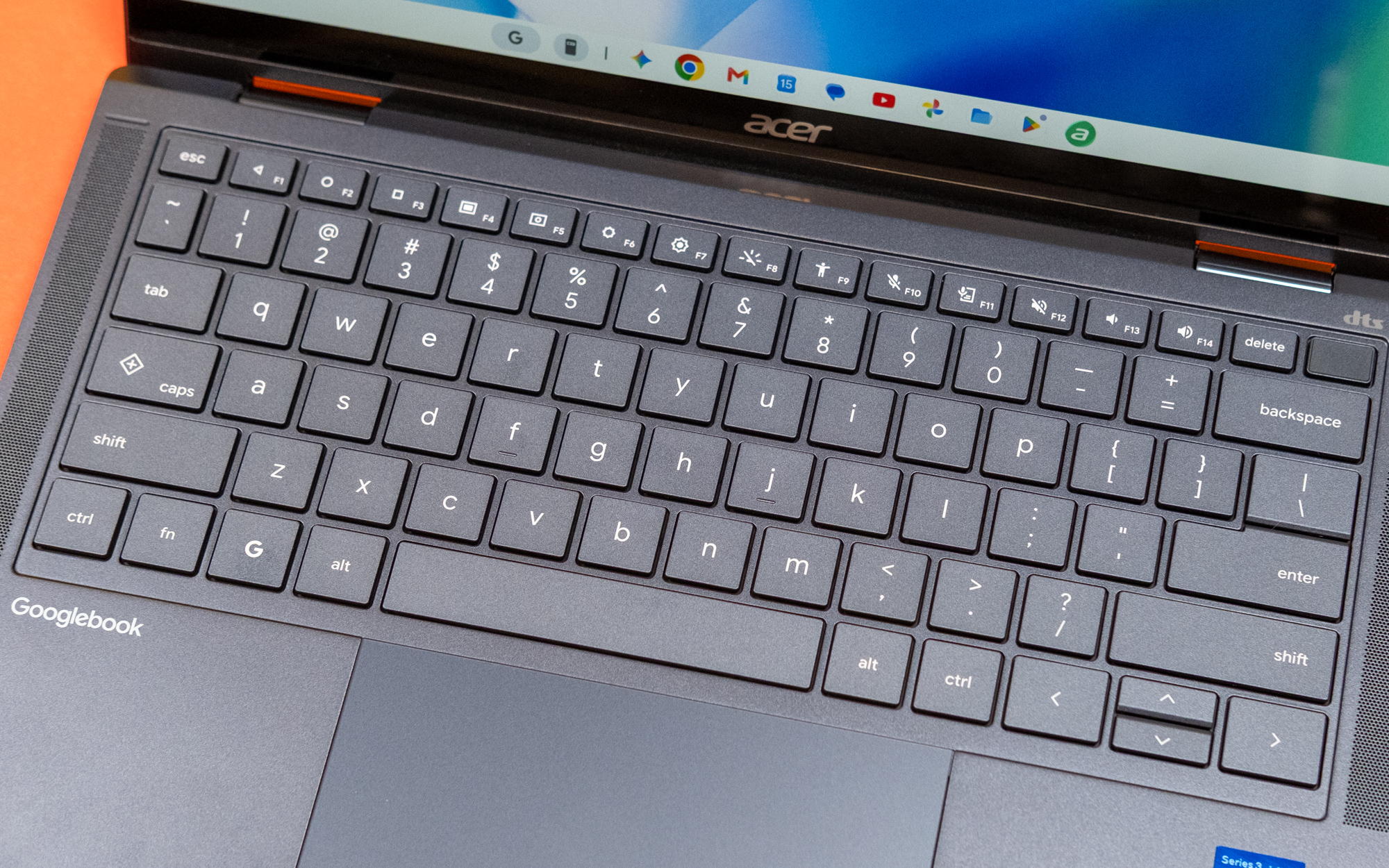
Google has launched a new line of laptops called Googlebooks that run a revamped version of Android, aiming to bridge the gap between mobile and traditional desktop experiences. According to a detailed review by Ars Technica, these devices feature premium hardware, including high-resolution OLED touchscreens, aluminum or magnesium bodies, biometric unlocks, and large trackpads with haptic feedback on higher-end models. The lineup includes options from multiple OEMs such as Acer, Asus, HP, Dell, and Lenovo, with prices generally starting around $900 and moving into the $1,100–$1,300 range.
Googlebooks run an operating system below the surface rooted in Android but revamped for laptop use, dubbed Googlebook OS. Setup is streamlined for Android users, especially those running Android 17 on their phones, enabling deep integration like file sharing, notification sync, app mirroring, and continuing workflows across devices. However, these features are currently buggy and limited—for example, file sharing is one-way, and app mirroring allows only a single app that must remain active in the foreground.
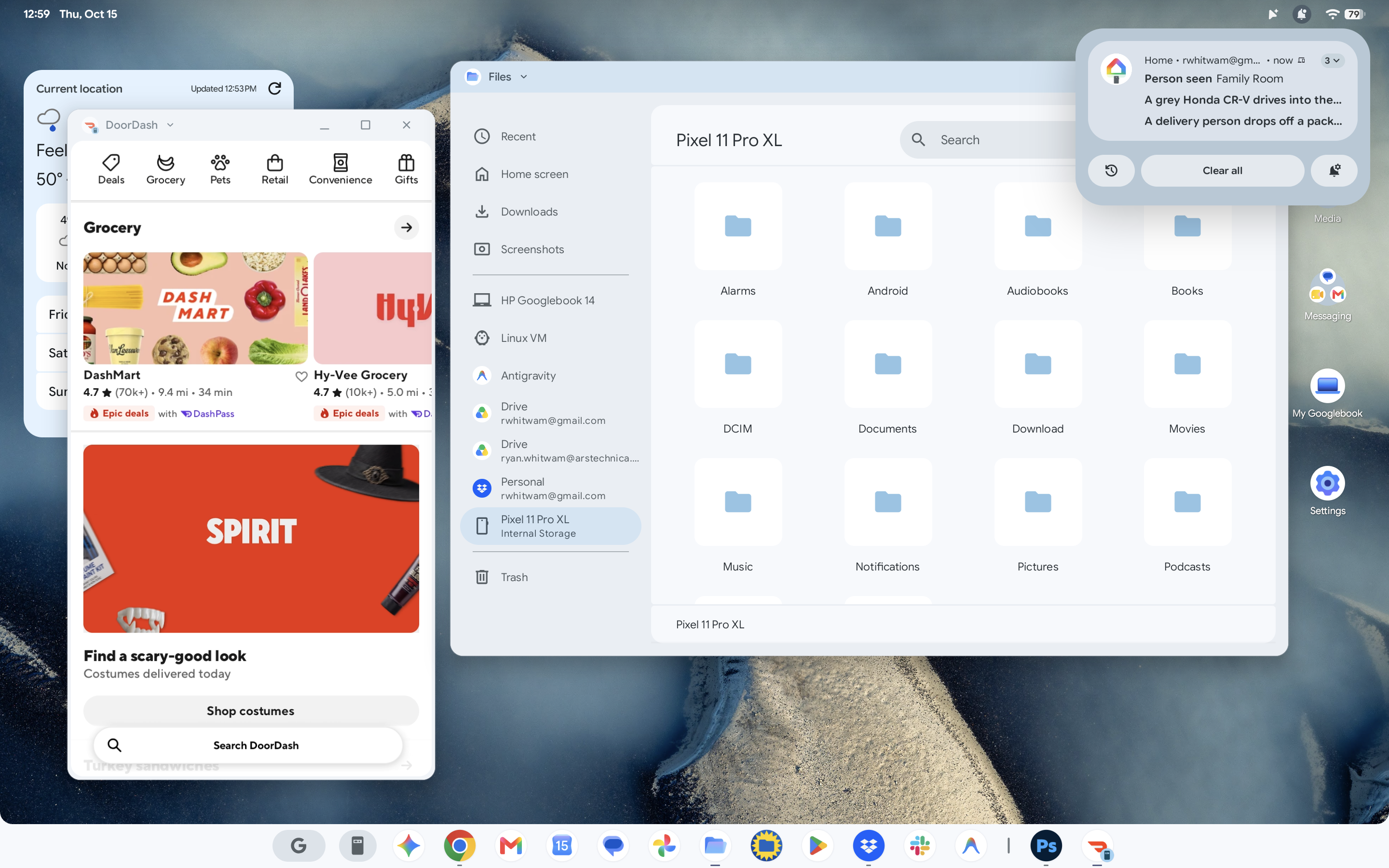
The biggest hurdles for Googlebooks are software related. While they provide native access to the vast Google Play Store, most Android apps remain phone-centric and poorly optimized for large screens or keyboards and mice. Many popular apps function better as web apps than Android apps on Googlebooks, with some essential tools lacking proper desktop-class capabilities. The built-in file manager lacks tabs and network share support, crucial features for desktop workflows.
AI features are integrated as well, including “Magic Pointer,” which lets users select screen content and feed it to Google’s Gemini AI for actions like translations or calendar entry creation. The voice-powered text input “Rambler” is included, and an AI-assisted development tool called Antigravity allows users to create their own apps. While innovative, these features face teething issues and are not yet transformative for productivity.
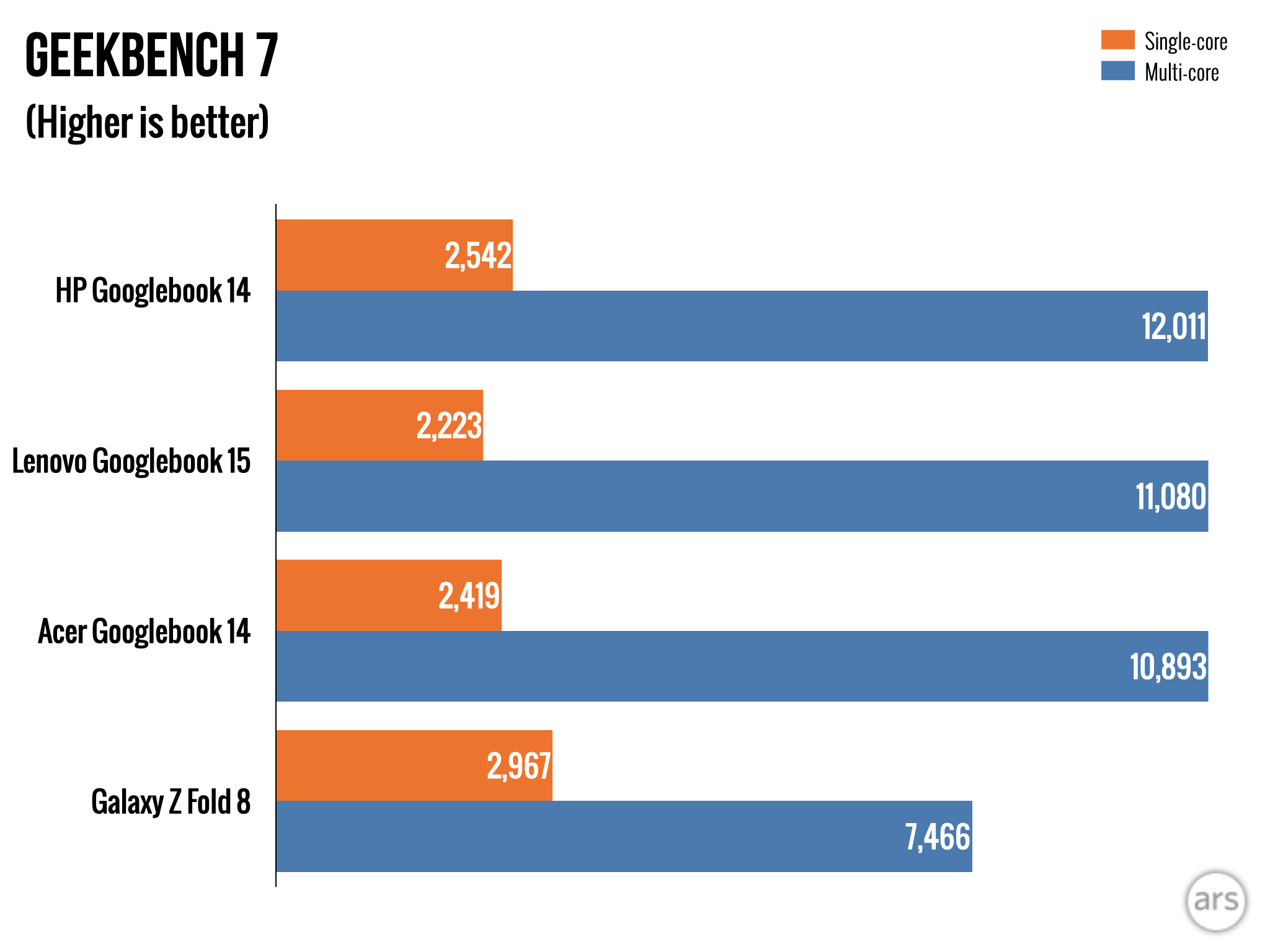
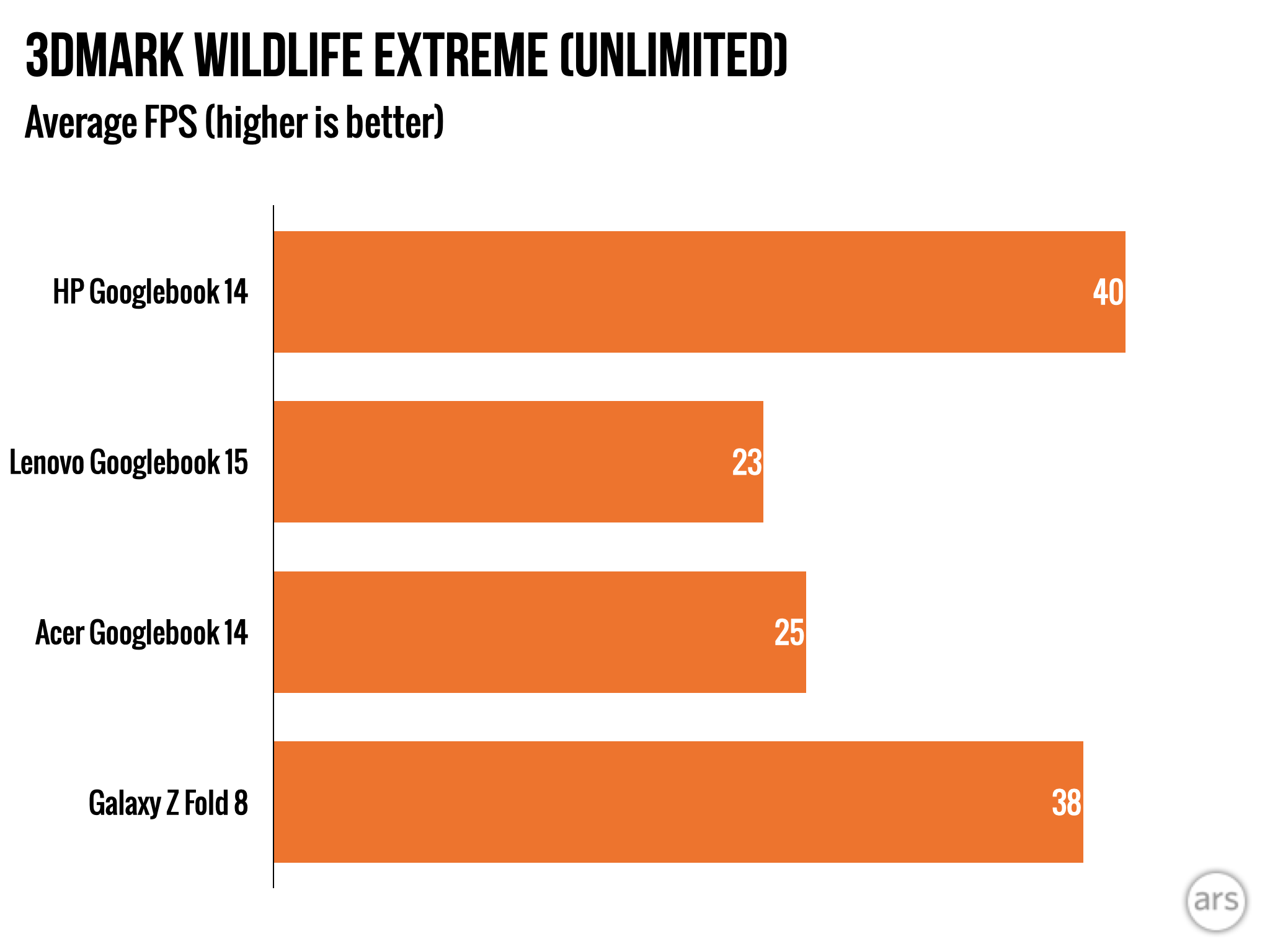
Googlebooks’ hardware is competitive with pricier Windows or Mac laptops, but software immaturity and the challenge of adapting Android apps for desktop use dampen the overall experience. Despite OEMs providing quality builds and desirable features, the review concludes that Googlebooks currently do not provide a compelling alternative to established macOS or Windows laptops. Their premium pricing contrasts with the relatively limited functionality and bugs in connectivity and app behavior.
In summary, Googlebooks mark a noteworthy attempt to expand Android into the premium laptop market, offering good hardware and promising Android phone integration. However, until Google and developers address the software and app ecosystem challenges, Googlebooks remain a niche product with limited appeal to general laptop buyers. The review suggests a long road ahead before Googlebooks can contend meaningfully with mature desktop platforms or Chromebooks, which still dominate much of Google’s hardware strategy.
Sources and original reporting
Read the original source ↗
Comments (0)
No comments yet. Start the discussion.
Write a comment
Comments are published after moderation. Your name and comment will be visible publicly. Account